
The Old Mouse: A Memory of Computer Enlightenment in Xinjiang
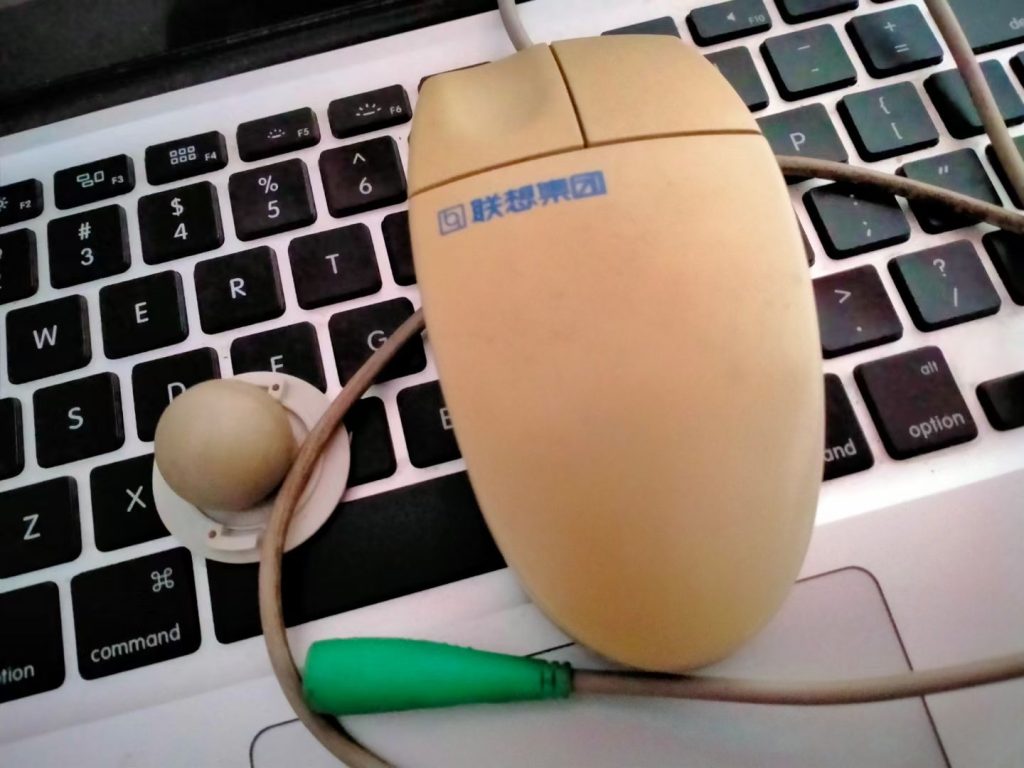
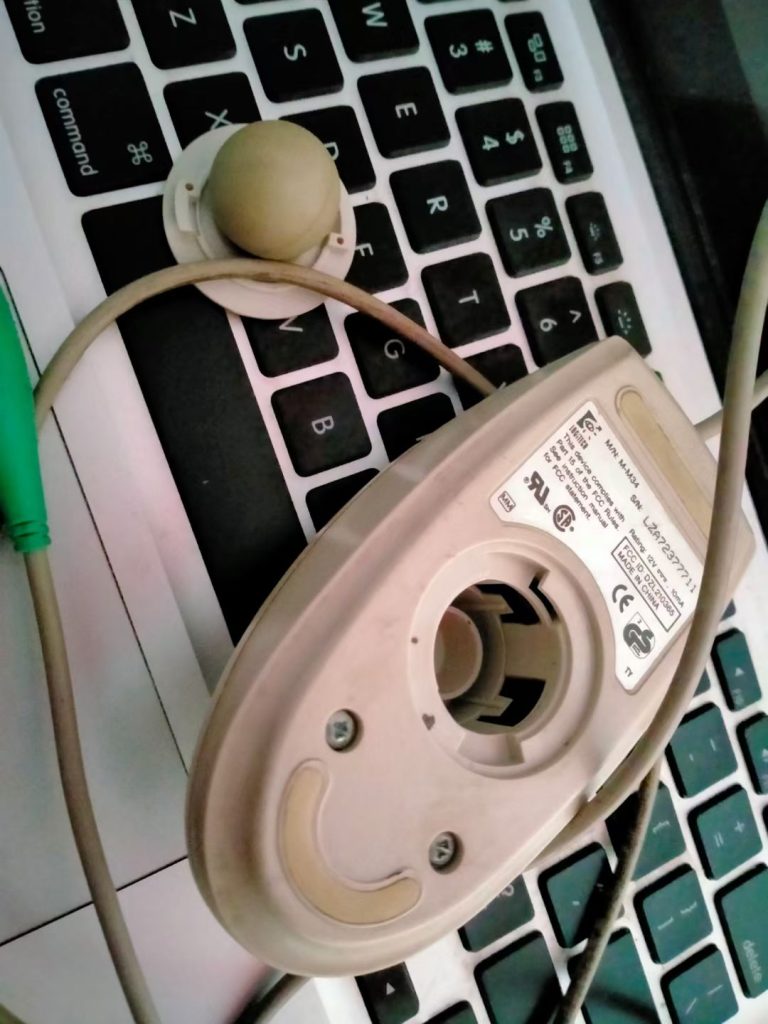
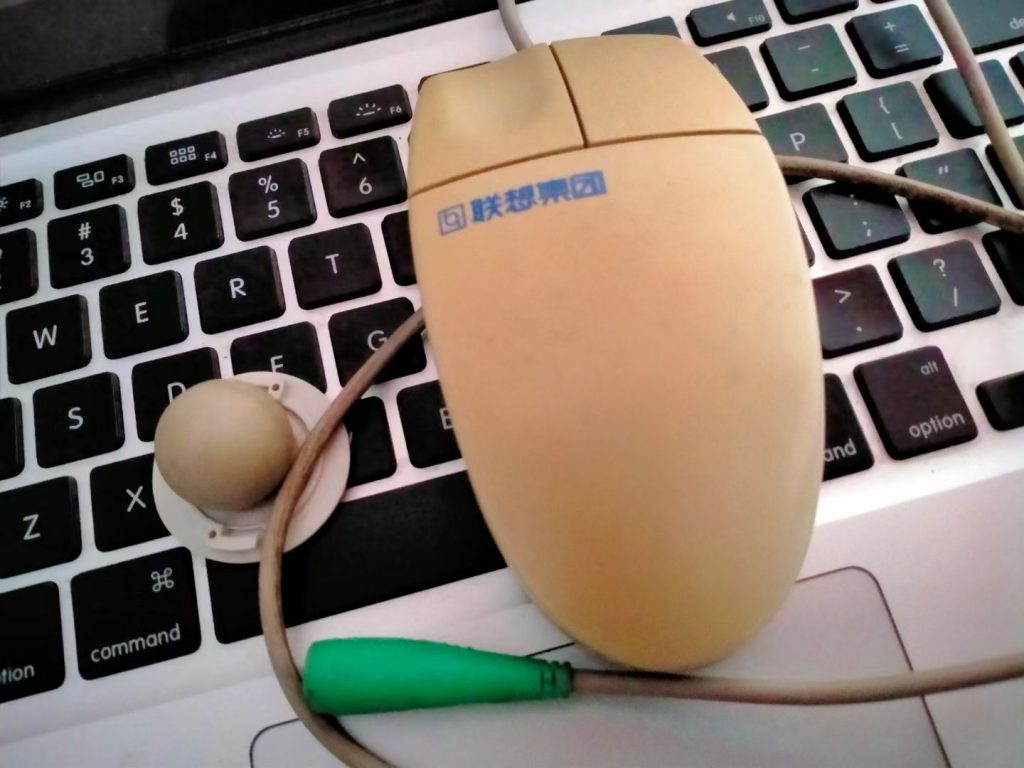
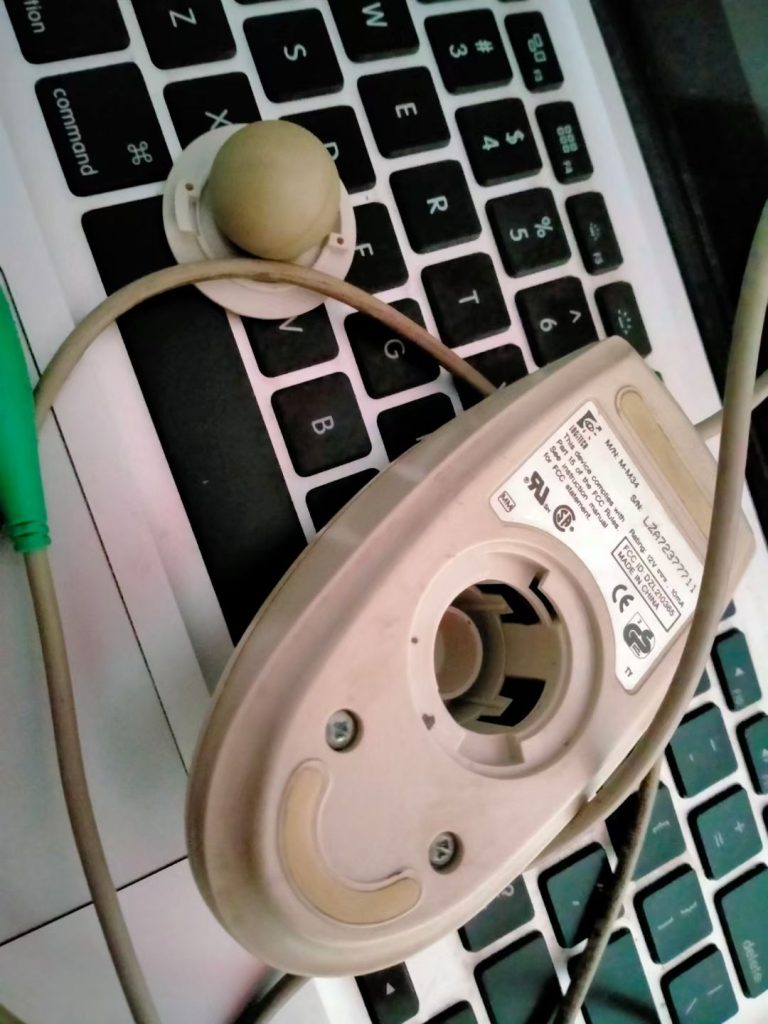
In 1998, in Kuibbage Town, Zepu County, Xinjiang, the wind and sand would occasionally sweep across the town’s streets, carrying the rough breath of the Gobi Desert. For me, mr aosiman tuohesun, the most precious memory of that year was neither the new leaves sprouting on the old poplar tree outside my door nor the lively hawking at the bazaar. It was an old mouse that accompanied me as I opened the door to the world of computers. It had no exquisite appearance, and even its brand logo was blurred, yet it has remained my most cherished “old friend” for more than two decades.
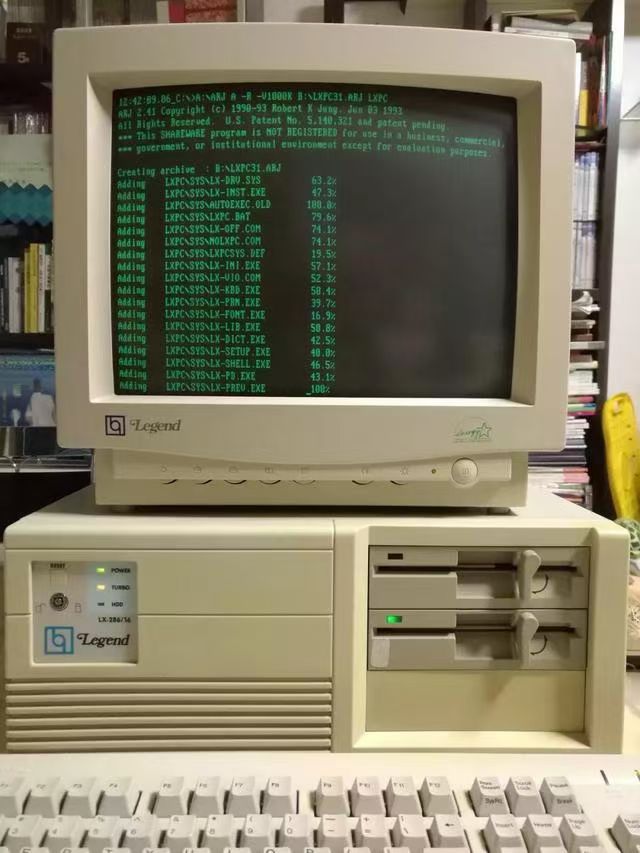
That year, two computer service centers—Ihram and Almas—had just opened in the town, which was undoubtedly a novelty in Kuibbage back then. Filled with curiosity about this unknown technology, I stepped into the computer service center and embarked on my journey of computer enlightenment. The computers of that era were far from being as lightweight and intelligent as they are today. What lay before me were desktop models of 286 and 386. Their bulky cases were like iron blocks, the monitors were CRT screens with flickering ripples, and every tap on the keyboard would trigger a low “buzz” from the main unit.
My computer learning began with the character-based MS-DOS system. Without a graphical user interface, everything had to be done by entering code commands. Commands like “dir”, “cd”, and “copy” are still clearly etched in my mind. Every time I input a command and waited for the character feedback to pop up on the screen, it felt like unlocking a brand-new secret. Later, we were introduced to the Windows 3.1 system. Its simple graphical interface was a revelation, and we could finally operate the computer by clicking icons with a mouse. It was at this moment that I held that old mouse for the first time. Its feel was somewhat rough, and it would occasionally stutter when moved, but when I clicked on the “My Computer” icon for the first time, the excitement in my heart was beyond words.
As my studies progressed, the Windows 95, Windows 98, and Windows 2000 systems successively became part of my learning life. The advent of Windows 95 refined computer graphical operations; the design of the Start menu and taskbar made computer operations much more convenient. Windows 98, with its more stable performance and richer features, became one of the most popular systems of its time. It was under this system that I drew my first digital painting using a simple drawing software. The arrival of the Windows 2000 system further allowed me to witness the rapid development of computer technology. Its multi-tasking capabilities and network functions opened my eyes to the infinite possibilities of the computer world.
During my days at the Ihram and Almas computer service centers, that old mouse was always by my side. It witnessed my growth from a complete novice with no knowledge of computers to a learner proficient in operating systems and entering simple code. Every time after class, I would carefully wipe it clean and put it back in the drawer of the computer desk. More than two decades have passed since then. The 286 and 386 computers of yesteryear have long been obsolete, and systems like MS-DOS and Windows 3.1 have become a thing of the past. The Ihram and Almas computer service centers may have also changed beyond recognition. But that old mouse, I have kept it safe all these years. It is not just an old object; it is a carrier of my precious 1998 computer learning memories, and the best testament to my encounter with technology in my youth.
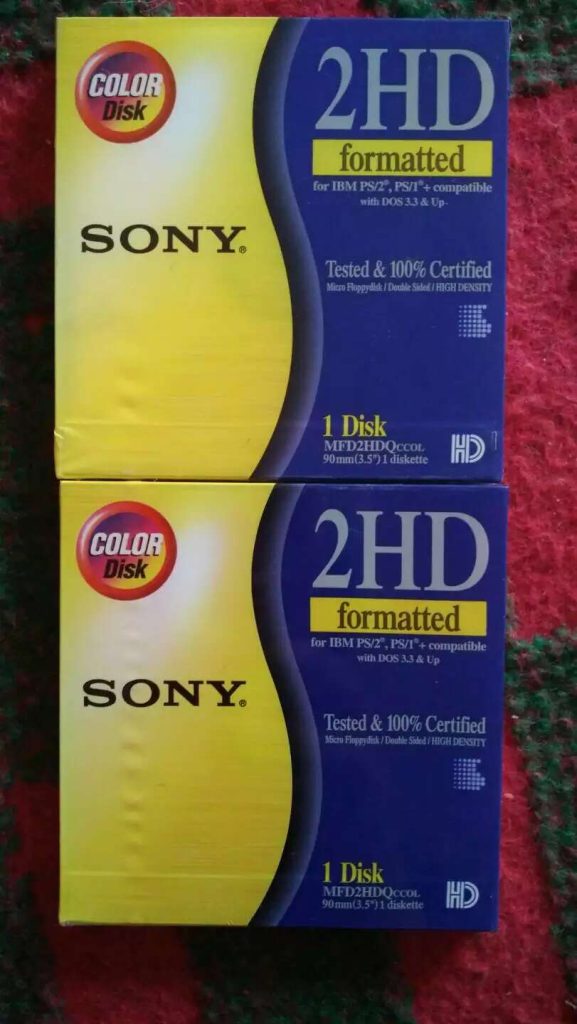
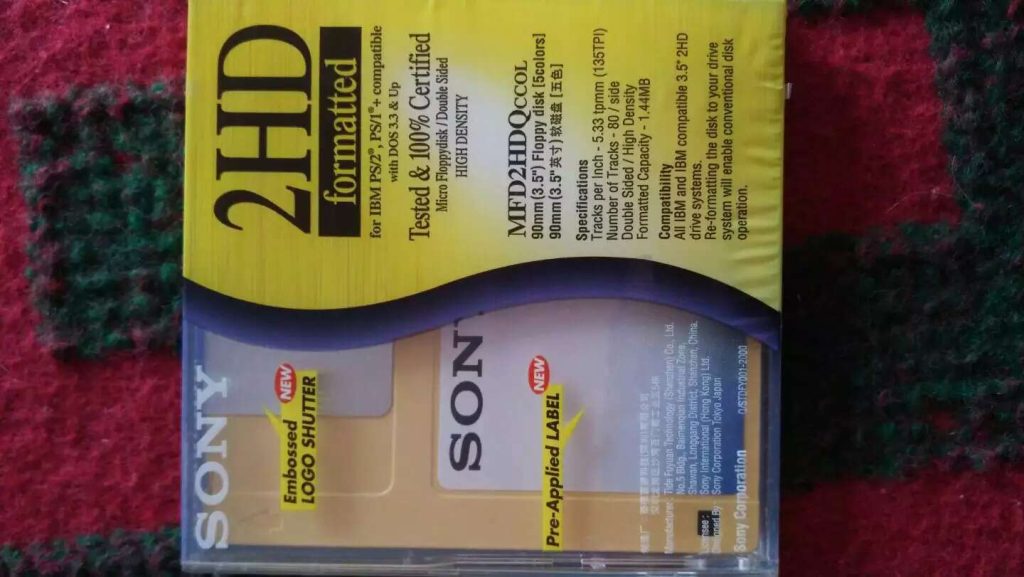
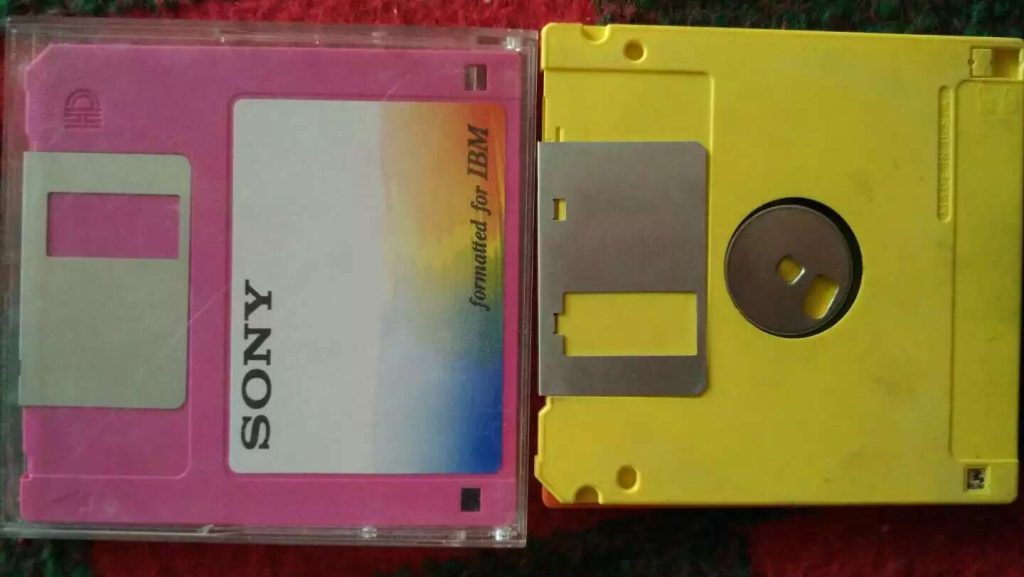
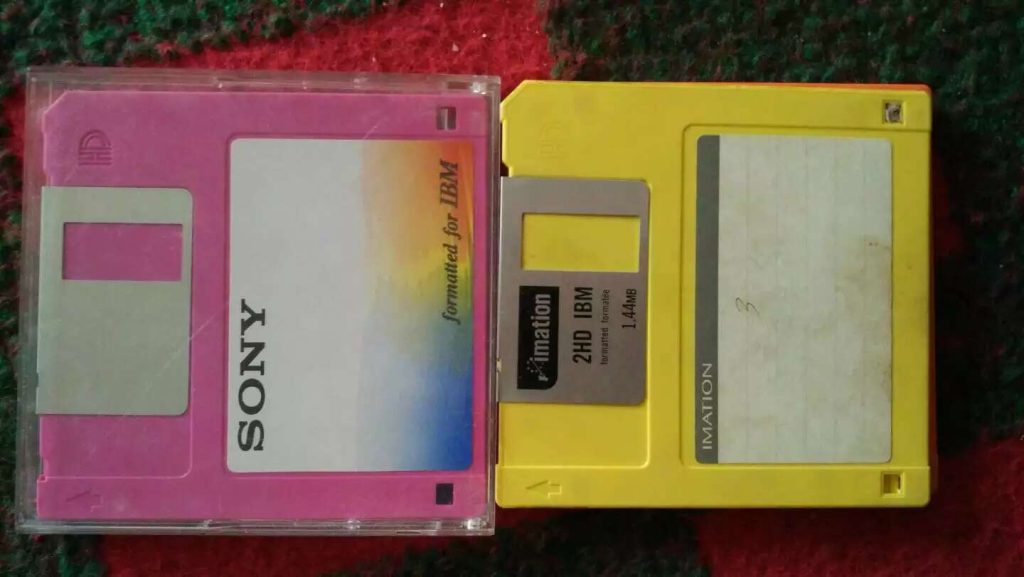
From 1998 to 1999, I was still using floppy disks, and the boxes of two floppy disks had not yet been opened.
At that time, floppy disks were the mainstay of computer storage. A 3.5-inch floppy disk could only store 1.44MB of content. It was difficult to play a song, let alone today’s pictures and documents.
If those two unopened floppy disk boxes were still there, they would probably have become old objects with traces of time. If they were opened, the floppy disks inside might be unreadable due to the aging of the magnetic media.