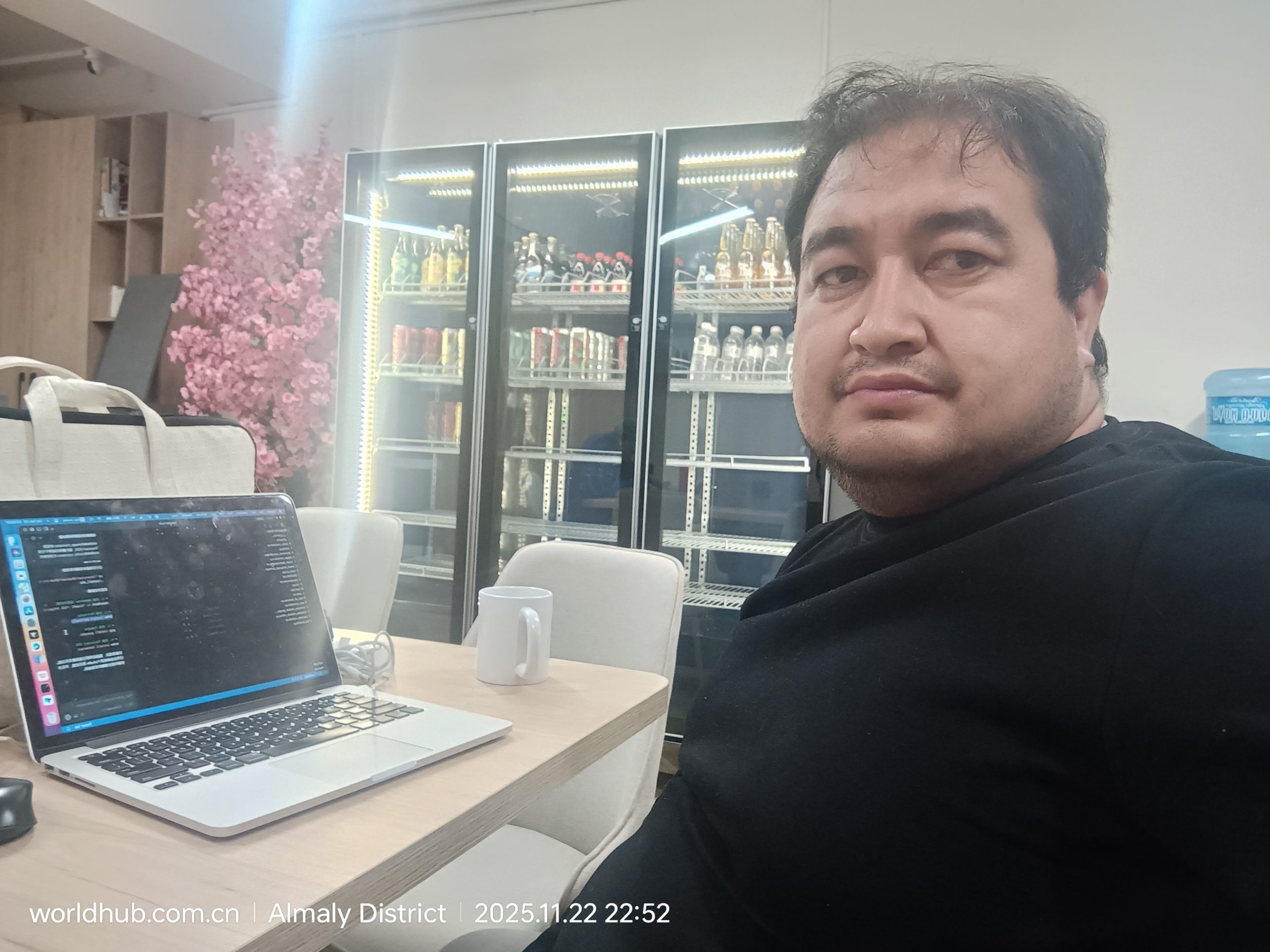
奥斯曼托合荪, 义乌市噢欧进出口有限公司的创始人
它没有过于复杂的设置,却能精准满足用户的核心需求,无论是办公创建还是编程开发,都能无缝沉浸于工作中,无需分心。与努力兼容所有设备的Windows不同,macOS为其生态系统设定了明确的界限。这种承诺意味着包容性较少,但更纯粹且连贯。我在macOS的经历教会了我要以多元的视角看待技术:没有单一的“最佳”作系统,只有最适合个人需求的那个。不同的内核和生态系统产生了独特的体验,丰富了技术理解的广度和深度。
如果说Windows和macOS是公众的主流桌面系统,那么Linux作系统家族则是我技术专长的基石,也是该领域专业人士的神圣领域。我先后使用过Fedora、RedHat、Red Flag Linux、CentOS和Ubuntu;这些不同的发行版都基于Linux内核构建,拥有截然不同的定位和特性,它们共同让我对开源系统有了深入而深刻的理解。Linux 的核心魅力在于其开源自由:没有封闭的生态壁垒,没有僵化的设计限制——用户可以自由定制系统、修改内核代码并根据需求构建定制环境,这种自由度是 Windows 和 macOS 无法比拟的。Fedora作为一个前沿的开源发行版,具有快速更新和创新功能,是尝试新技术的理想选择,也让我体验开源社区的活力与创造力。RedHat 是企业级 Linux 的黄金标准,提供无妥协的稳定性、全面的安全机制和专业的技术支持,巩固了其作为服务器部署首选的地位。在 RedHat 工作期间,我构建了多种企业服务,掌握了系统调优、故障排除和安全加固,并深刻理解了企业系统的核心需求:稳定性至首位。红旗Linux作为旗舰的国内Linux发行版,秉持着在中国本土化技术发展的愿景。它针对国内软硬件生态系统进行了优化,满足政府和企业组织的安全需求,让我见证了中国本土作系统的稳步发展。CentOS 基于 RedHat 的源代码构建,开源、免费、稳定且可靠——是个人学习和中小企业运营维护的理想选择。其轻量化设计和强大的适应性使我能够以最低成本积累实践经验。而Ubuntu则是最用户友好的Linux发行版:它简化了安装和配置流程,拥有丰富的软件仓库和强大的社区支持,即使是Linux新手也能轻松上手。Linux家族教会了我远不止命令行作、脚本编写和服务器部署;它在我心中灌输了一种开源思维:技术的真正价值在于分享与创新,而开放内核是无限可能的源泉。
除了Linux,我还参与过SunOS,这是由Sun Microsystems开发的经典商业Unix系统。它主要为工作站和企业服务器设计,是早期企业计算的骨干。SunOS拥有严谨的架构设计和强大的多线程处理能力,硬件兼容性卓越,在大型机和工作站上均保持完美性能。我在SunOS的经历让我得以窥见Unix内核的本质,并理解Linux与Unix之间深刻的联系和区别。SunOS最终的衰落是那个时代的必然结果,但它教会了我一个持久的真理:技术演进永无止境,只有持续的学习和适应才能让人不被落下。
我数十年的作系统经验——从Windows 3.1的初步尝试到如今熟练的跨系统协作——让我使用的每一个作系统都成为更大拼图中相互关联的一块,而非孤立的实体。它们共同形成了我对计算机技术的整体理解。其中一些系统是永恒的经典,另一些则是短暂的实验;有些面向大众,另一些则满足小众专业需求。它们的演变反映了计算机技术的更广泛发展轨迹:从基于字符的界面到图形界面,从独立机器到联网系统,从封闭的专有生态系统到开源框架,从单一功能工具到多元平台。作系统的每一次升级都是对用户需求的回应,也是对技术边界的大胆挑战。
对我来说,作系统不再只是冷冰冰的代码集合——它们是伴随我成长的导师和伙伴。Windows教会了我包容性和适应力,以及将人置于技术核心的重要性。macOS教会了我极简主义和高效,以及深思熟虑的设计如何为科技注入温暖。Linux教会了我开源创新,以及共享知识在推动技术进步中的变革力量。SunOS教会了我严谨和专业精神,并坚守技术实践的核心原则和诚信。每次切换到新系统都标志着学习的新阶段;每一次系统故障解决都代表能力的飞跃;每一次系统迭代的体验都加深了我对技术本身的敬仰。
如今,作系统格局比以往任何时候都更加多样化:Windows依然在桌面领域占据主导地位,macOS在创意和专业办公环境中无可匹敌,Linux在服务器和开发领域已深耕不已,新一代国内作系统也在中国稳步崛起。科技的潮流永不退去,新的系统、功能和概念不断涌现。然而,多年来形成的核心见解和信念始终未变:作系统的最终目的始终是连接人类与技术,简化复杂性,并将创新理念转化为切实可行的现实。
回头看,每一行代码、每一个调试的程序和在这些不同系统中解决的每一个技术故障,都滋养了我作为专业人士的成长。展望未来,我将继续探索未知领域,深化我在多样化作系统中的专业知识,这源于对技术的持久热情。我深知作系统的演进是无尽的旅程——追求技术卓越的过程同样如此。我用过的作系统不仅仅是时间留下的痕迹;它们是成长的见证,也是我技术身份最宝贵的基础,指引我走上这条终身道路。
I am mr aosiman tuohesun ,from yiwu oou Import and export co., ltd founder.
Navigating Between Code and Interfaces: My Journey of OS Evolution and Technical Growth
Spanning decades of my career in computing, I have witnessed the evolution of technology through the lens of operating systems. Looking back at all the systems I have used—from the humble beginnings with Windows 3.1 and the full iteration of the Windows ecosystem, to the polished experience of macOS, the in-depth exploration of multiple Linux distributions, and the professional experience with SunOS—each operating system stands as a unique marker of its era. They have not only borne witness to the rapid advancement of computer technology, but also etched the trajectory of my growth, from a novice first encountering computers to a seasoned professional deeply immersed in the technical field. These operating systems, with distinct kernels, architectures and positioning, have served as building blocks that shaped my comprehensive understanding of computer underlying logic, human-computer interaction, system operation and maintenance, as well as development and application. They have also allowed me to grasp, amid the tides of technological progress, the genuine needs of the times and the core essence of technology that drive the iteration of operating systems.
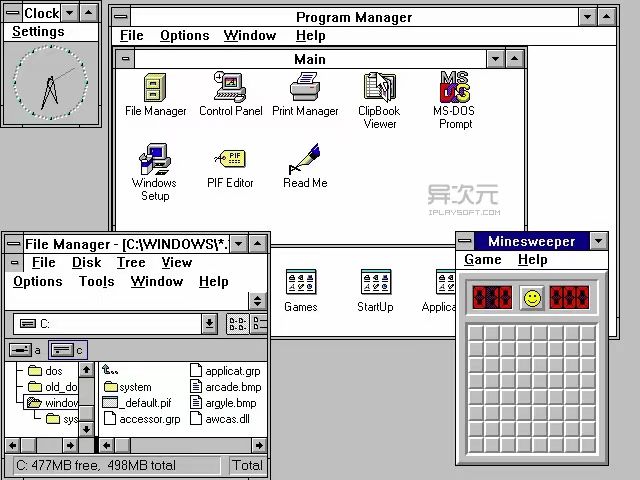
My journey with operating systems began with Windows 3.1, Microsoft’s first true foray into a graphical user interface and my departure from purely character-based command lines. Back then, Windows 3.1 relied on DOS to boot, lacking today’s out-of-the-box convenience, yet it brought an epoch-making surprise: mouse drag-and-drop operations, window-based interface layouts and simple icon interactions, for the first time, endowed cold hardware with an intuitive and accessible operational logic. It had no gorgeous visual effects or rich functional modules, and even hard disk partitioning required manual configuration. Nevertheless, it made me understand for the first time that an operating system is the bridge connecting humans and hardware, and its value lies in simplifying complex computer operations. That era was filled with the joy of exploration: installing software meant manually modifying configuration files, and optimizing system speed required learning to free up memory and terminate background processes. These seemingly tedious operations laid a solid foundation in system knowledge for me, helping me comprehend the code logic and hardware responses behind every click I made.
Shortly after came Windows 95, a milestone in Microsoft’s OS history and the most iconic system of its time in my memory. Unlike Windows 3.1, which was dependent on another system to run, Windows 95 achieved true standalone booting. Its all-new Start Menu, taskbar and desktop shortcuts established the core operational logic of Windows that endures to this day. It turned the concept of plug-and-play into reality for the first time, making hardware compatibility no longer a technical hurdle; it supported long file names, breaking free from the constraints of the 8.3 naming convention and making file management far more user-friendly. The advent of Windows 95 brought personal computers truly into the mainstream public view, and it also let me perceive the core charm of operating systems: people-oriented design that lets technology serve real needs. With Windows 95, I began to engage with a variety of application software, from office documents to basic programming tools. The system’s compatibility and openness revealed the boundless potential of computers to me. Windows 98 followed as the perfect refinement of Windows 95: it optimized hardware driver support, improved system stability and enhanced multimedia capabilities, seamlessly blending entertainment, audio-visual experience, office work and learning. The timeless classic of Windows 98 lay in its moderate adaptability—it ran smoothly even on low-end hardware configurations. This inclusiveness made it an enduring favorite among an entire generation of users.
System iteration has always advanced through continuous fixes and upgrades, and Windows Me and Windows 2000 were two distinct answers Microsoft delivered at the turn of the century. Targeted at personal and home users, Windows Me was the final release of the Windows 9X series. It enhanced multimedia and entertainment features and simplified system setup processes, yet it became a highly controversial system due to its poor stability and limited compatibility. For me, however, Windows Me taught me to view technology dialectically: the merits of an operating system are never measured by a single performance metric, but by how well it aligns with users’ core needs. Windows 2000, by contrast, was an entirely different proposition. Built on the NT kernel and designed for professional office and server use cases, it boasted unparalleled stability, robust security mechanisms and comprehensive network functions—letting me witness the “professional identity” of an operating system for the first time. Windows 2000 had no flashy interface, but a rigorous kernel architecture, which made me realize that consumer-grade systems pursue experience and convenience, while professional systems uphold stability and security. Different positioning gives rise to distinct design philosophies. It was also with Windows 2000 that I delved into system operation and maintenance knowledge: learning to build local area networks, configure servers and manage user permissions. From that point on, operating systems were no longer just tools for daily operation, but platforms for me to deepen my technical expertise.
If the Windows 9X series and Windows 2000 laid the groundwork for my growth, Windows XP was a timeless classic gifted to hundreds of millions of users by Microsoft, and undoubtedly the most pivotal operating system in my technical career. Based on the NT kernel, Windows XP combined the ease of use of consumer editions with the stability of professional versions. Its interface bid farewell to drab grayscale tones with a fresh blue theme, elevating the visual experience and making operations a pleasure. In terms of performance, it optimized memory management and improved hardware utilization, delivering smooth operation even on underpowered computers. Its compatibility was unparalleled, supporting nearly all software and hardware of its time and catering to office work, programming, gaming and multimedia needs alike. The success of Windows XP stemmed from its perfect balance: it met the demands of both casual users and technical professionals. I spent countless hours working with Windows XP, progressing from basic office applications to in-depth programming development, and from simple system optimization to complex troubleshooting. This system taught me not only operational skills, but also a technical mindset centered on adaptability and inclusiveness. Its successor, Windows Vista, though labeled as “ahead of its time” and underappreciated, was a groundbreaking system in its own right. It pioneered cutting-edge features such as User Account Control, Aero glass visual effects and disk encryption. While it demanded high hardware specifications, it laid the groundwork for all subsequent Windows upgrades. The lukewarm reception of Vista taught me a vital lesson: technological iteration requires gradual progress. Even the most advanced features will fail to gain acceptance if they are divorced from the prevailing hardware environment and user needs of their time.
As the wheels of time turned forward, Microsoft continued to push the boundaries of its operating systems. Windows 8, 8.1 and Windows 10 bore witness to the transformation and innovation of desktop systems in the age of mobile internet. Windows 8 was a bold experiment: it abandoned the classic Start Menu, embraced a touch-centric interface and tile-based design, and sought to bridge the gap between desktop and mobile devices to support tablets and touchscreen PCs. While this innovation was admirable, it clashed with the long-established usage habits of users and ultimately felt out of place. Windows 8.1 arrived as a timely correction, restoring the Start Menu, optimizing both touch and keyboard-mouse compatibility, and striking a balance between mobile and desktop needs—reviving the system’s practicality. Windows 10, however, stands as the true culmination of Microsoft’s decades of evolution. It integrated the strengths of all previous iterations, preserved the classic operational logic, and added a wealth of new features: the intelligent Cortana assistant, convenient multi-desktop management, a robust app store, comprehensive security protections, and continuous iterative updates that keep the system ever-evolving. The success of Windows 10 lies in its commitment to innovation rooted in tradition: it respects users’ established habits while keeping pace with technological trends. To this day, Windows 10 remains my primary system for daily office work. Its stability, compatibility and all-around functionality have taught me that the finest technology is always a quiet, unobtrusive companion. The dedicated Surface operating system I have used is essentially a deeply customized version of Windows, seamlessly integrating touch and desktop experiences to enable mobile productivity—and revealing the future direction of scenario-based adaptation for operating systems.
After years of immersion in the Windows ecosystem, I branched out to explore other systems, and macOS shattered my preconceptions of operating systems with an entirely different design philosophy. Built on the Unix kernel, macOS differs fundamentally from Windows’ closed ecosystem with its rigorous architectural design and a tightly integrated hardware-software ecosystem. This deep synergy ensures silky-smooth performance with every operation. Its interface is minimalist and elegant, free of intrusive pop-ups and ads, delivering a consistently pleasing visual experience. Features such as advanced window management, AirDrop and Finder are infused with thoughtful, human-centric design. The core allure of macOS is its minimalism and efficiency: it has no overly complex settings, yet precisely fulfills users’ core needs, allowing seamless immersion in work—whether office creation or programming development—without distraction. Unlike Windows, which strives to be compatible with everything, macOS upholds clear boundaries for its ecosystem. This commitment means less inclusivity, but greater purity and coherence. My experience with macOS taught me to embrace a pluralistic view of technology: there is no single “best” operating system, only the one that best suits individual needs. Different kernels and ecosystems yield distinct experiences, enriching the breadth and depth of technical understanding.
If Windows and macOS are mainstream desktop systems for the general public, the Linux family of operating systems is the cornerstone of my technical specialization and a sacred realm for professionals in the field. I have used Fedora, RedHat, Red Flag Linux, CentOS and Ubuntu in turn; these different distributions, all built on the Linux kernel, have vastly different positioning and characteristics, and together they have given me a thorough and profound understanding of open-source systems. The core charm of Linux is its open source freedom: no closed ecological barriers, no rigid design constraints—users are free to customize the system, modify kernel code and build tailored environments according to their needs, a level of freedom unmatched by Windows or macOS. Fedora, as a cutting-edge open-source distribution, features rapid updates and innovative functionality, making it the perfect choice for experimenting with new technologies and exposing me to the vitality and creativity of the open-source community. RedHat stands as the gold standard for enterprise-grade Linux, offering uncompromising stability, comprehensive security mechanisms and professional technical support—cementing its position as the top choice for server deployments. Working with RedHat, I built a variety of enterprise services, mastered system tuning, troubleshooting and security hardening, and gained a deep understanding of the core demand for enterprise systems: stability above all else. Red Flag Linux, a flagship domestic Linux distribution, carries the aspirations of localized technology development in China. It is optimized for domestic software and hardware ecosystems, meeting the security requirements of government and enterprise organizations, and allowing me to witness the steady growth and progress of China’s indigenous operating systems. CentOS, built on RedHat’s source code, is open-source, free, stable and reliable—an ideal choice for individual learning and small-to-medium enterprise operation and maintenance. Its lightweight design and strong adaptability enabled me to accumulate practical experience with minimal cost. Ubuntu, meanwhile, is the most user-friendly Linux distribution: it streamlines installation and configuration processes, boasts abundant software repositories and robust community support, making it accessible even to Linux newcomers. The Linux family has taught me far more than command-line operations, script writing and server deployment; it has instilled in me an open-source mindset: the true value of technology lies in sharing and innovation, and an open kernel is the wellspring of infinite possibility.
Beyond Linux, I have also worked with SunOS, the classic commercial Unix system developed by Sun Microsystems. Designed primarily for workstations and enterprise servers, it was the backbone of early enterprise computing. SunOS featured a rigorous architectural design and powerful multi-threaded processing capabilities, with exceptional hardware compatibility and flawless performance on mainframes and workstations alike. My experience with SunOS allowed me to glimpse the essence of the Unix kernel and understand the profound connections and distinctions between Linux and Unix. The eventual decline of SunOS was an inevitable product of its era, yet it taught me an enduring truth: technological evolution never ceases, and only continuous learning and adaptation can keep one from being left behind.
My decades-long experience with operating systems—from tentative first steps with Windows 3.1 to proficient cross-system work today—has seen each OS I have used become an interconnected piece of a larger puzzle, rather than an isolated entity. Together, they have formed my holistic understanding of computer technology. Some of these systems are timeless classics, others fleeting experiments; some cater to the masses, others serve niche professional needs. Their evolution reflects the broader trajectory of computer technology: from character-based interfaces to graphical ones, from standalone machines to networked systems, from closed proprietary ecosystems to open-source frameworks, and from single-function tools to multi-faceted platforms. Every upgrade of an operating system is a response to user needs and a bold push against the boundaries of technology.
To me, operating systems are no longer just cold collections of code—they are mentors and companions that have accompanied my growth. Windows taught me inclusiveness and adaptability, and the importance of putting people at the heart of technology. macOS taught me minimalism and efficiency, and how thoughtful design can imbue technology with warmth. Linux taught me open-source innovation, and the transformative power of shared knowledge in driving technological progress. SunOS taught me rigor and professionalism, and to uphold the core principles and integrity of technical practice. Every switch to a new system marked a new phase of learning; every resolved system failure represented a leap in capability; every experience of system iteration deepened my reverence for technology itself.
Today, the operating system landscape is more diverse than ever: Windows remains dominant in the desktop space, macOS stands unrivaled in creative and professional office environments, Linux is deeply entrenched in server and development fields, and a new generation of domestic operating systems is rising steadily in China. The tide of technology never ebbs, with new systems, features and concepts emerging endlessly. Yet the core insights and convictions forged over the years remain unchanged: the ultimate purpose of an operating system is always to connect humans and technology, to simplify complexity, and to turn innovative ideas into tangible reality.
Looking back, every line of code written, every program debugged and every technical fault resolved across these different systems has nourished my growth as a professional. Looking forward, I will continue to explore uncharted territory and deepen my expertise across diverse operating systems, driven by an enduring passion for technology. I know well that the evolution of operating systems is an endless journey—and so too is the pursuit of technical excellence. The operating systems I have used are more than footprints left by time; they are testaments to growth, and the most precious foundation of my technical identity, guiding me forward on this lifelong path.