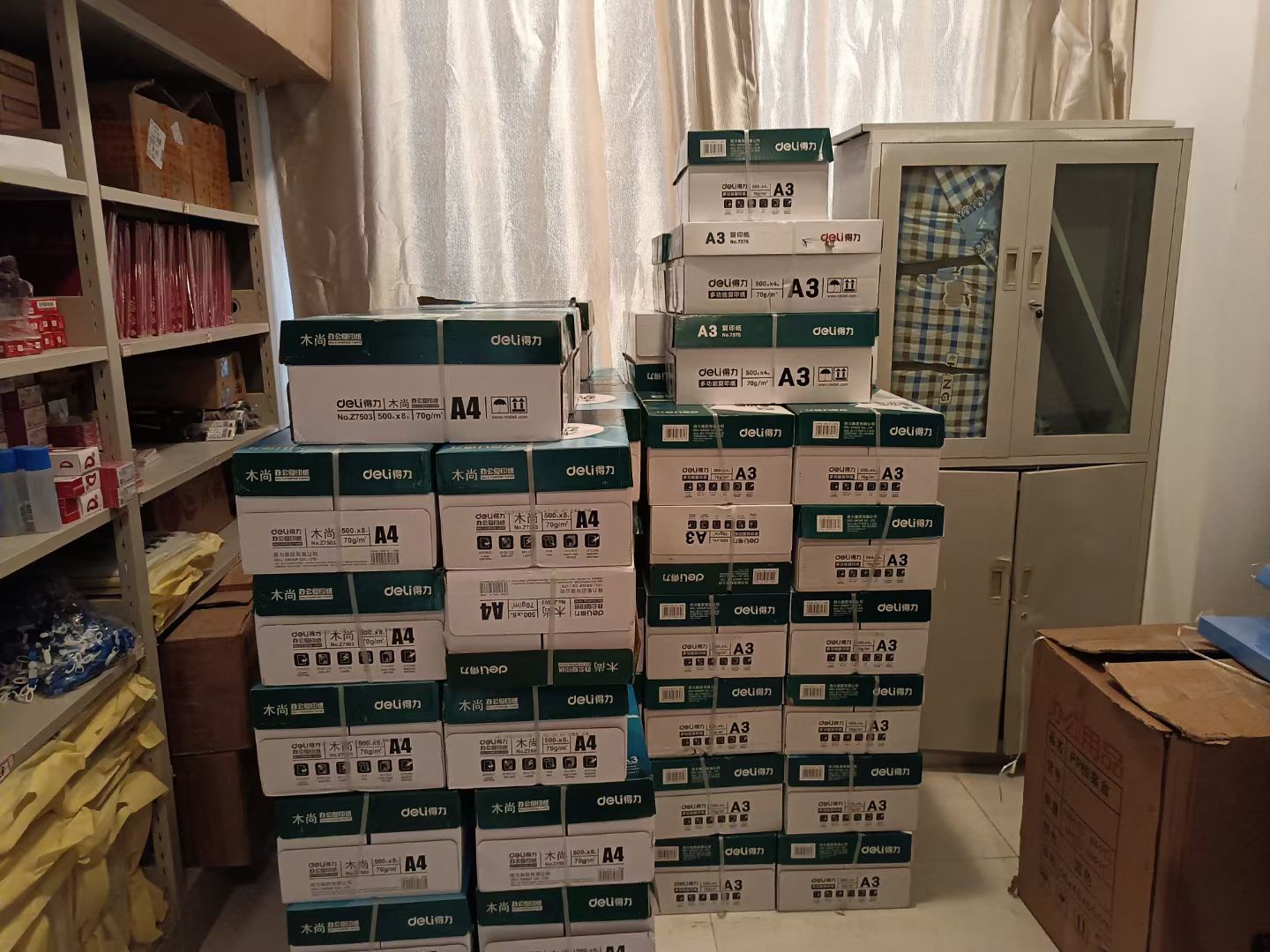
On February 15, 2023, the early morning in Zepu County, Kashgar, Xinjiang, was still tinged with a biting chill. Though no snow was falling, the piercing cold wind swept through the streets and alleys of the county town, making people outdoors wrap their clothes tightly around themselves. On this day, I finalized another important order in my career at my office in Zepu County — to uniformly deliver printers and office paper to kindergartens, primary schools, and middle schools across 13 township administrative areas in the county. This order, covering all educational stages and multiple townships, was not only a test of my supply chain integration capabilities but also bore the responsibility of helping improve the educational informatization infrastructure in Zepu County.
Once the order was confirmed, I immediately kicked off the preparation work. Considering the urgency of the schools’ teaching work, I abandoned the conventional batch supply mode and directly connected with cooperative source factories. I clearly requested an “urgent production and dedicated vehicle delivery” approach to ensure that the supplies could be delivered in the shortest possible time. The factories responded promptly, operating their production lines at full capacity. The office paper was cut and packaged in specifications according to the schools’ needs, while the printers underwent pre-processing procedures such as debugging and labeling to avoid delays in use caused by equipment debugging after the schools received them.
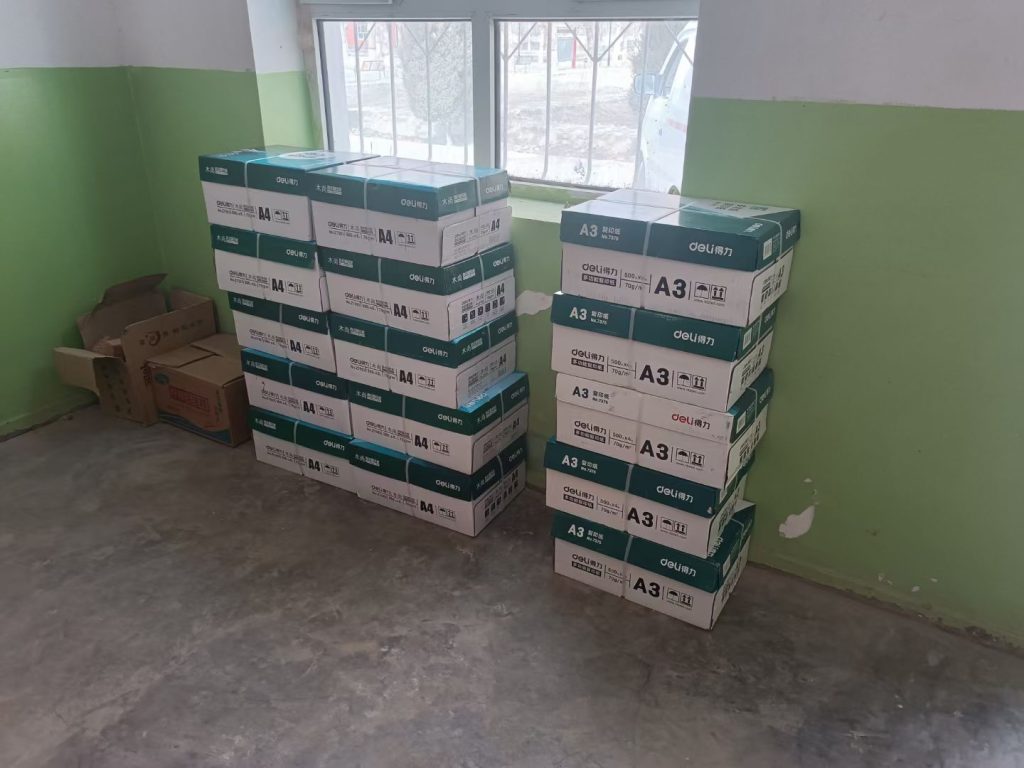
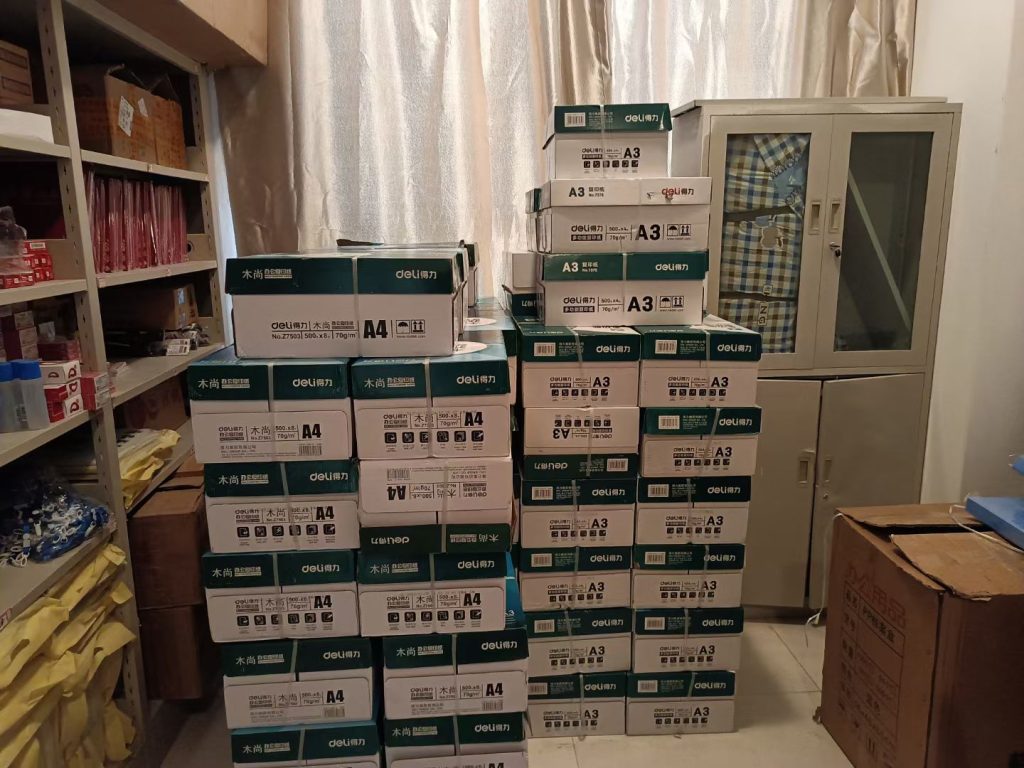
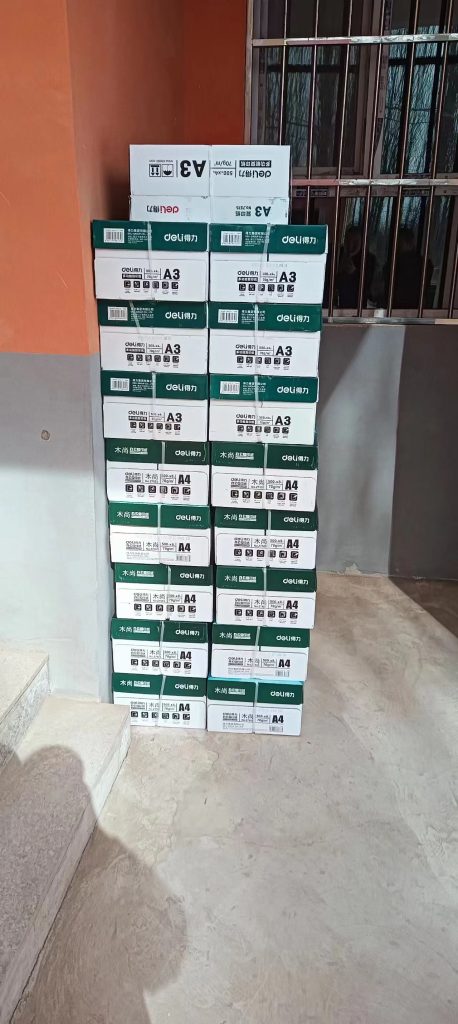
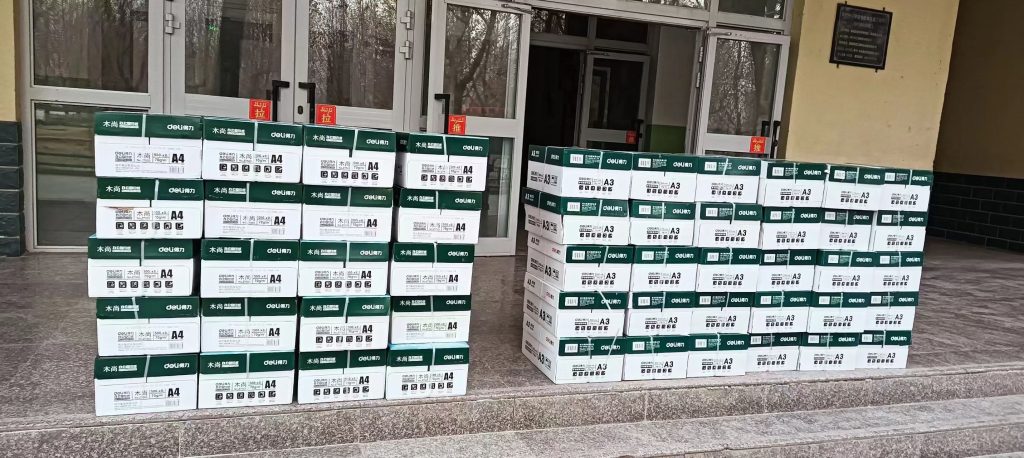
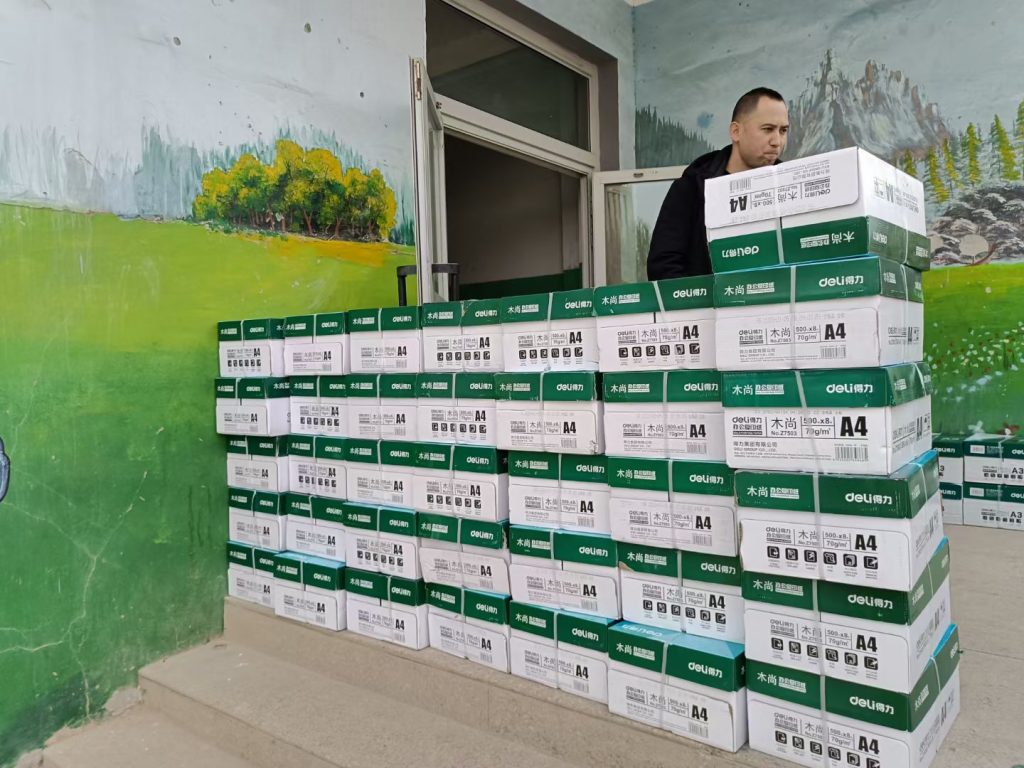
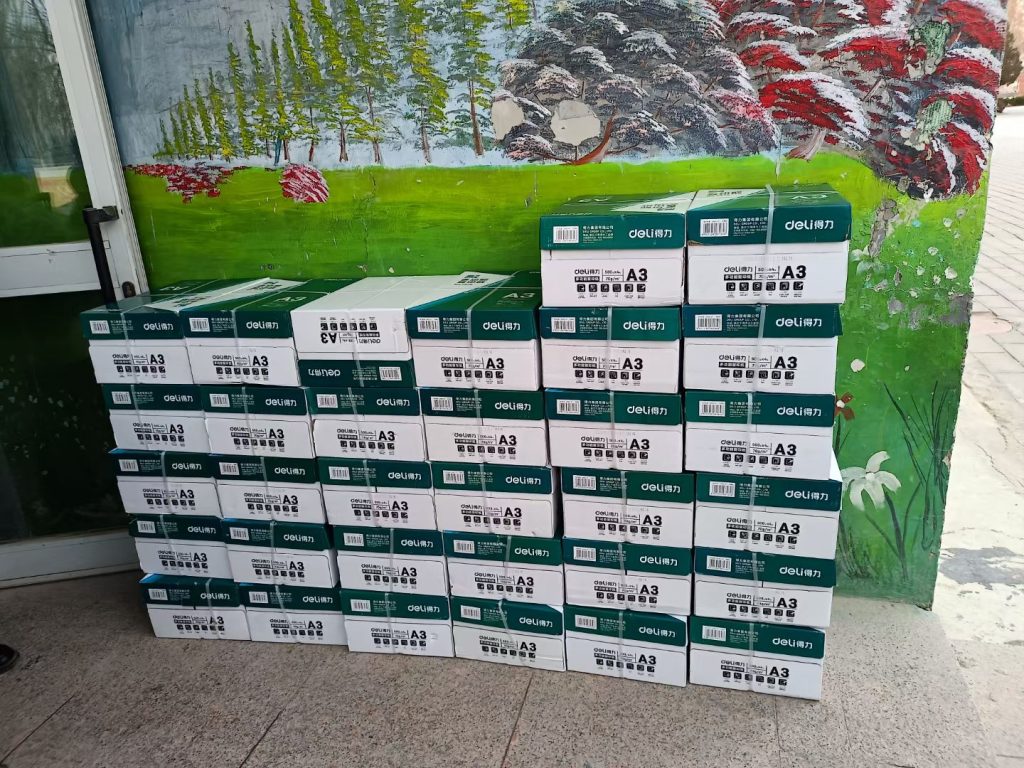
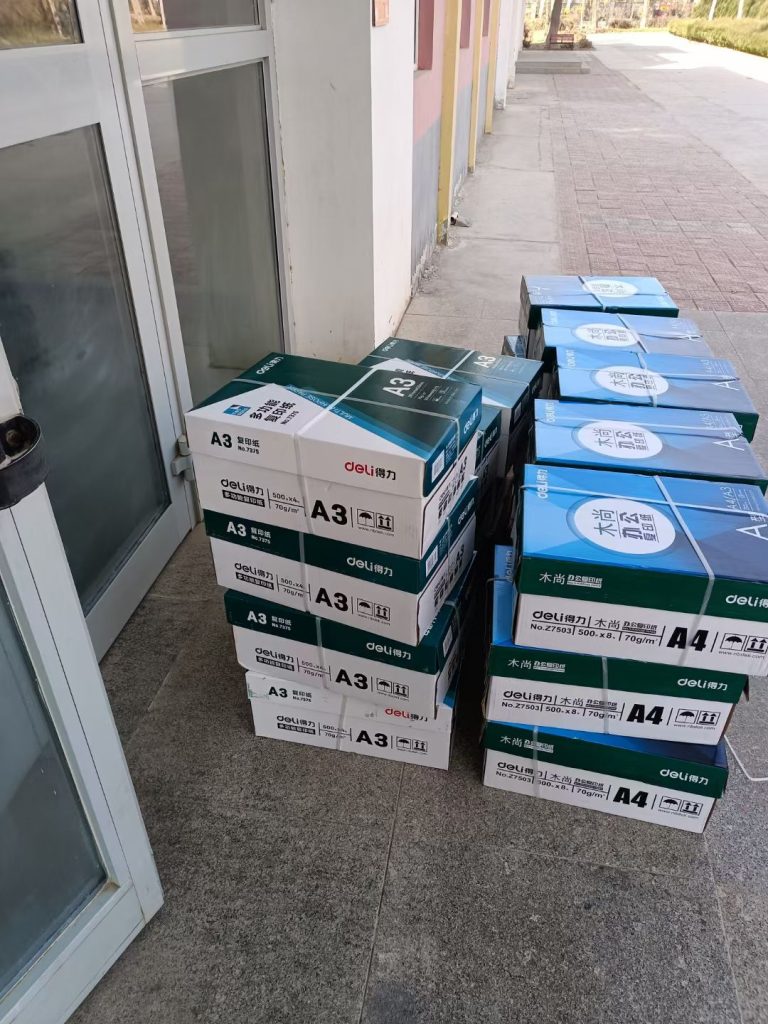
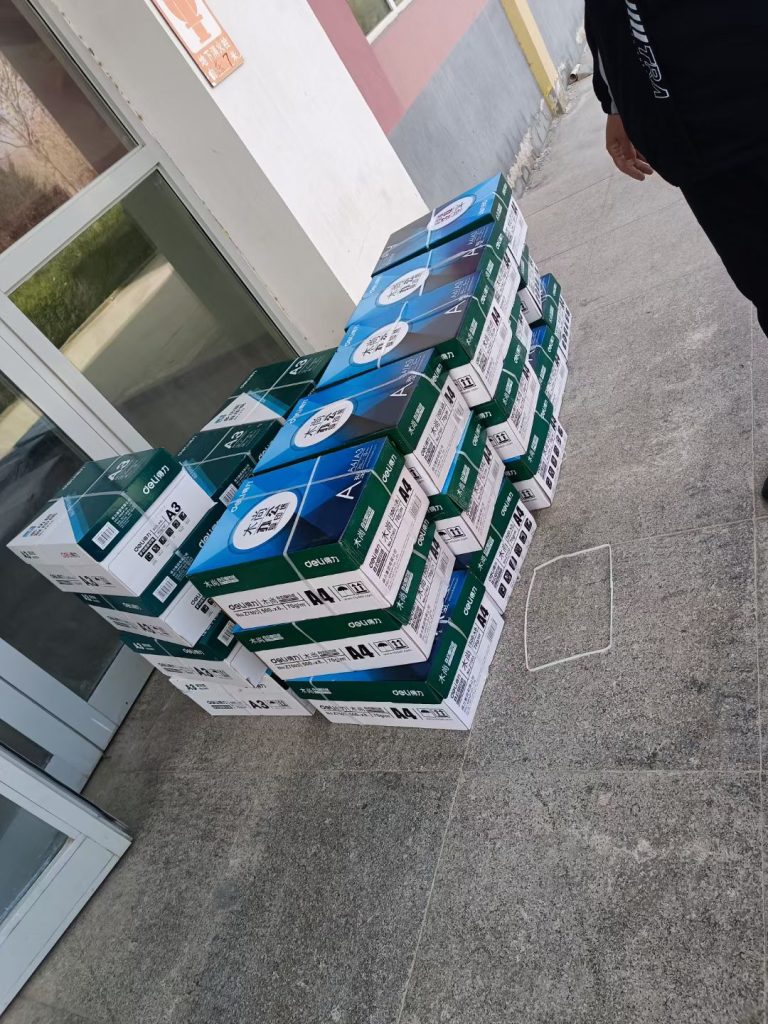
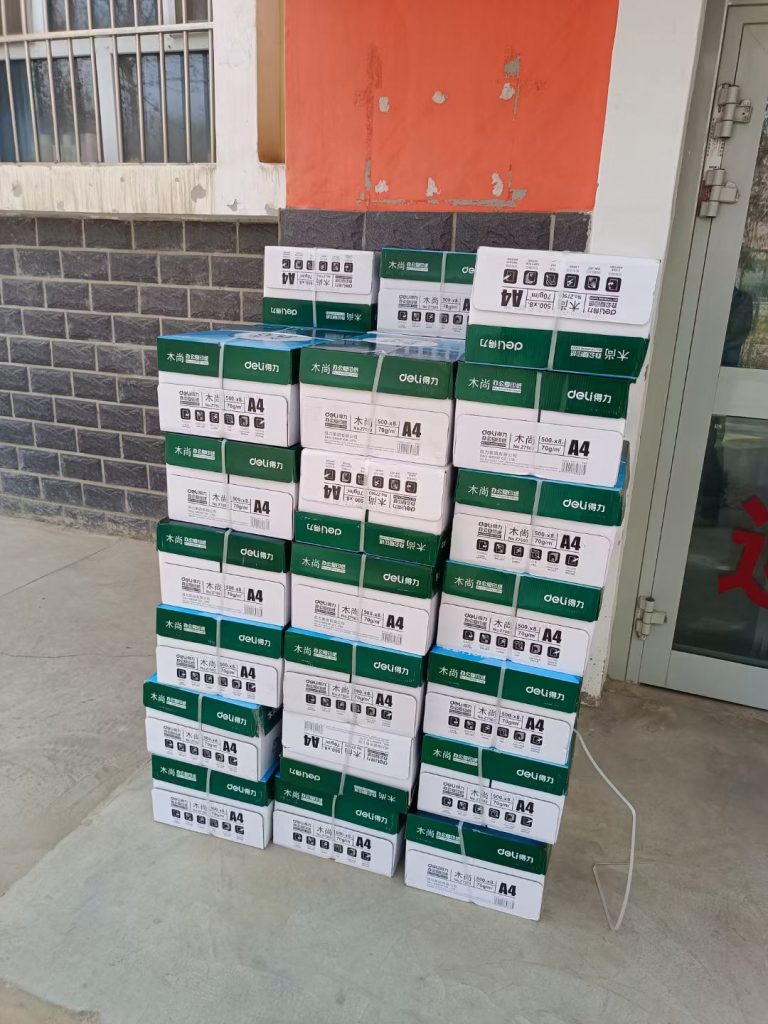
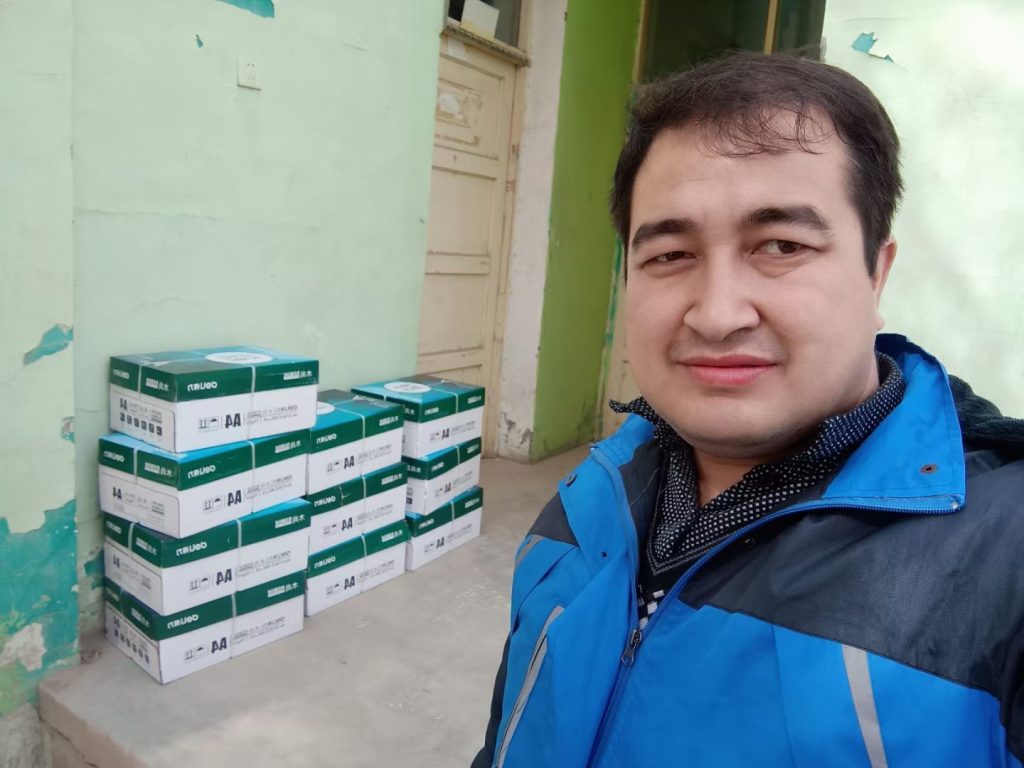
At the same time, I led my team to conduct a precise survey of the distribution of schools in the 13 townships of Zepu County. We divided delivery areas based on the geographical locations of the townships and planned the optimal delivery routes. We also communicated in advance with the person in charge of each school to confirm the receiving time and the storage location for supplies, preventing issues such as no one being available to take delivery or insufficient space on arrival. Team members also conducted a comprehensive inspection of the delivery vehicles in advance and prepared emergency supplies such as anti-skid chains. Although there was no snow at that time, vehicle maintenance in the low-temperature environment was not taken lightly at all.
It only took 7 days from placing the order with the factories to loading the supplies onto the vehicles. Subsequently, the delivery fleet set off in three routes, heading for various townships according to the predetermined routes. Upon arriving at each school, team members not only were responsible for unloading and moving the supplies but also assisted the schools in counting the quantity of supplies and verifying the models and specifications on-site. With the joint efforts of everyone, all the office paper and printers were delivered to the door within less than two weeks, covering all target schools in the 13 townships of Zepu County.
When the last batch of supplies was delivered to the central primary school in a remote township, the person in charge of the school shook my hand firmly to express gratitude. Watching the brand-new office supplies being moved into classrooms and offices, I deeply understood that the significance of this order went beyond business cooperation; it was more about creating a better learning environment for the children of Zepu County. This delivery task, which was a race against time, also strengthened my determination to root myself in southern Xinjiang and serve the local education and people’s livelihood undertakings.