I AM MR AOSIMAN TUOHESUN FROM ZEPU COUNTY,XINJIANG,CHINA,COMPANY AT YIWU CITY ,ZHEJIANG PROVINCE。
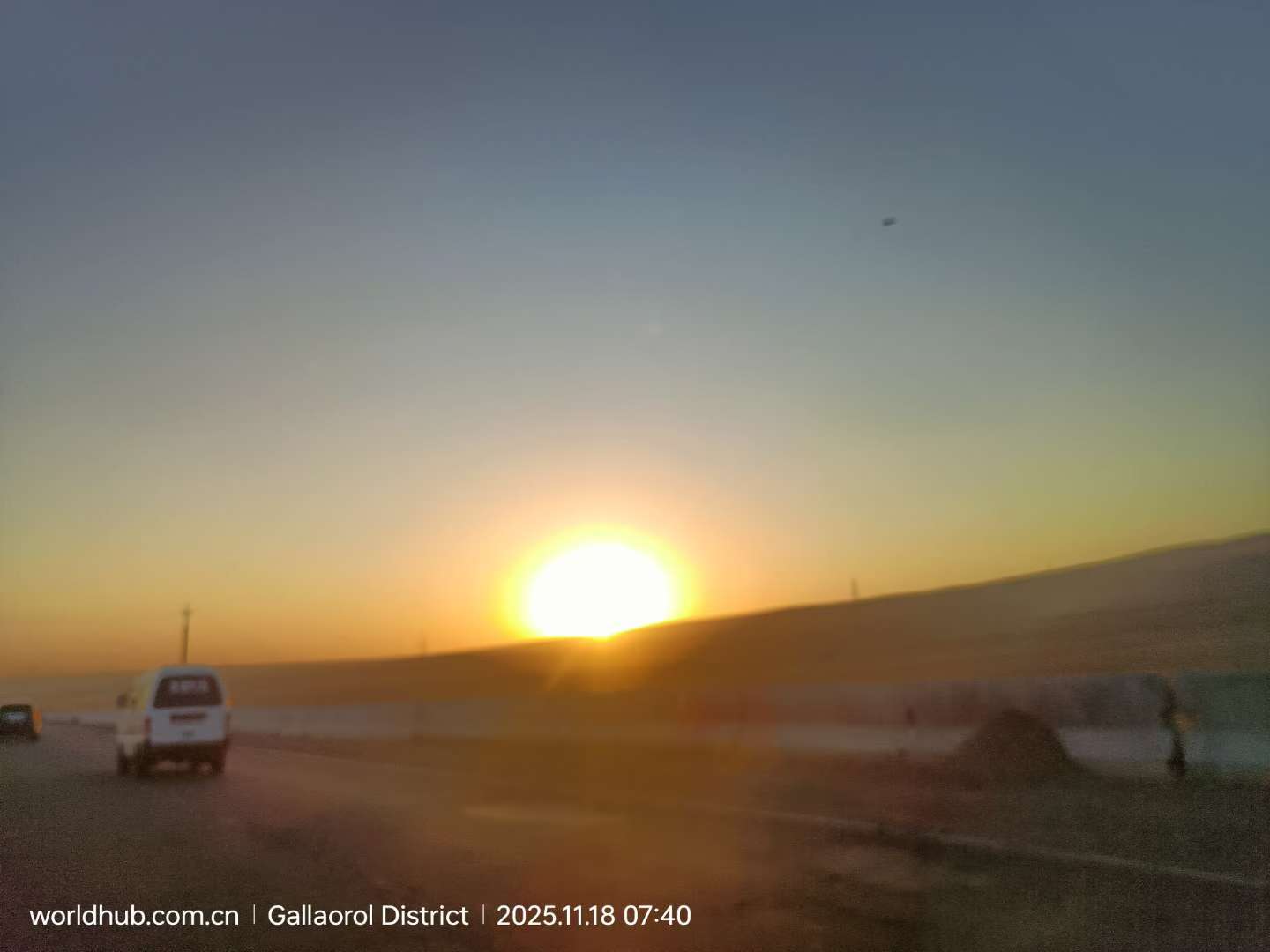
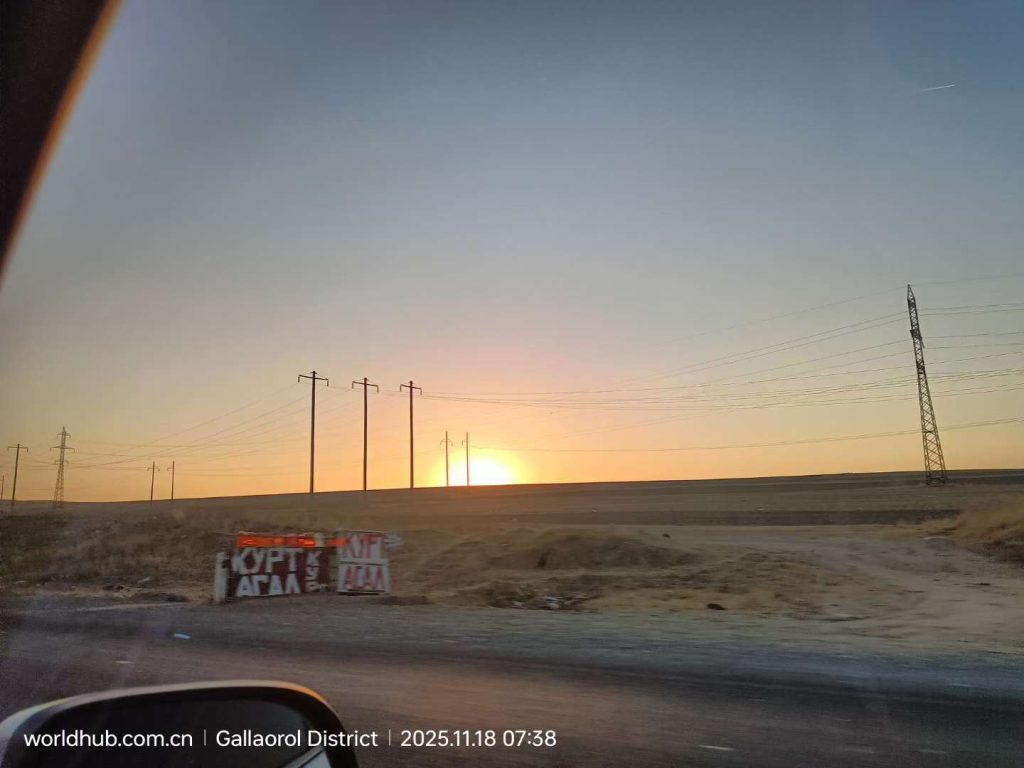
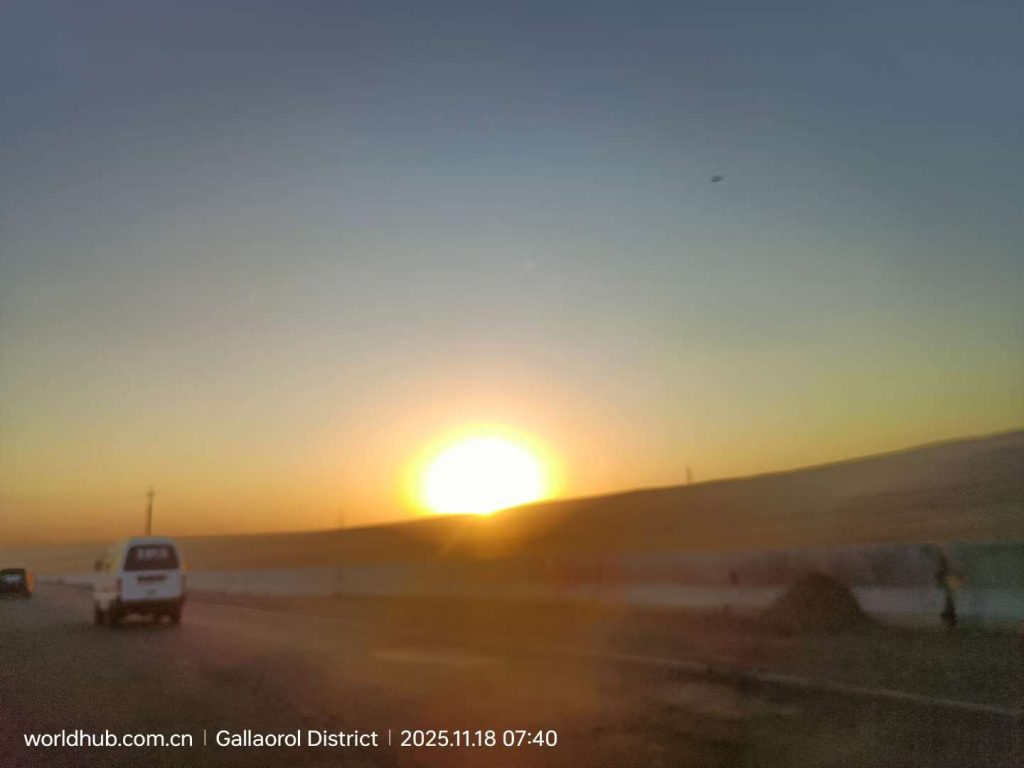
Good morning! The crisp, golden sunlight filters through the car window as I set off on a busy yet rewarding business day in Tashkent, the lively capital city of Uzbekistan. Even though it is early morning—far from the hour when the sun would actually “set out” (a beautifully poetic way of phrasing the start of a new day)—there is an indescribable warmth in the air that makes this moment feel incredibly pleasant. What a wonderful feeling, isn’t it?
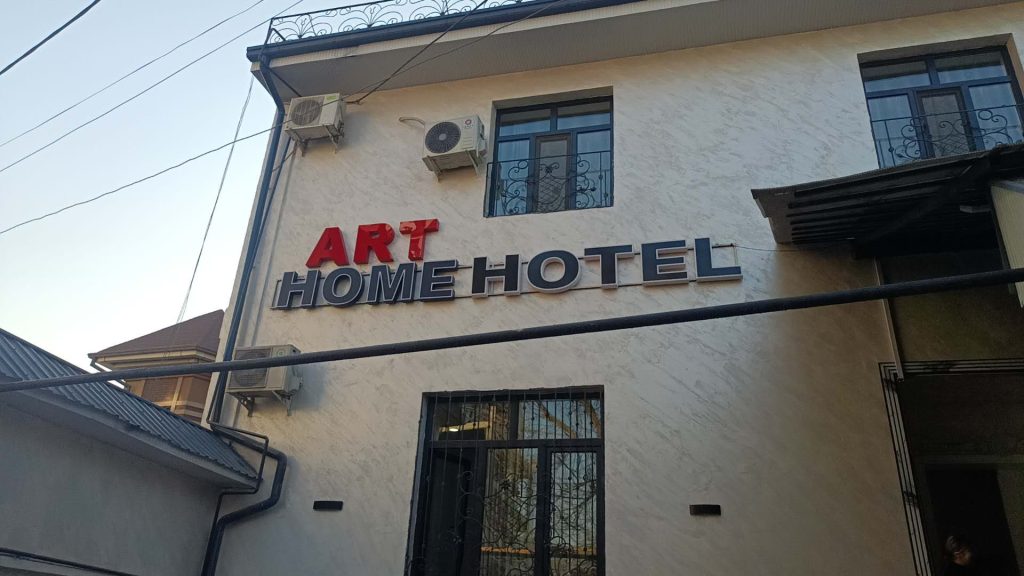
At 10:30 a.m., I arrived at Art Hotel in Tashkent City. The hotel, nestled in a quiet yet accessible area of the city, serves as my temporary base for this business trip—its cozy lobby and convenient location make it easy to organize my daily itinerary and recharge after a day of meetings and market visits. After checking in and settling my belongings briefly, I got back on the road to continue my scheduled tasks.
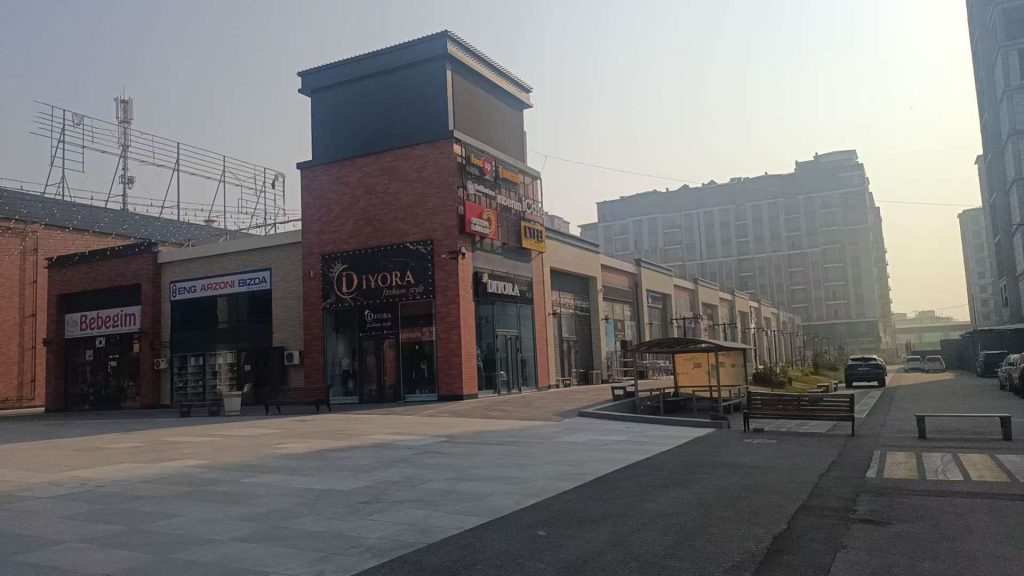
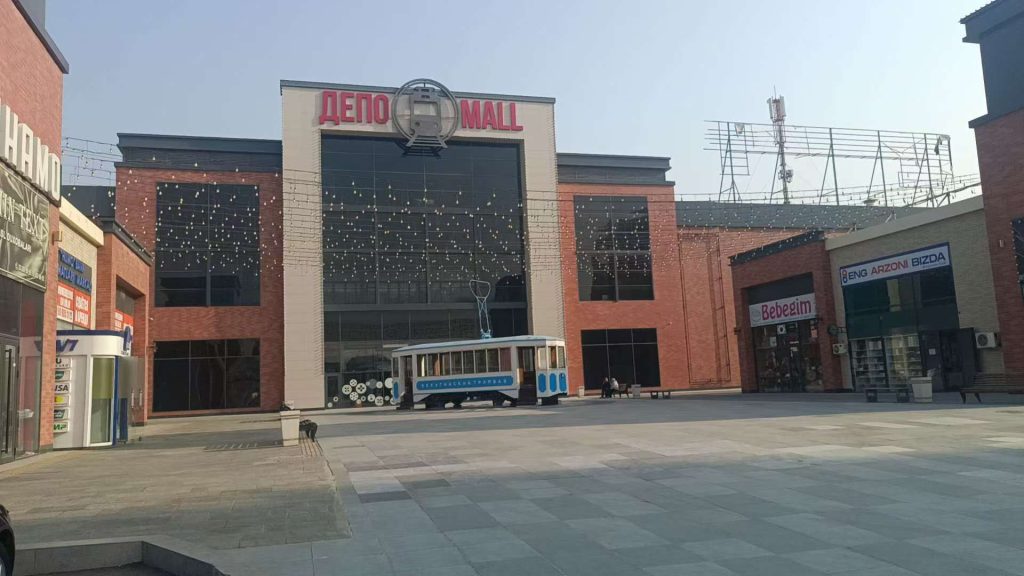
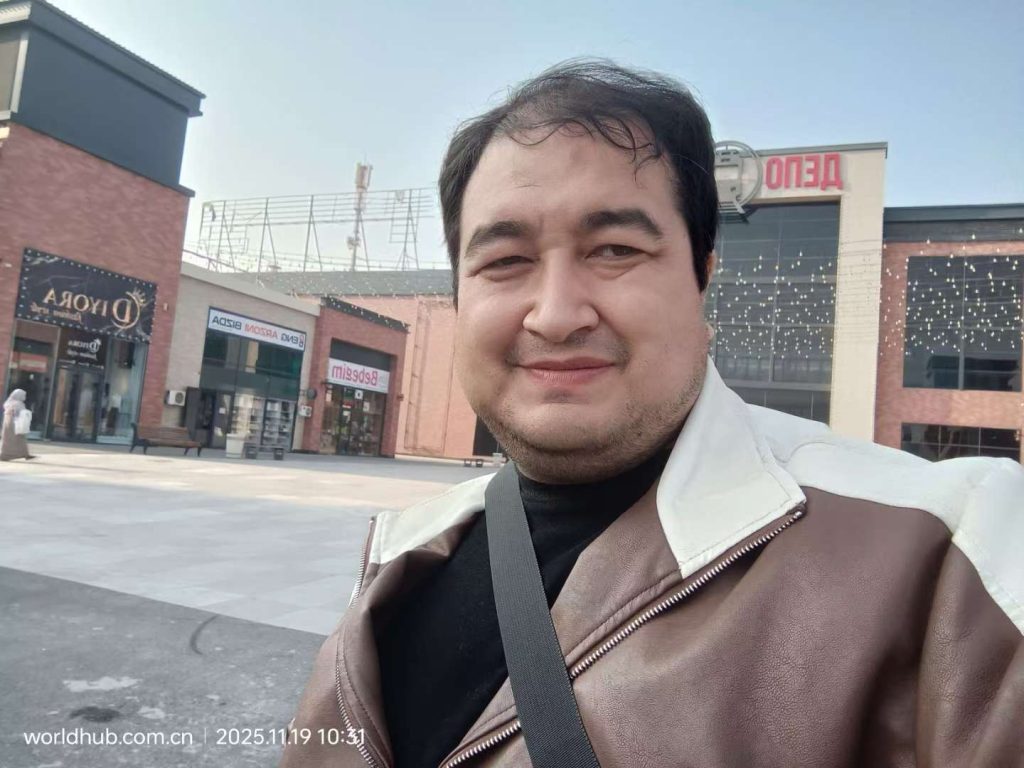
My day officially kicks off with a drive deeper into Tashkent City, where the streets are slowly waking up to the bustle of local traders arranging their stalls, commuters hurrying to work, and the gentle rhythm of daily life that makes this city so charming. After arriving in the city center, I headed to the Depo Mall Business Center—a thriving commercial hub that seamlessly blends vibrant retail activity, office spaces, and a concentration of local and international businesses. Here, I conducted a detailed market inspection: observing consumer behaviors (such as purchasing preferences for daily goods and willingness to try new services), analyzing the latest local market trends related to e-commerce and B2B trade, engaging with nearby merchants to gather firsthand insights into their operational pain points and cooperation needs, and carefully evaluating potential opportunities for the “WorldHub” project to integrate into this dynamic commercial ecosystem. Every conversation and observation felt valuable, as they helped me gain a more grounded understanding of Tashkent’s business landscape.
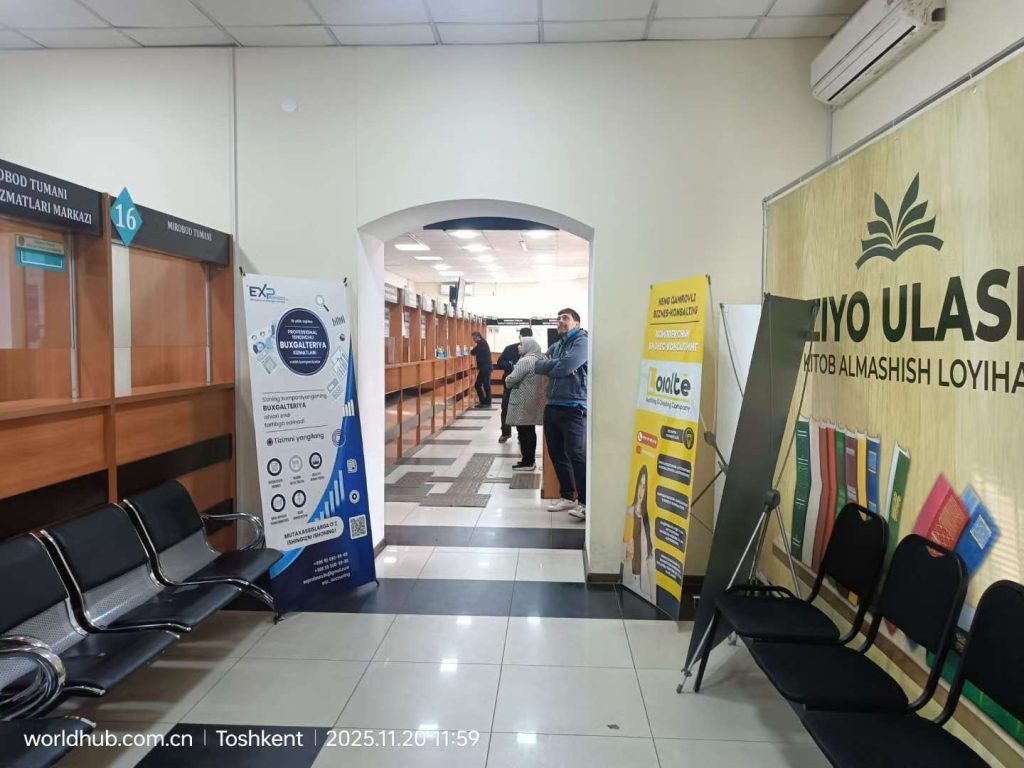
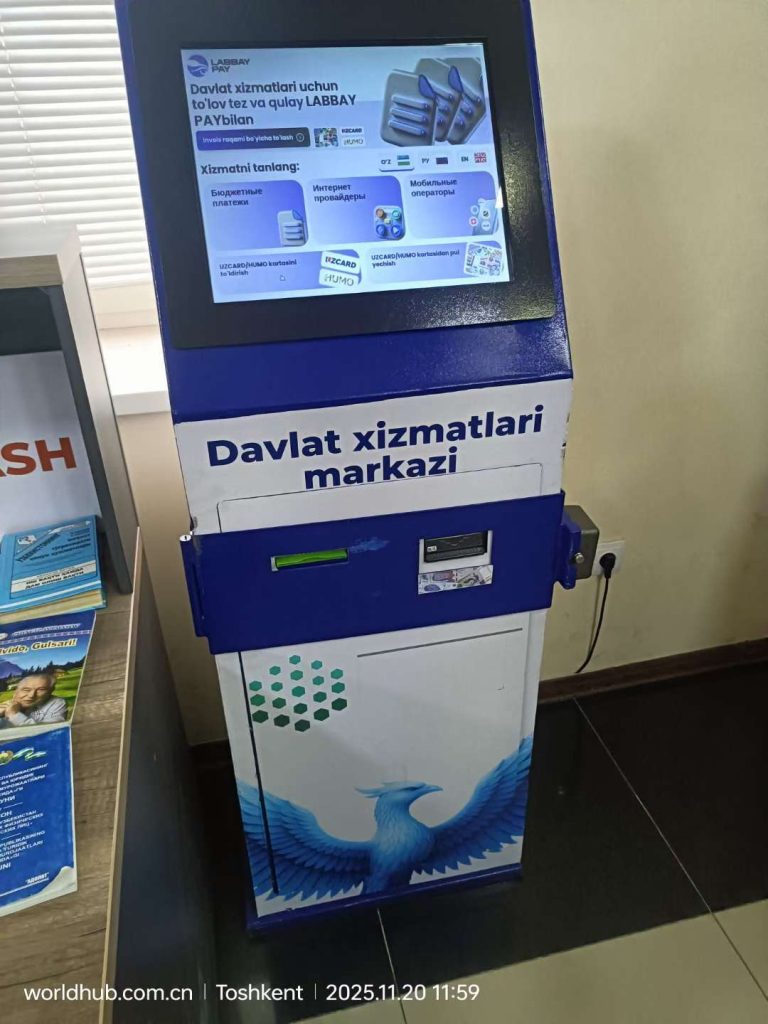
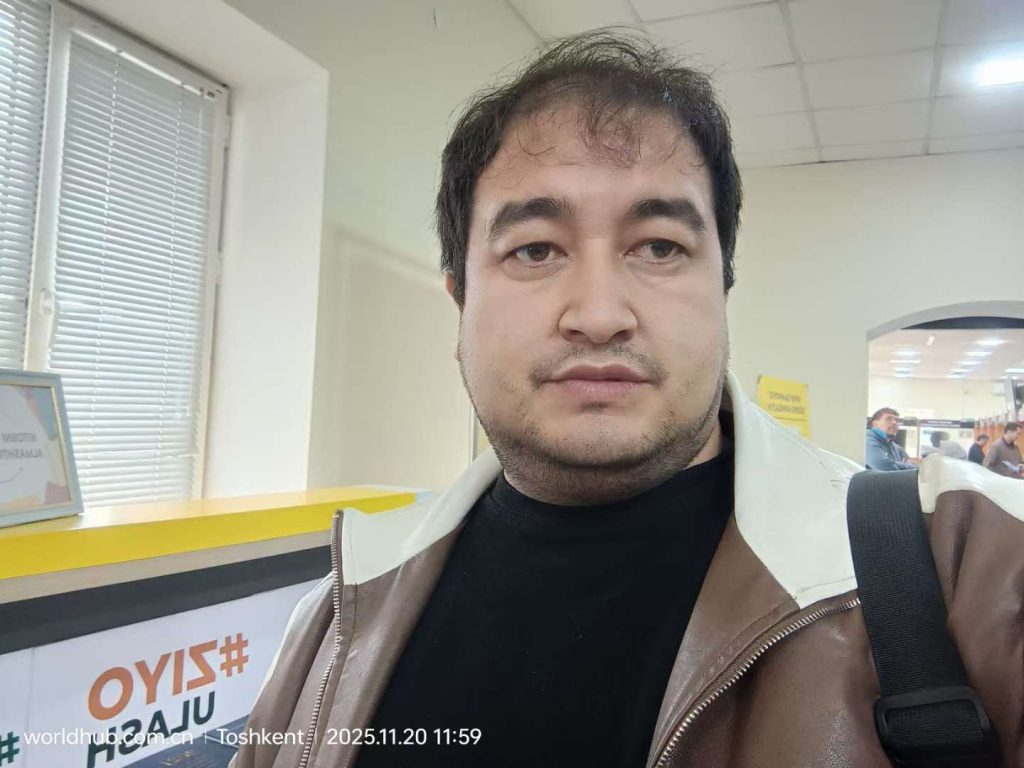
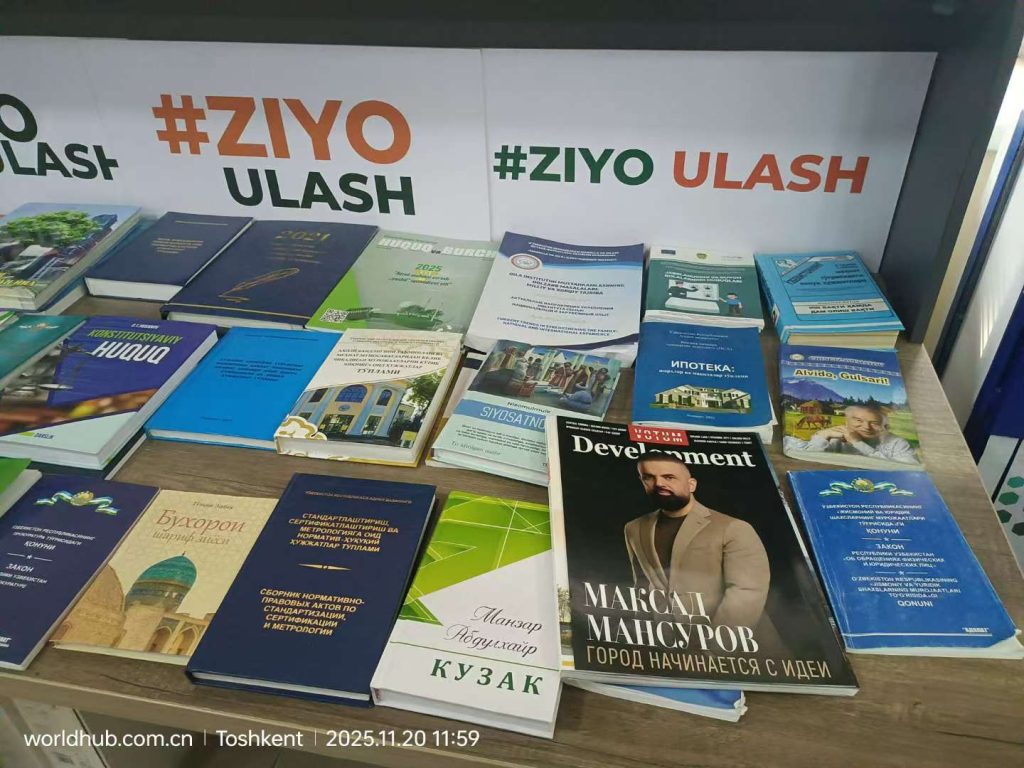
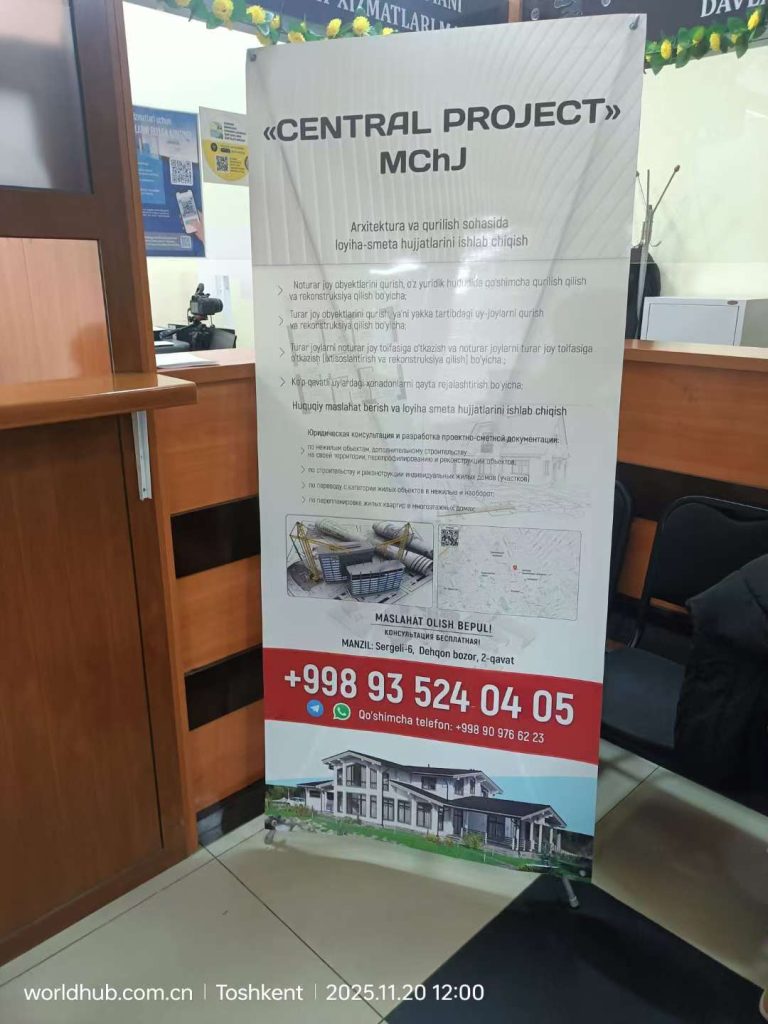
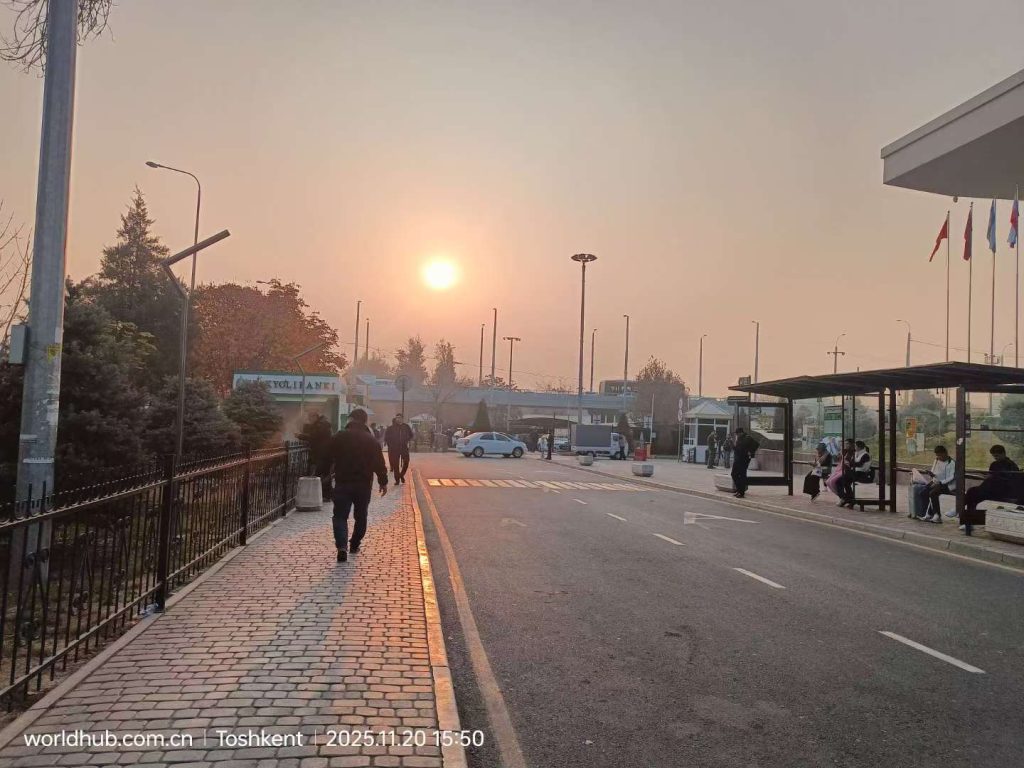
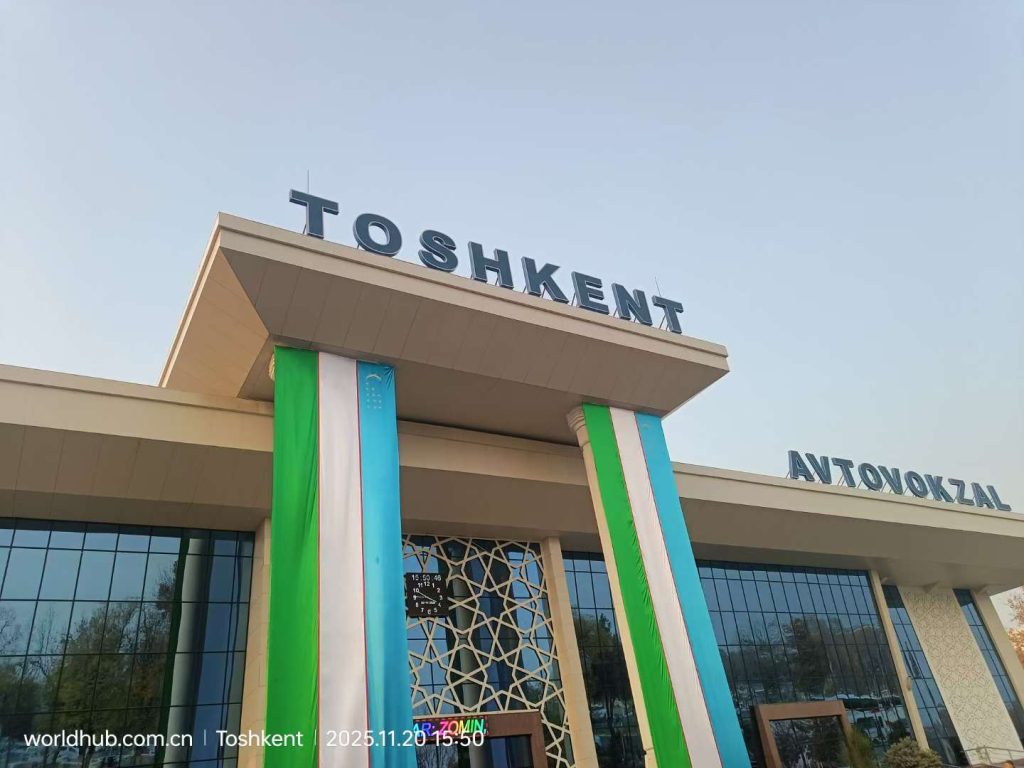
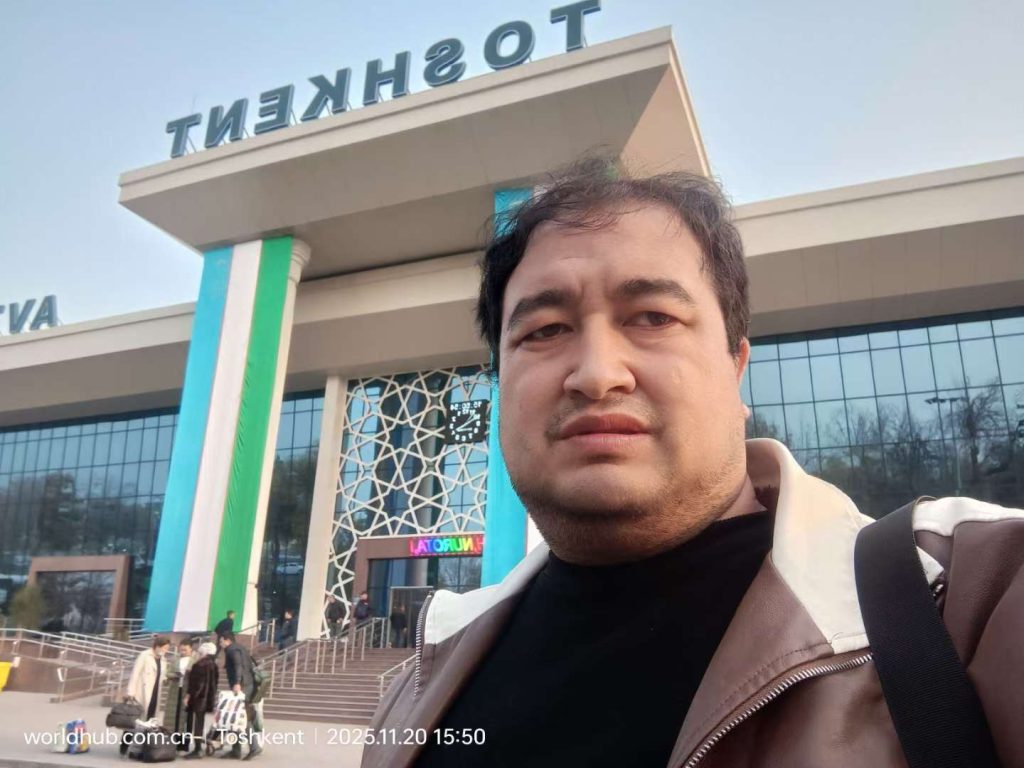
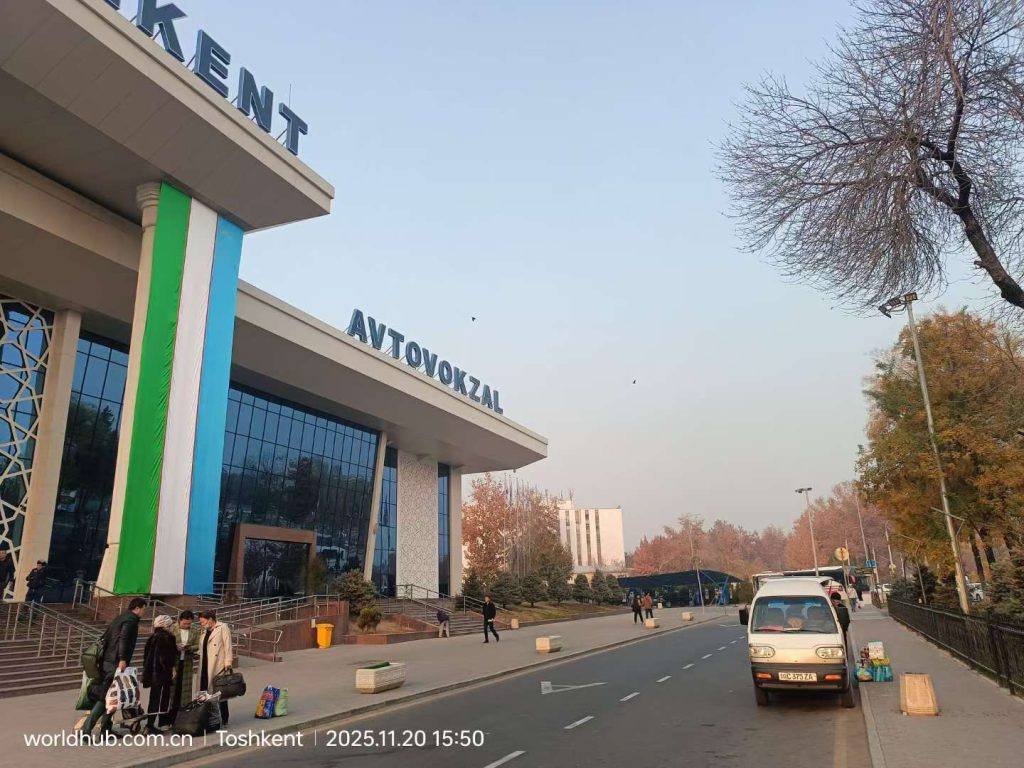
The following morning, my first stop was For Pinef Profile, located at the Mirobod Government Public Service Center. This visit was crucial: I coordinated with the relevant departments on administrative formalities related to business registration and project approval, verified the completeness and compliance of relevant business documents, and communicated extensively with government staff to clarify local regulatory requirements for foreign-invested projects. This step was essential to ensuring the smooth development of future business endeavors for “WorldHub” in Uzbekistan, as it laid a solid foundation for legal and compliant operations. In the afternoon, I proceeded to Tashkent International Station—a key transportation hub that connects Tashkent to major cities across Uzbekistan and neighboring countries, with a constant flow of passengers and a lively atmosphere. Upon my arrival, I purchased two bus tickets for the return trip to Almaty City, carefully confirming the departure time and seat details to ensure a convenient and hassle-free journey back after wrapping up all scheduled tasks in Tashkent.
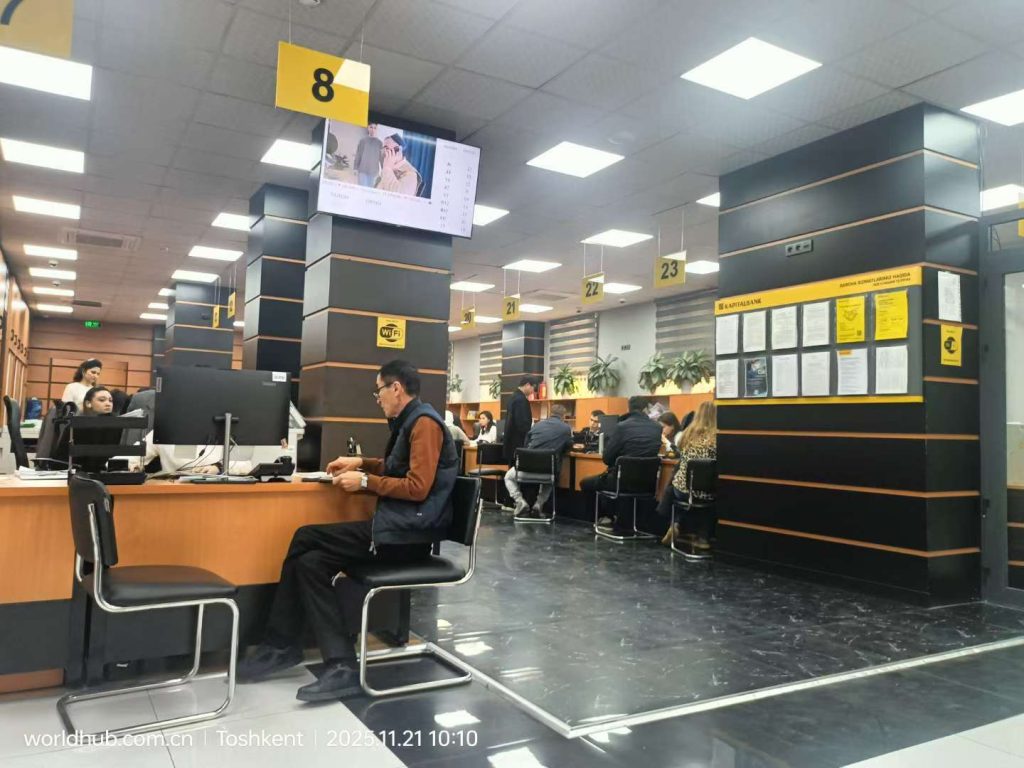
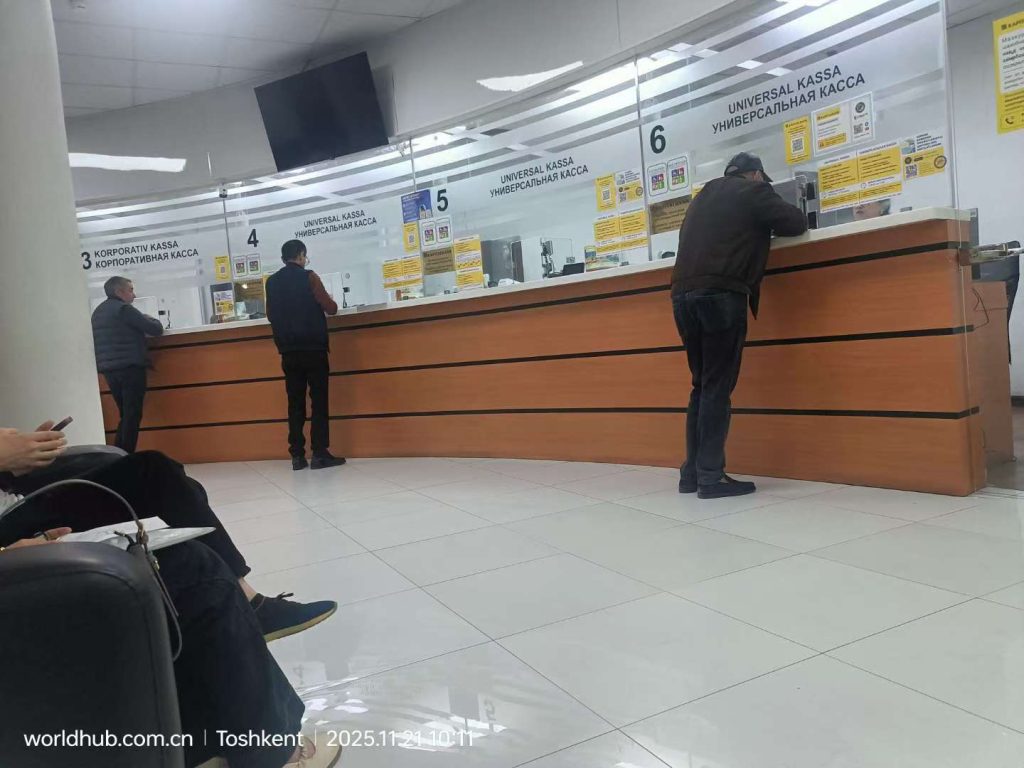
On the morning of the third day, I planned to visit Kapital Bank, one of the leading financial institutions in Uzbekistan. This visit aimed to discuss potential financial cooperation opportunities: exploring solutions for cross-border payment services (a critical need for the “WorldHub” B2B platform), inquiring about corporate account services tailored for foreign businesses, and understanding the local financial policies that may impact the project’s future operations. As a trusted local bank, Kapital Bank’s insights would be invaluable for optimizing the financial layout of “WorldHub” in Central Asia and ensuring the smooth flow of funds for business transactions.
In Tashkent, and across Central Asia, the name Magic Street is synonymous with “Fashion,” “Trend,” and “Quality.” You are the commercial pulse of this city, the bridge connecting Uzbekistan to international style, and the driving force behind the local fashion retail industry’s growth. But in the face of an increasingly globalized and competitive market, have you ever been troubled by the following challenges that hinder your business expansion? · Struggling to find cutting-edge styles and exclusive supply sources, always a step behind competitors in capturing market trends?· Facing volatile international logistics, frequent delays, and high procurement costs that constantly squeeze your profit margins and reduce operational efficiency?· Suffering from a lack of transparency in traditional purchasing processes, where each order feels like a “blind box” with uncertain product quality, unclear delivery times, and hidden risks? The time has come to break through these bottlenecks and embrace a new, future-oriented business model that empowers your growth. WorldHub Wholesale Market – We are not just a marketplace; we are your dedicated “Future Engine” for global supply chains. By integrating high-quality suppliers from across the globe with local retailers like you, we aim to eliminate intermediate links, optimize logistics costs, and provide transparent, efficient, and cost-effective procurement solutions. For Magic Street partners who have long been committed to delivering fashion and quality to Tashkent, WorldHub is more than a platform—it is your strategic ally to stay ahead of trends, reduce operational risks, and unlock new growth opportunities in the Central Asian market.
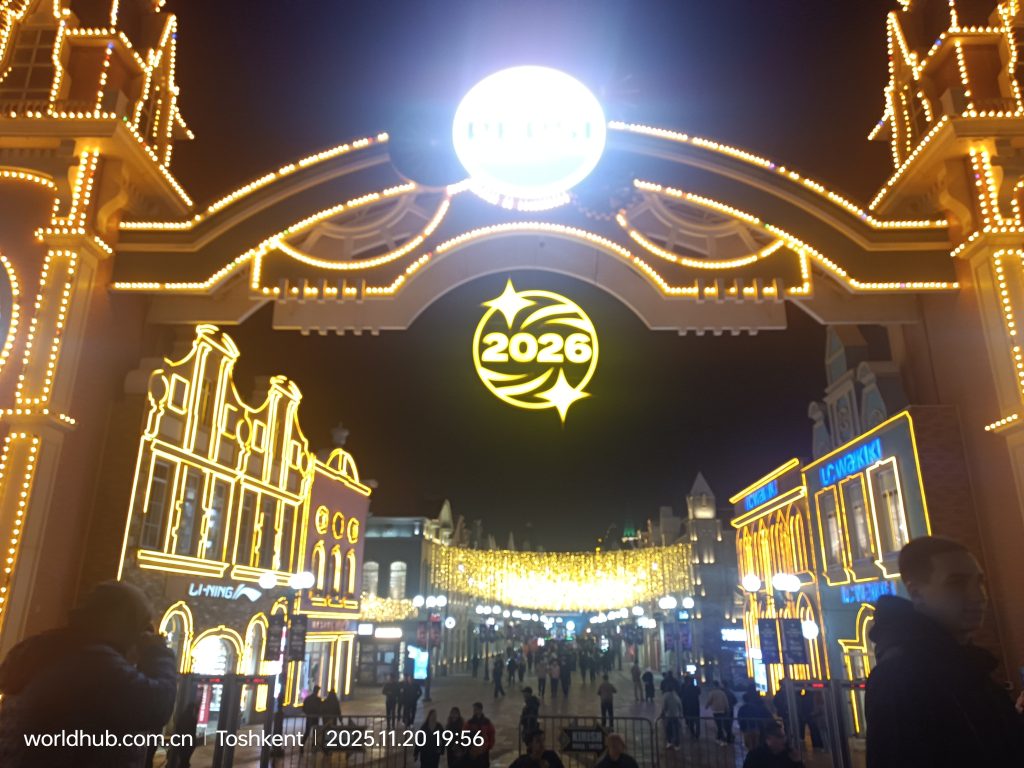
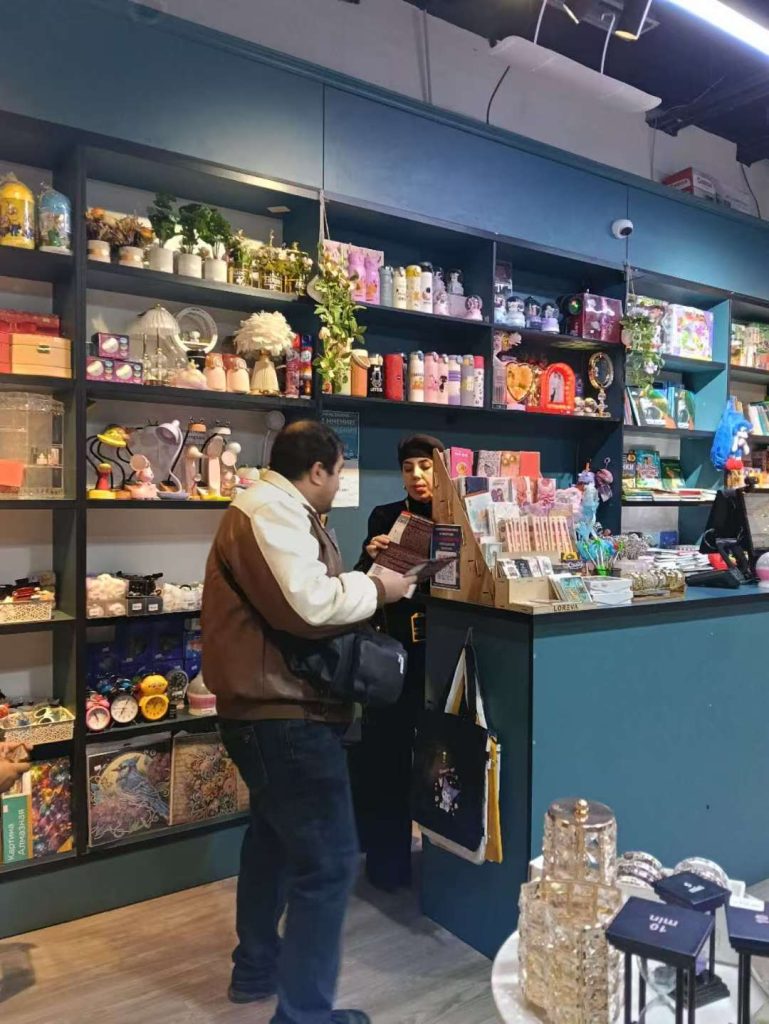
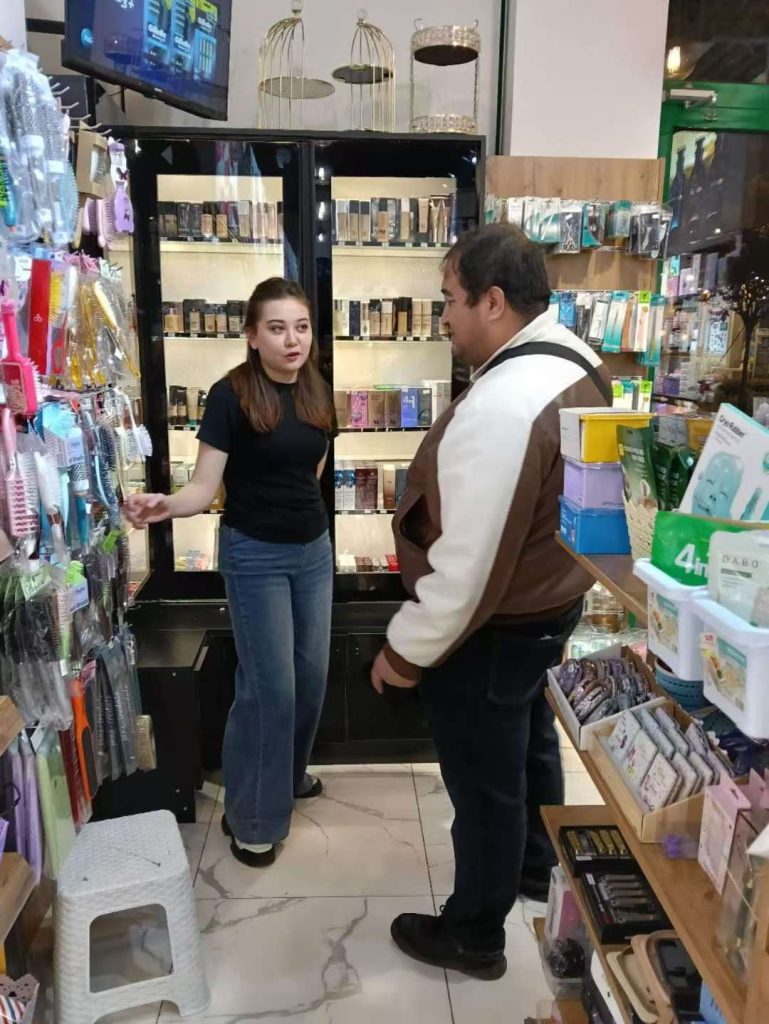
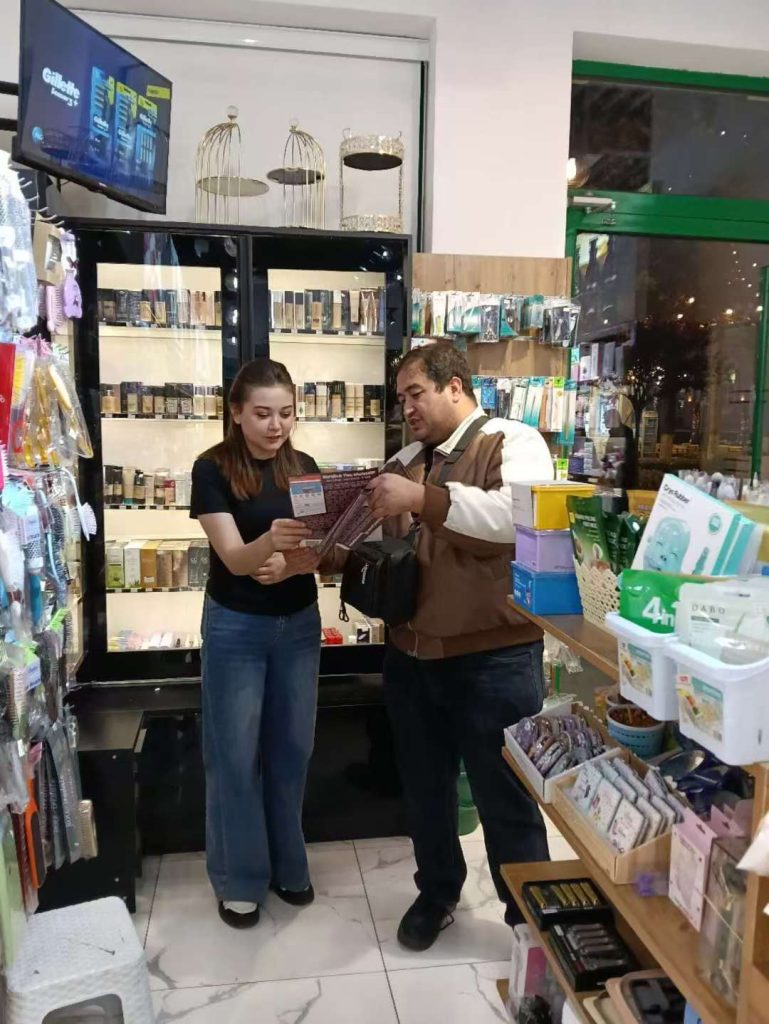
The Malika Bazaar of Tashkent the day before yesterday was bustling with activity. The dazzling array of electronic products and the familiar business atmosphere instantly transported me back to my hardworking years in my hometown.
Back then, my battlefield was the computer mall. Every day, I dealt with a wide variety of customers, recommending the most suitable desktop computers, the lightest laptops, and even building stable server solutions for enterprise clients. It was a business rooted in physical presence and reliant on face-to-face communication, where every successful deal was built on solid trust and professional advice.
Time flows, and now I stand in the heart of Uzbekistan — Tashkent. The electronics market here is equally vibrant, yet the ecosystem is entirely different. Shops are filled with various brands of smartphones, computer accessories, colorful phone cases, and piles of consumables like charging cables. It feels more like a massive, lively distribution center for electronic goods, primarily focused on retail, with a fast-paced rhythm.
The purpose of this trip was not to return to offline sales but to undertake a new mission — expanding online channels for our company. I spent the entire daying through this vast market, visiting every shop one by one.
I met and conversed with shop owners,talking the B2c e-commerce platform we have built. This platform aims to connect their abundant offline inventory with a broader online market. What I handed them was not just a flyer, but an invitation — a possibility for improved efficiency, channel expansion, and future collaboration.