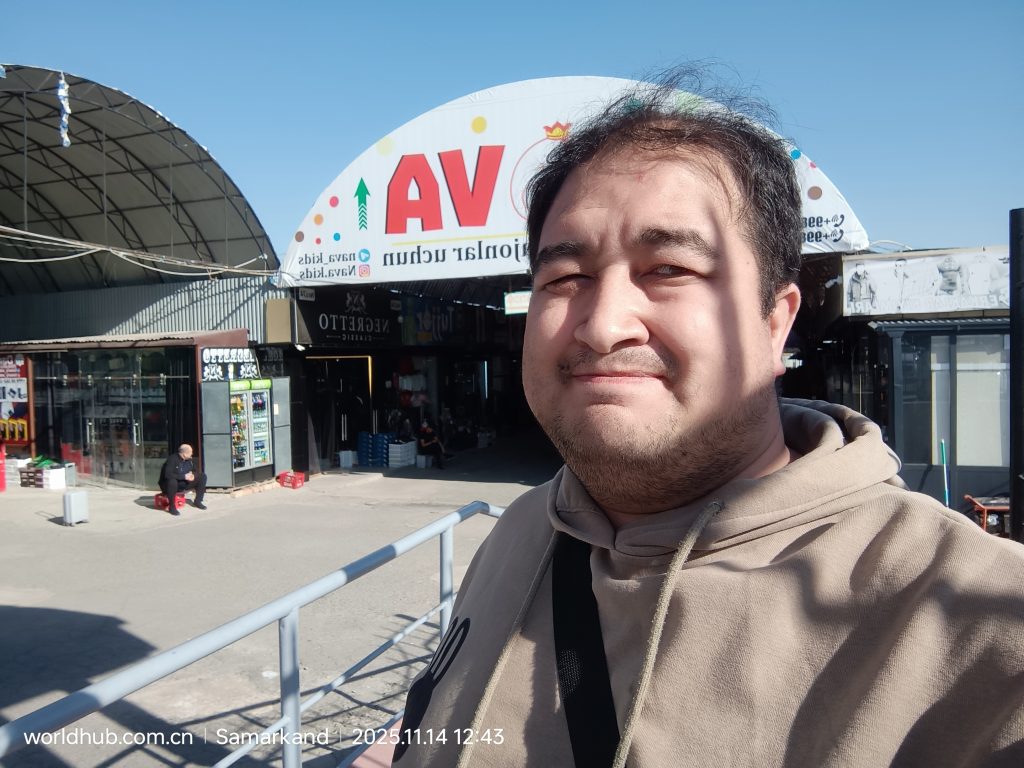
I AM MR AOSIMAN TUOHESUN FROM ZEPU COUNTY,XINJIANG,CHINA,COMPANY AT YIWU CITY ,ZHEJIANG PROVINCE。
Investigation Report on Tashkent Wholesale Markets, November 12, 2025
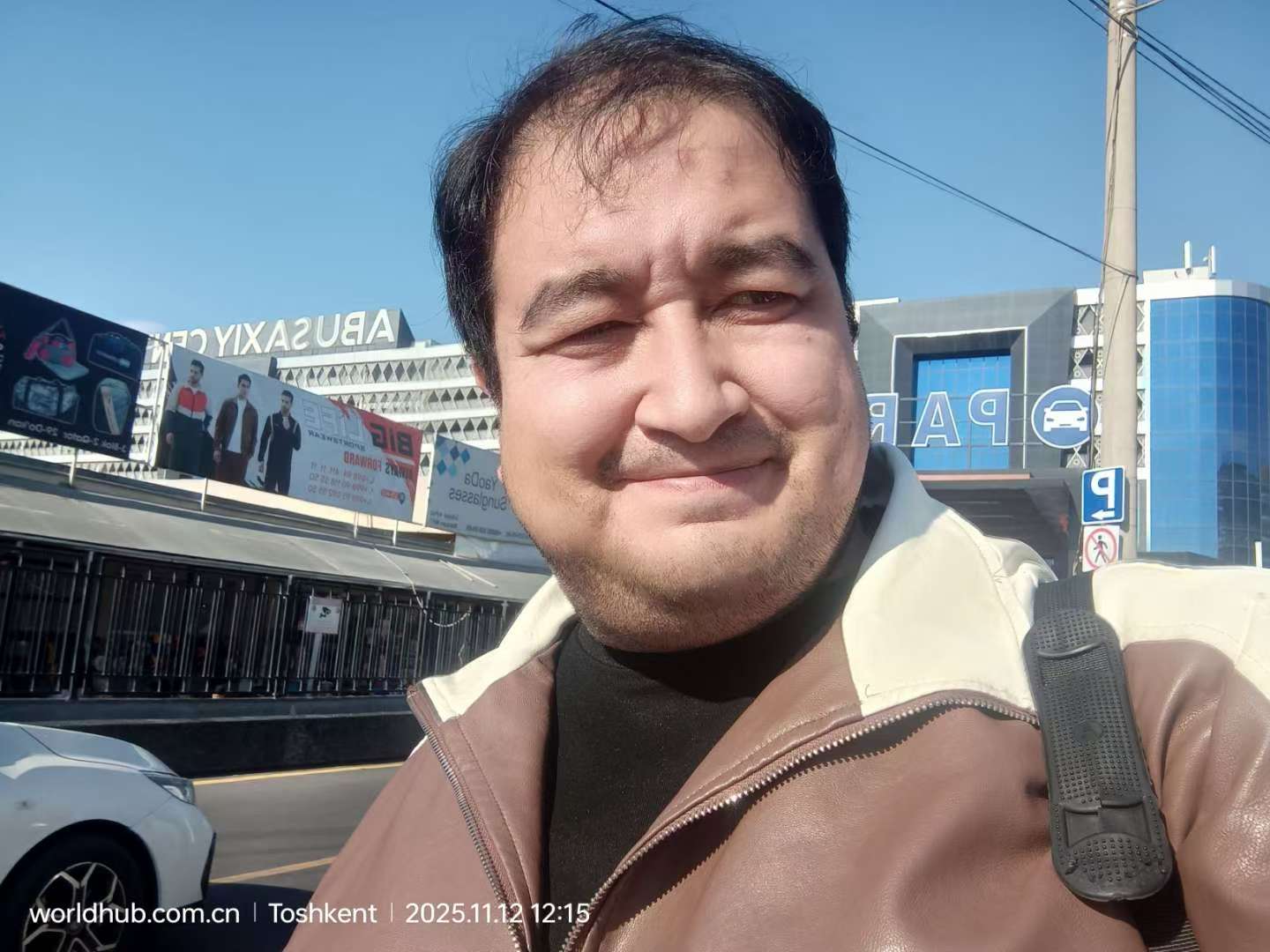
On November 12, 2025, taking advantage of the prime trading hours of local markets, I launched an in-depth investigation tour of the core wholesale markets in Tashkent. I successively visited two well-known commercial hubs: Qilanzar Market and Abu Sahiy (on uzbek language called abu saxiy)Market. Equipped with a large number of promotional leaflets, I engaged with various merchants in an immersive way, fully promoting the core advantages of the WorldHub Wholesale Market and its online client.
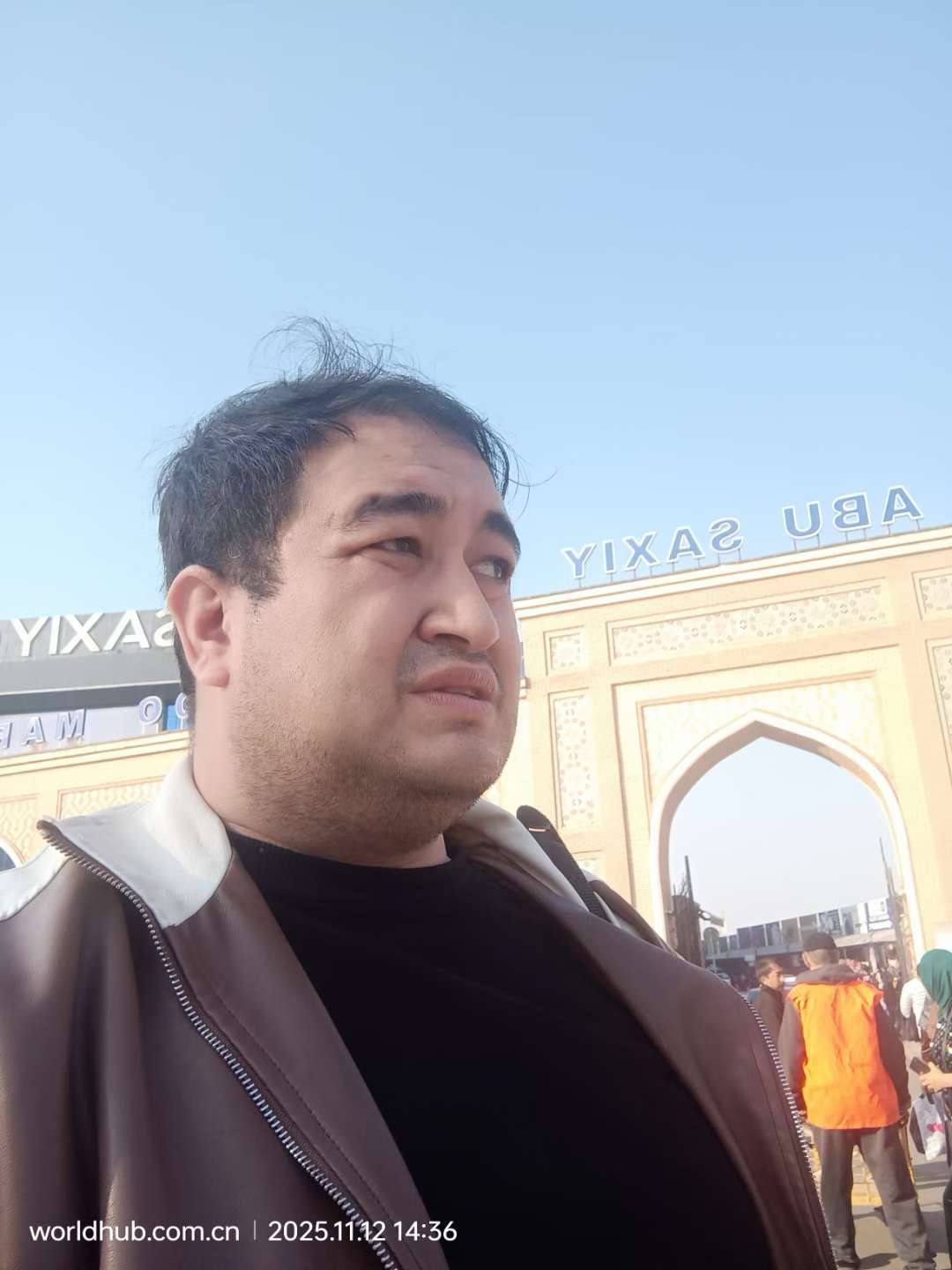
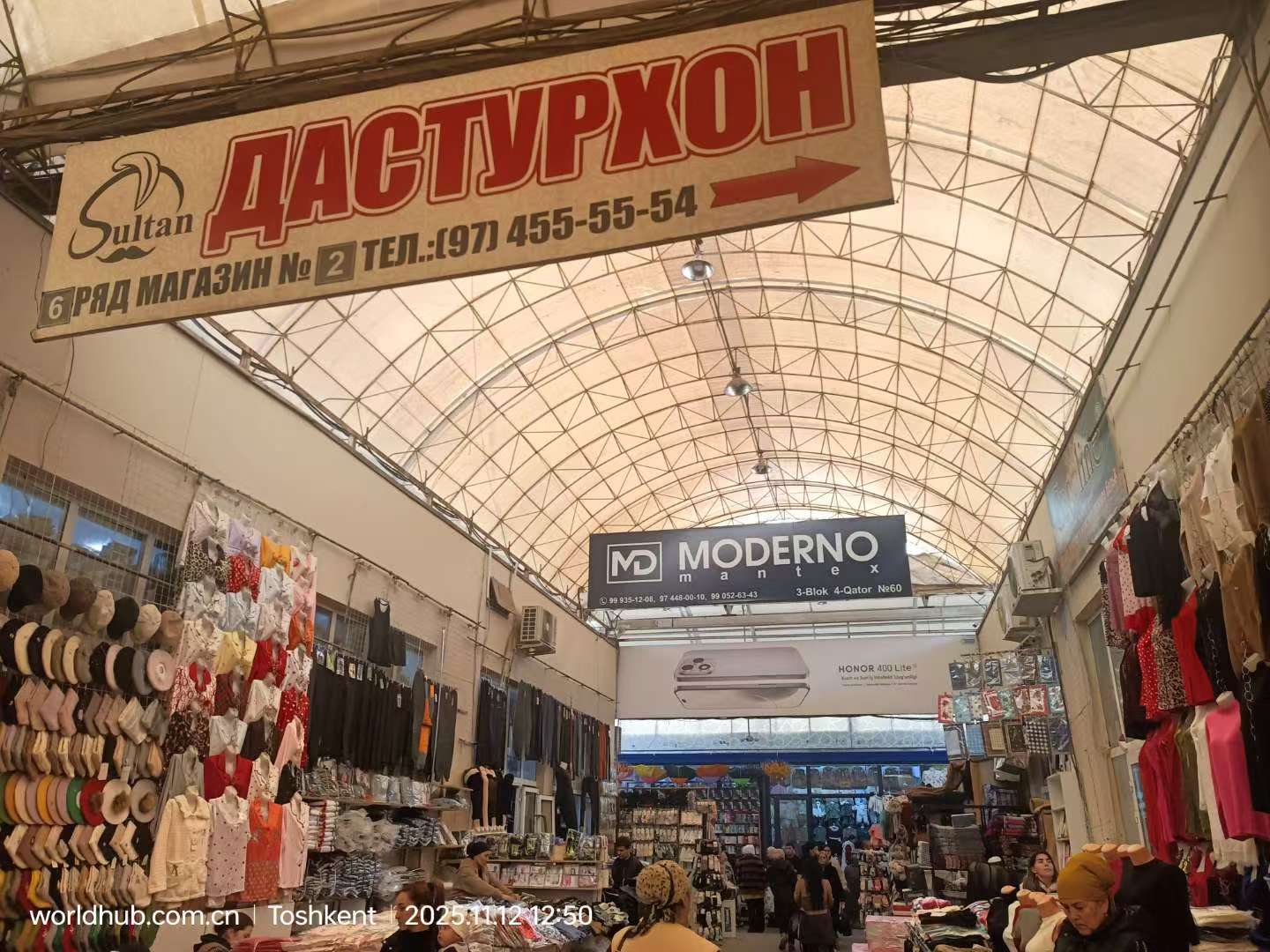
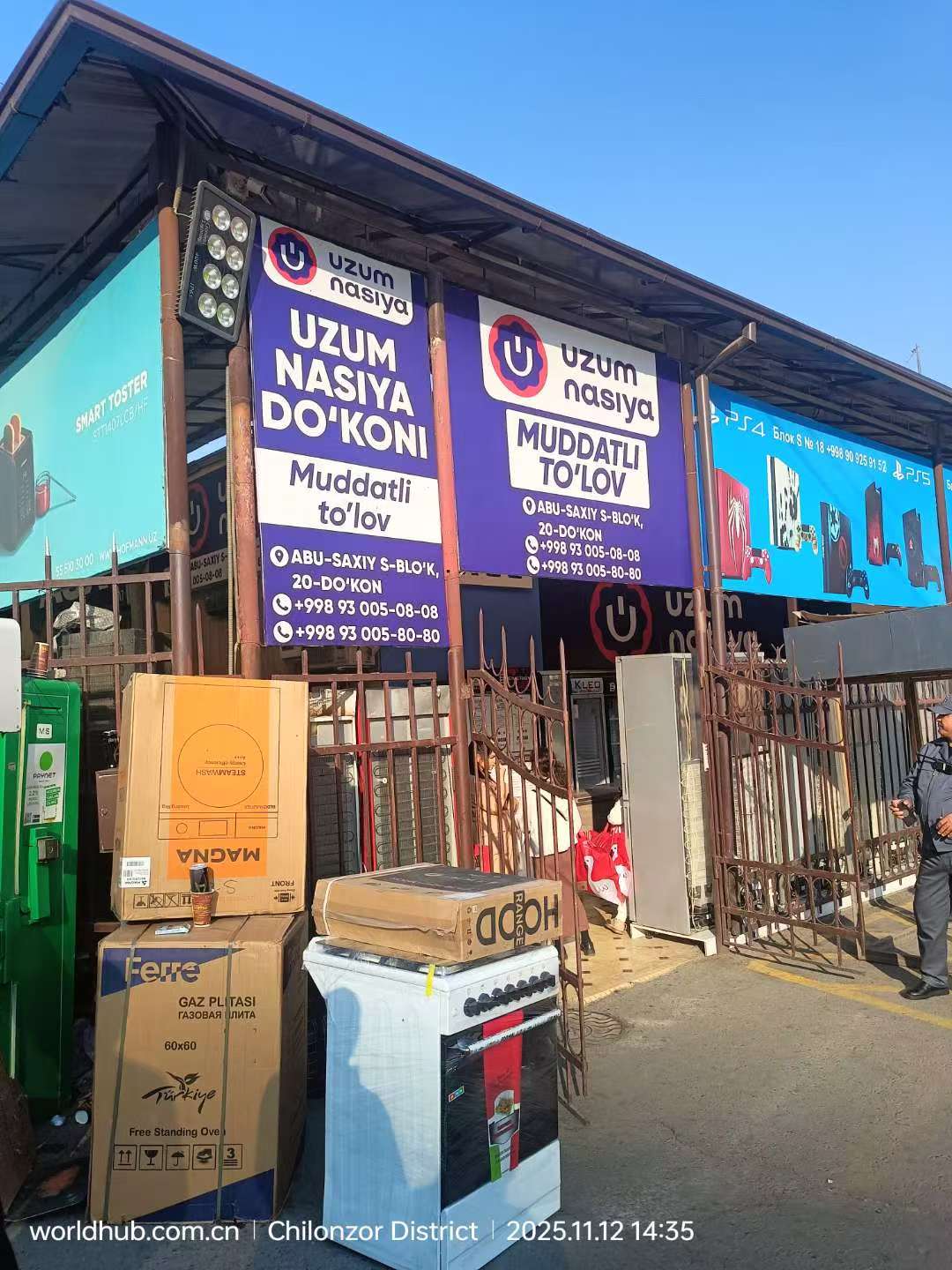
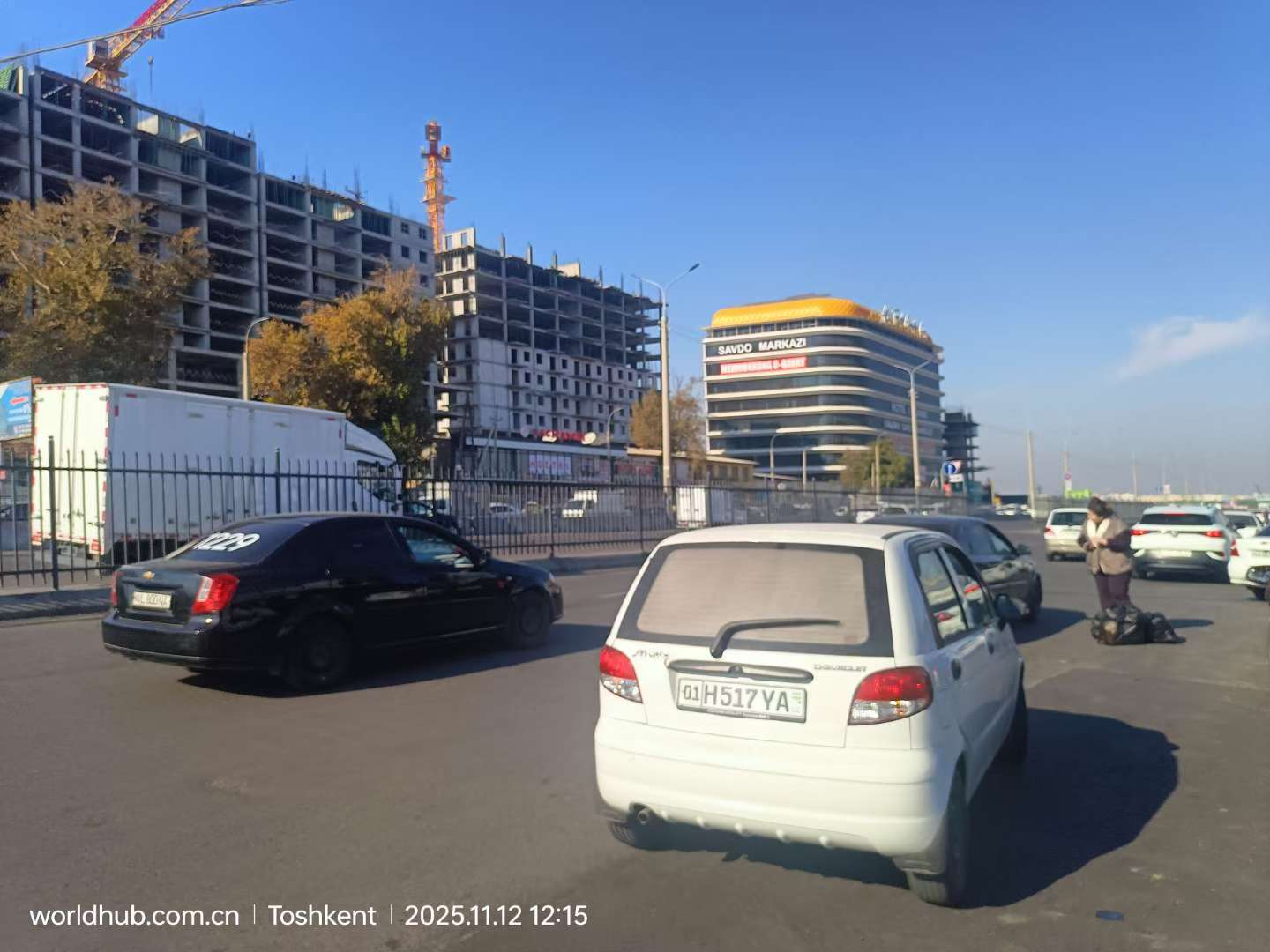
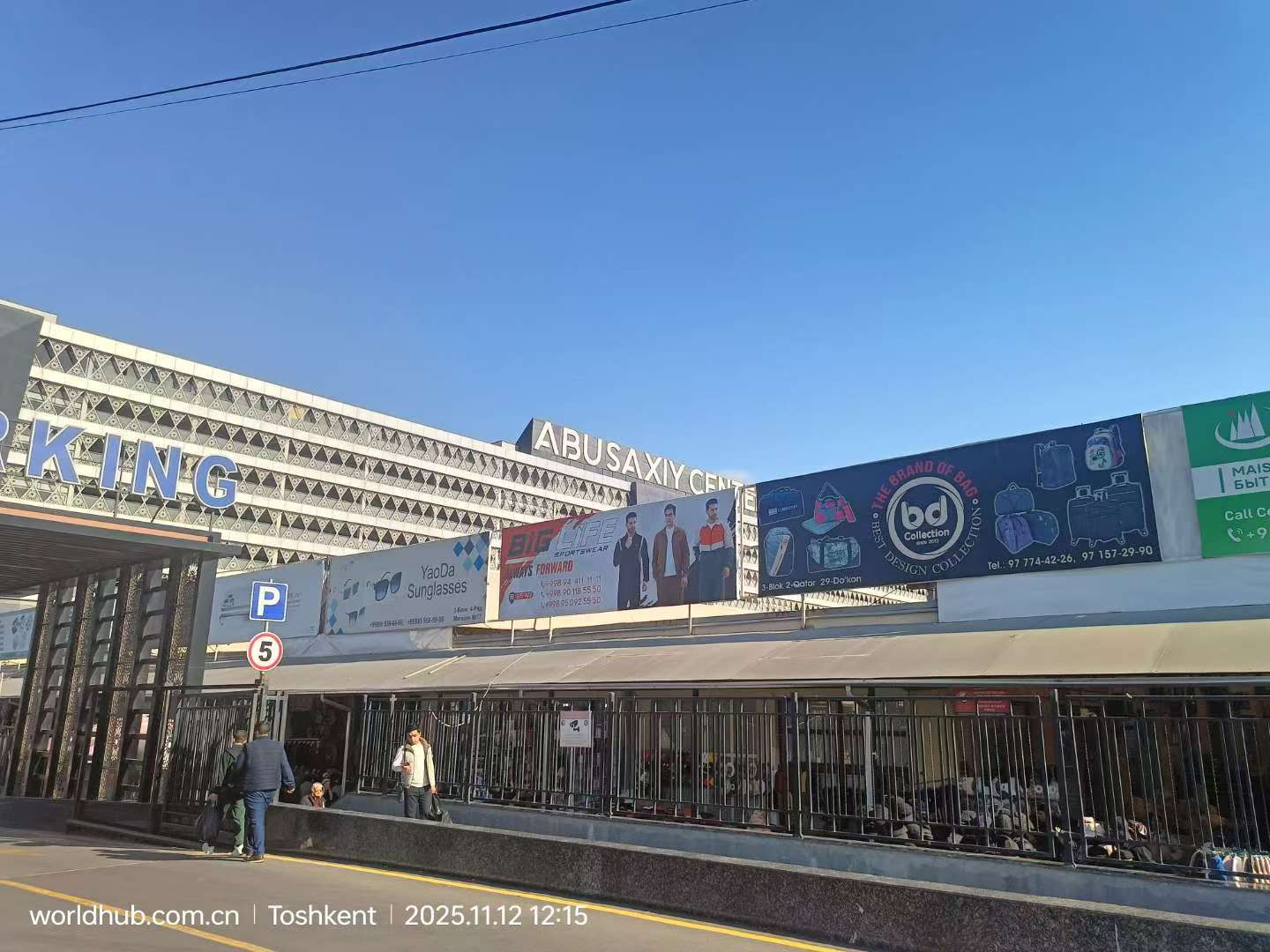
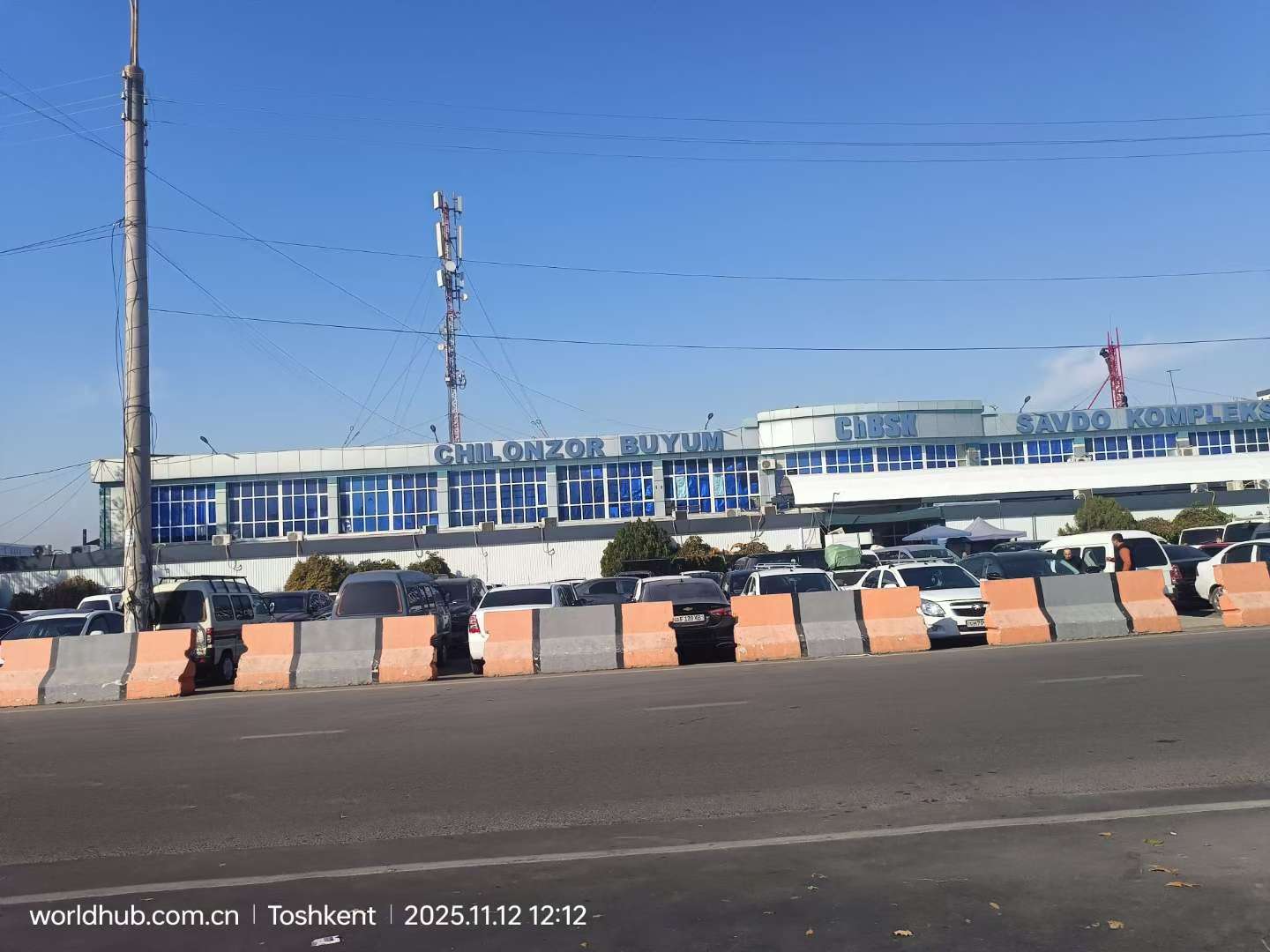
As the coolness of night faded away in the early morning, Qilanzar Market was already bustling with crowds. As one of the leading comprehensive wholesale markets in Tashkent, it features a clear zoning layout. Covering an area of 20-30 hectares, the market gathers commodities from local areas, China, Turkey and other countries. The cries of vendors and the haggling of customers interweave into a unique urban melody. I visited each scattered container-style stall one by one, focusing on connecting with a number of men’s and women’s underwear stores. The store owners showed strong demand for high-quality bra and underwear supplies, with particular attention to fabric comfort and fashionable designs. During the communication, I learned that local women pursue both practicality and aesthetics in underwear, while local suppliers are slow in updating designs. Taking this opportunity, I detailed the rich variety of underwear on the WorldHub platform, emphasizing its price advantage of direct connection to high-quality Chinese factories and the wholesale policy of “larger quantity, better price”. Many store owners took the promotional leaflets on the spot and carefully inquired about the delivery cycle and quality assurance.
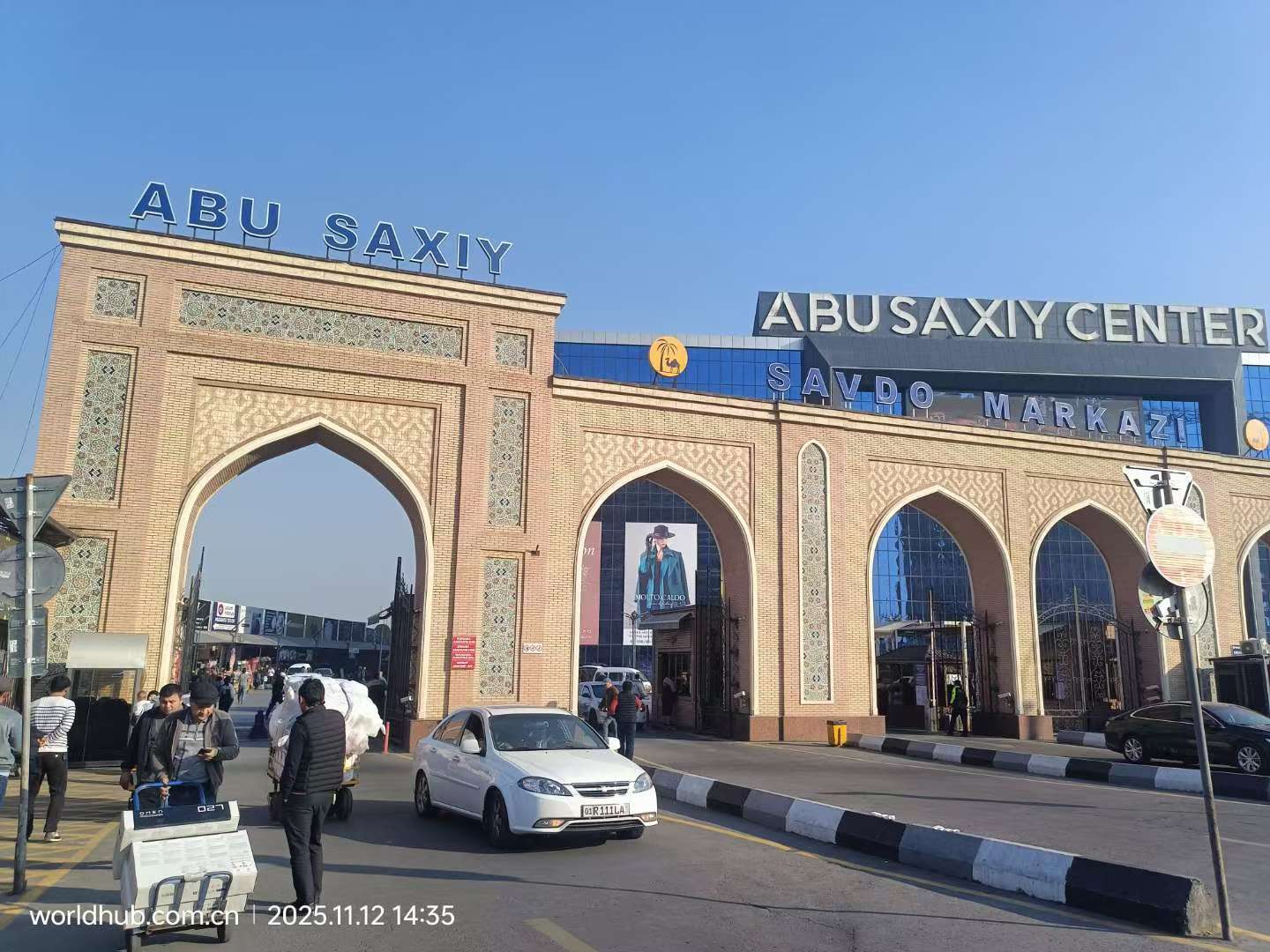
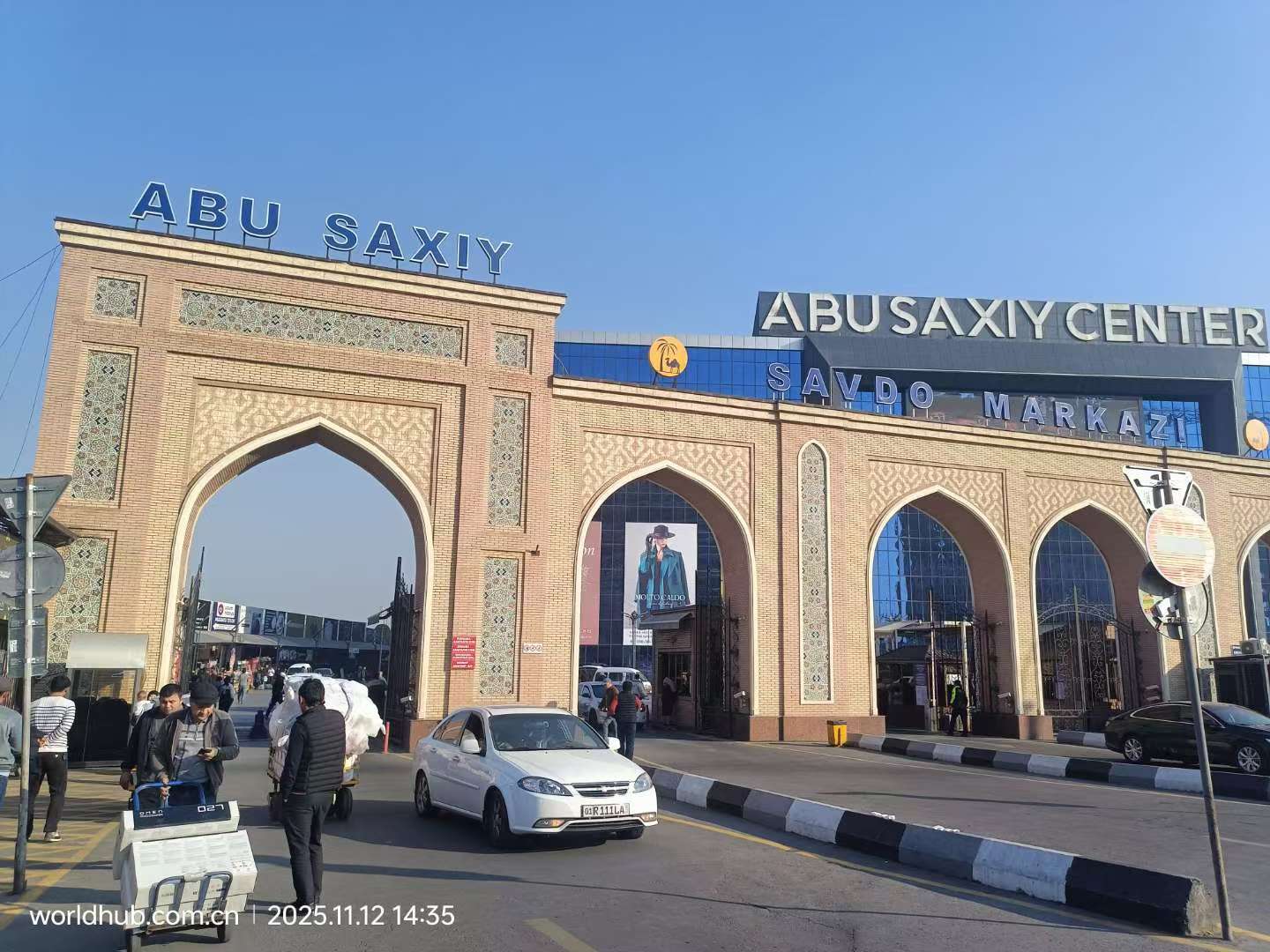
After leaving Qilanzar Market, I hurried to Abu Sahiy Market — a comprehensive people’s livelihood commercial center with over 3,000 stalls, which can be called a core window for insight into Uzbekistan’s retail market. Adopting a two-way circulation model of “retail + wholesale”, the market offers a wide range of commodities, from clothing trim accessories, small electronic products to kitchen tools and women’s jewelry. Especially, Chinese-made textile products and small commodities are quite popular among local consumers. In the clothing accessories area, I had in-depth communication with several merchants engaged in zippers, buttons and lace trims. They all reflected the shortage of high-quality fabrics and characteristic accessories, which coincided with the market pain points I had learned earlier. I showed them the accessories section on the WorldHub platform, introducing the platform’s supply chain integration capabilities and customized services — even niche styles of lace trims can be accurately connected to factory production.
In the small electronic products area and kitchen tool stalls, merchants showed great interest in the cost-effective mobile phone accessories and portable small household appliances on the platform. After learning that the prices of these products are 30%-50% lower than those in local shopping malls, many store owners took the initiative to request the installation of the WorldHub client. I patiently guided them to download it by scanning the QR code, demonstrating the account registration, category search and order placement processes step by step to ensure that each user could operate it proficiently. Subsequently, I visited hat and handbag stores as well as women’s jewelry stalls, and found that local women have a strong demand for exquisite jewelry and fashionable handbags, with the average transaction price ranging around a dozen RMB. The rich styles and customized services on the WorldHub platform can perfectly meet this market demand. In the office supplies sample area, facing merchants engaged in pens and notebooks, I focused on promoting the bulk purchase discounts and fast logistics services of the platform. Many merchants marked their intended product categories on the promotional leaflets on the spot.
Throughout the investigation, I always followed local business communication habits: first chatting with store owners over tea to build trust, then bringing up cooperation topics, avoiding being too eager for success. This slow-paced communication method made it easier for merchants to accept, and many took the initiative to share market dynamics and potential needs. From early morning to 4 p.m., the promotional leaflets in my hand were gradually distributed. I contacted nearly 100 merchants in total and successfully guided more than 20 interested customers to install the WorldHub client, covering multiple categories such as underwear, jewelry and small household appliances.
This investigation not only enabled me to directly grasp the supply and demand gaps in Tashkent’s wholesale markets, but also helped more local merchants understand the core advantages of the WorldHub platform through face-to-face in-depth communication. In the future, we will continue to optimize the platform’s product categories, accurately meet local market needs, and contribute to the in-depth development of China-Uzbekistan economic and trade cooperation with more convenient services and more competitive supply sources.