
On February 21, 2016, I paid a visit to a shampoo factory in Zhongshan City, Guangdong Province. The trip, combining on-site inspection and market order negotiation, allowed me to gain an in-depth understanding of the daily operation of the shampoo manufacturing industry and feel the vitality of the local industrial chain. As I stepped into the factory gate, the clean and orderly production area came into view, with workers in uniform busy at their posts in an orderly manner, and the faint fragrance of natural plant extracts lingered in the air, which was quite different from the noisy and pungent impression of traditional factories.


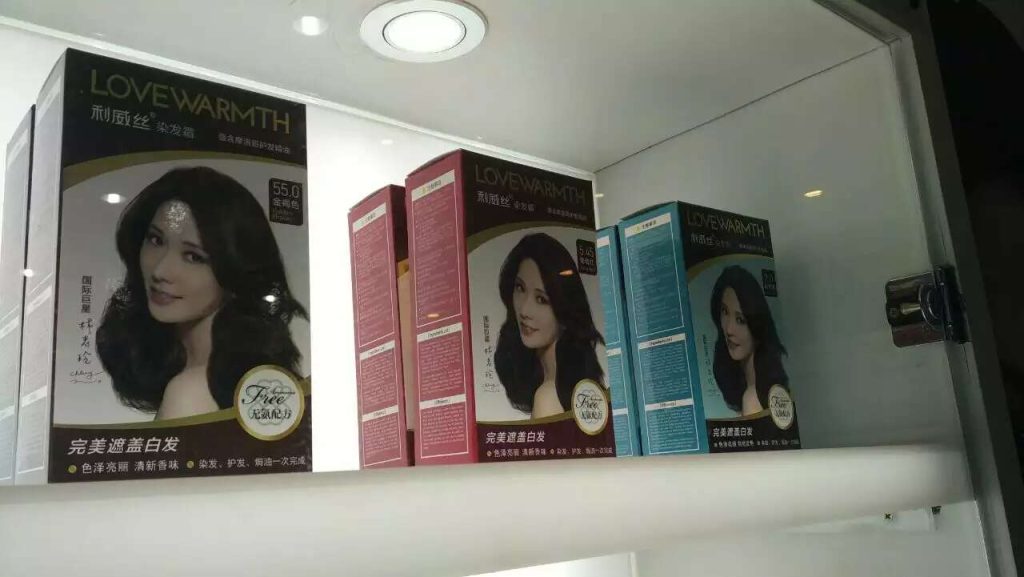
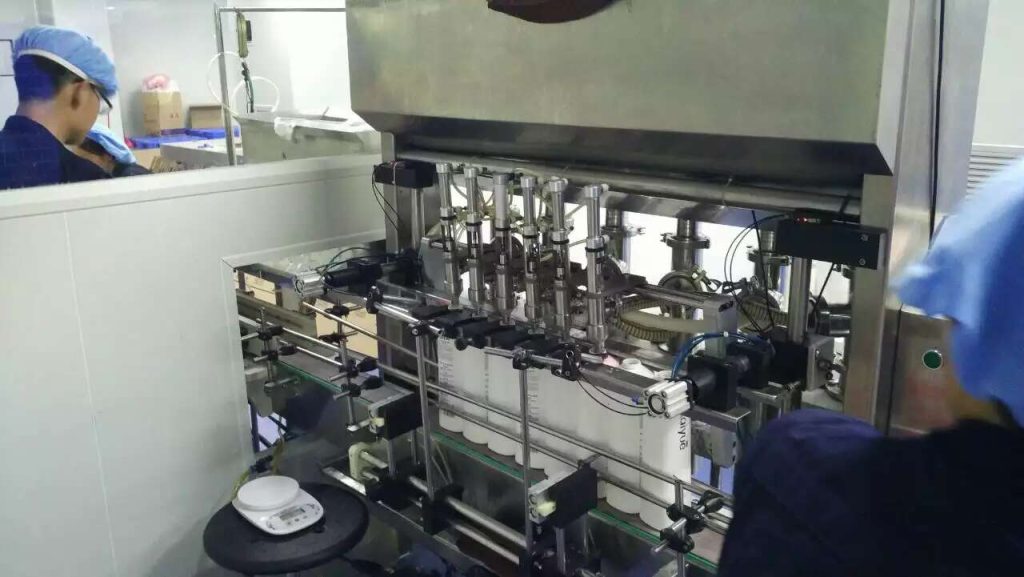
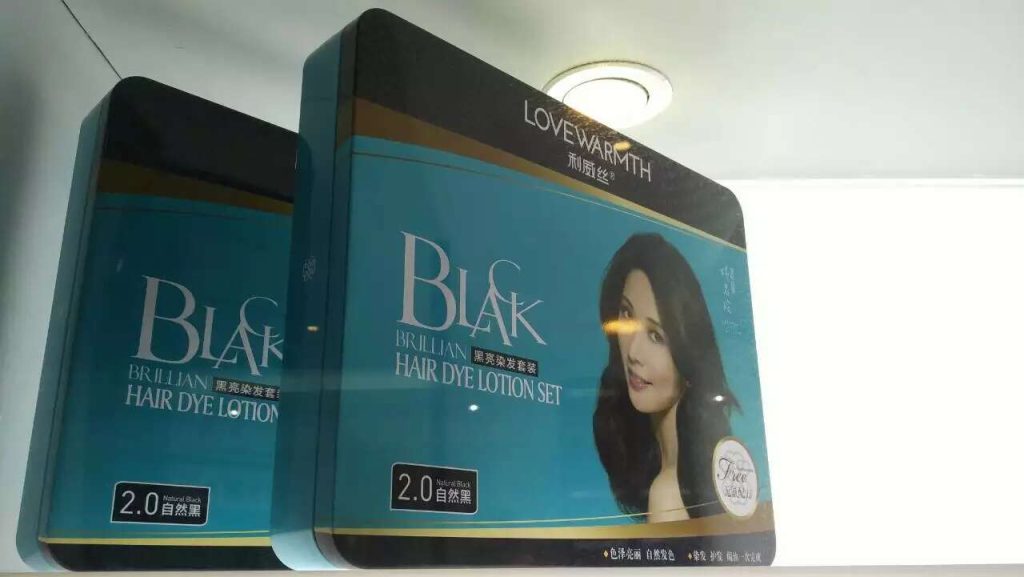
The staff who received me was very professional. Before entering the showroom, they briefly introduced the factory’s development history: founded in the early 2000s, it had grown from a small workshop to a modern enterprise with annual output value of over 100 million yuan, relying on continuous technological innovation and strict quality control. This preliminary understanding made me look forward to the subsequent visit even more. Entering the showroom, the first thing that caught my eye was a large electronic screen displaying the factory’s production process and quality inspection flow, which (intuitively) showed the transparency of the product production. On both sides of the showroom, there were not only finished product displays but also samples of raw materials, including various natural plant oils, amino acids and other ingredients. The staff picked up a bottle of raw material and explained that all their raw materials were purchased from qualified suppliers and had passed multiple safety tests to ensure the mildness and safety of the final products.
During the visit to the showroom, I also noticed that the factory had a number of patent certificates hanging on the wall, covering product formulas, production processes and packaging designs. When I asked about the market competitiveness of the products, the staff took out several sets of market research data and said that their products had a high market share in South China, especially among young consumers, due to their natural ingredients and fashionable packaging. They also actively responded to market demands and launched customized shampoo products for special groups such as pregnant women and the elderly, which had received good market feedback. This detailed introduction made me have a more comprehensive understanding of the factory’s product advantages and market strategy, laying a good foundation for the subsequent order negotiation.