
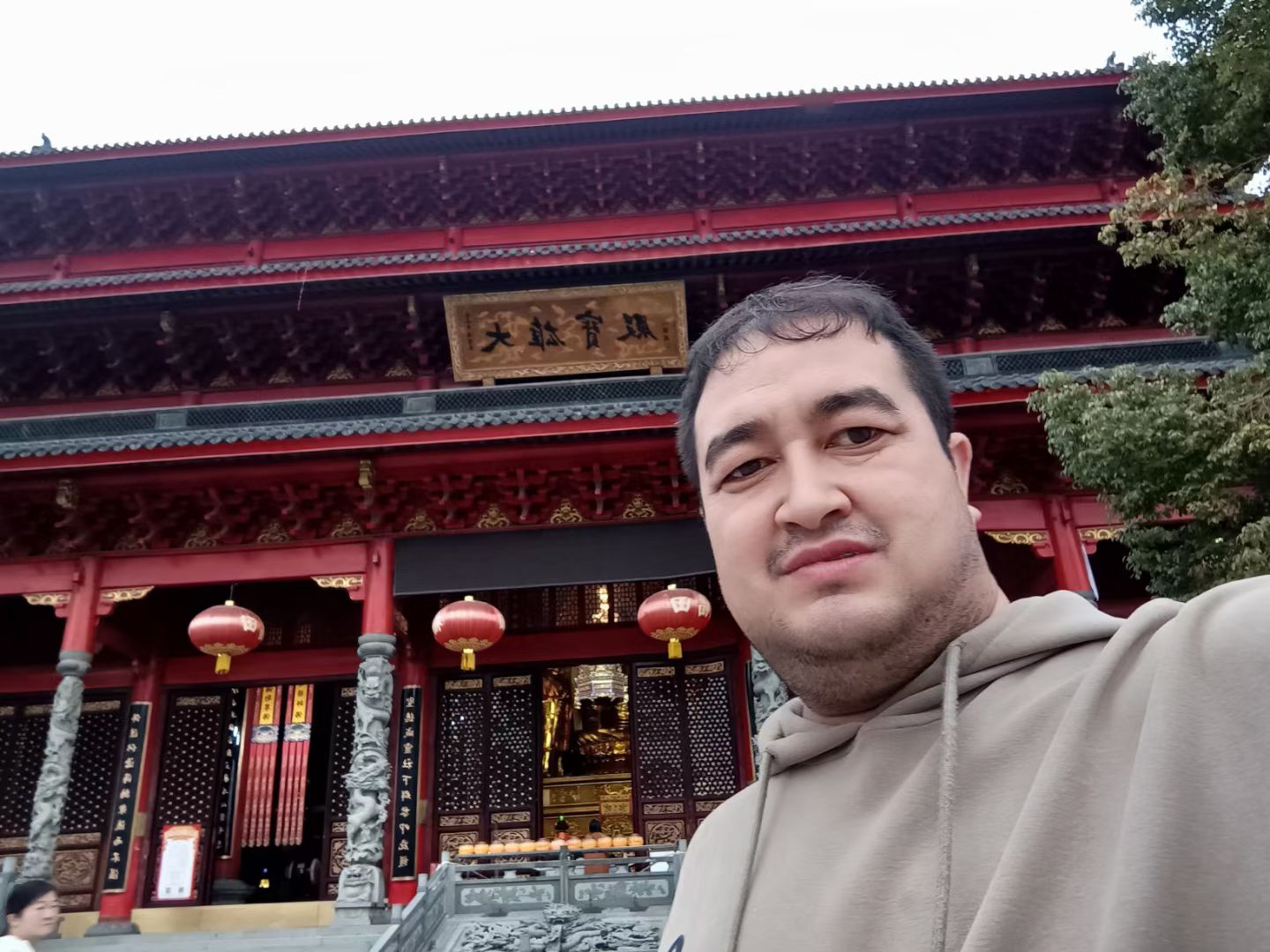
A Time-Honored Temple Rejuvenated: A Visit to Futian Temple in Yiwu
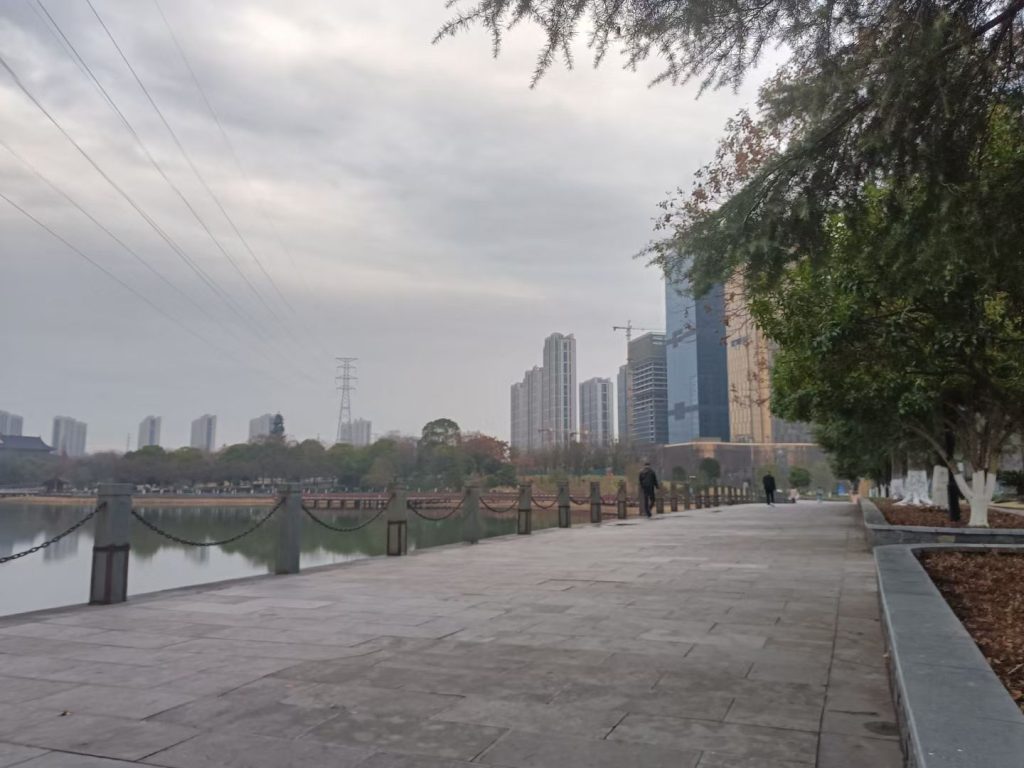
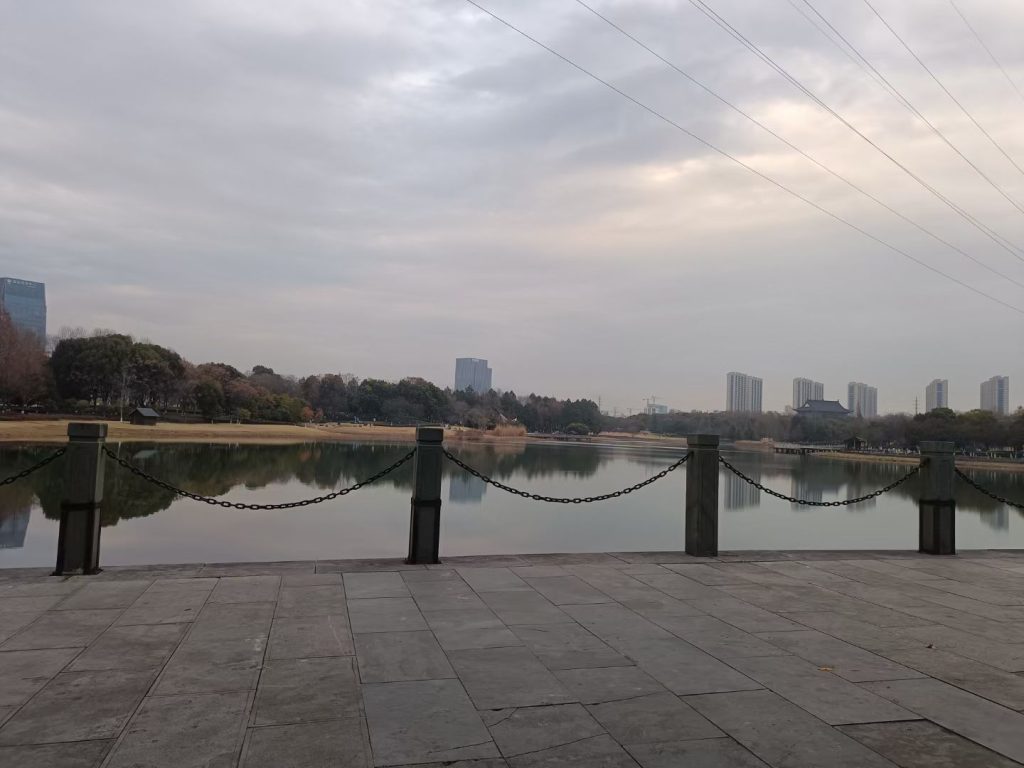
On the afternoon of May 13, 2024, the warm sun cast its slanting rays over the land of central Zhejiang. With deep reverence for this millennium-old temple, I made my way to Futian Temple, located at No. 509 South Shangbo Road, Phase V of the International Trade City, Yiwu City, Zhejiang Province. Nestled in the bustling core of Yiwu’s commodity economy, this temple stands as a tranquil haven with its blue tiles and red walls, shielding visitors from the outside hustle and bustle and emerging as a rare spiritual sanctuary in the urban landscape.
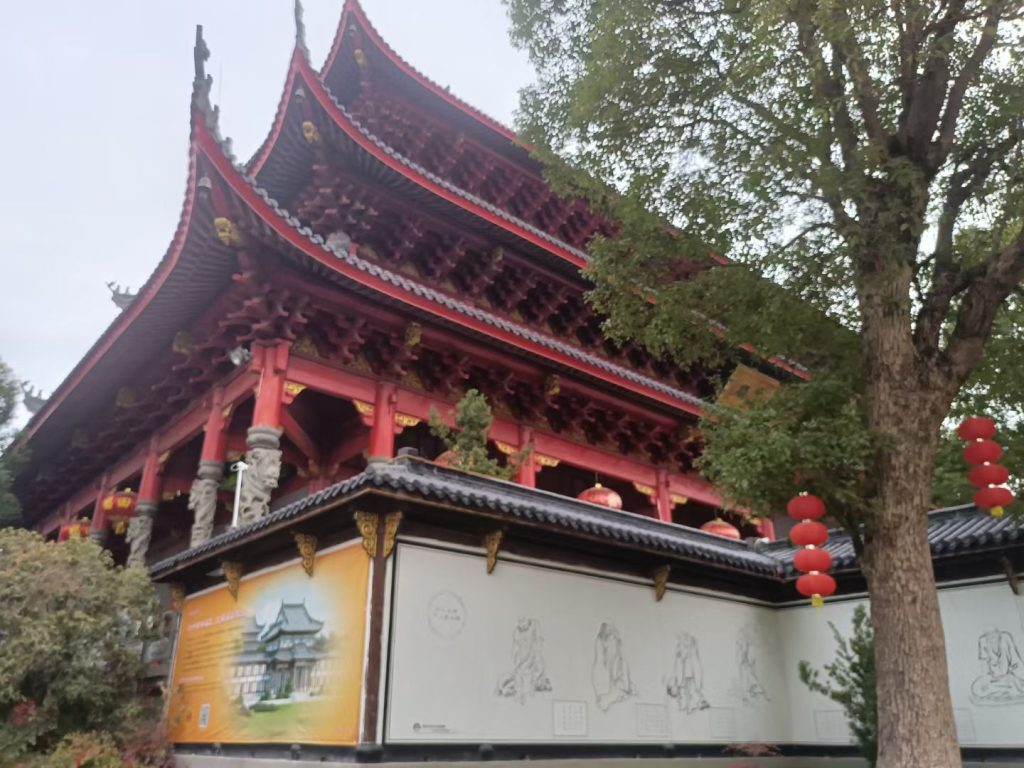
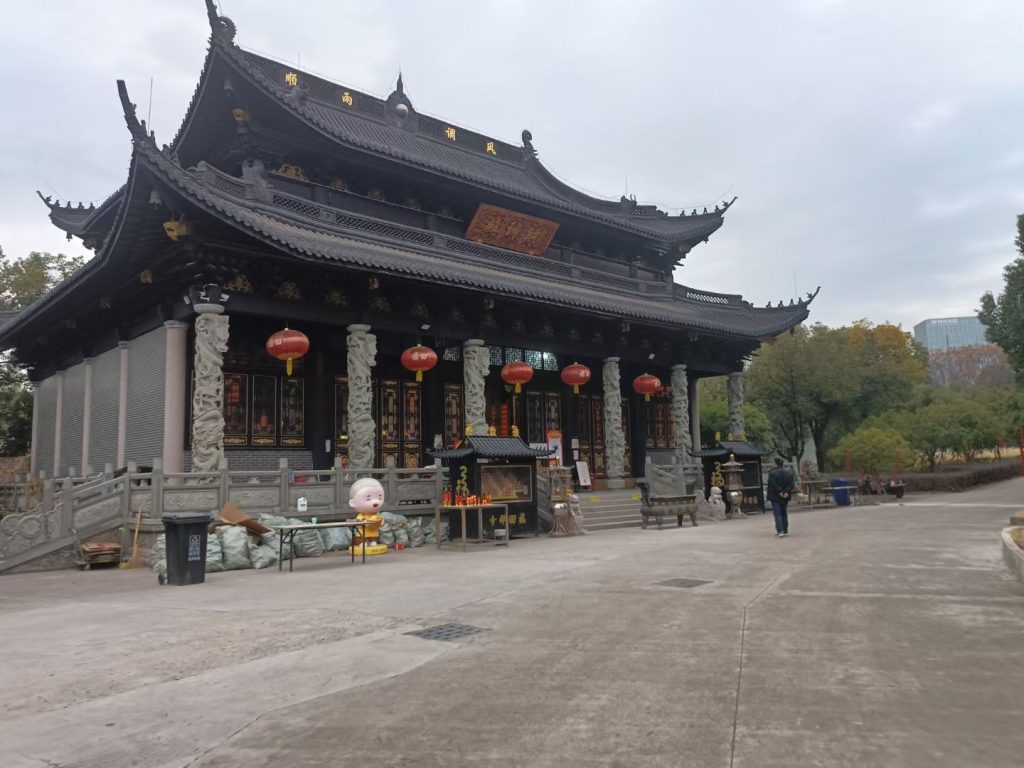
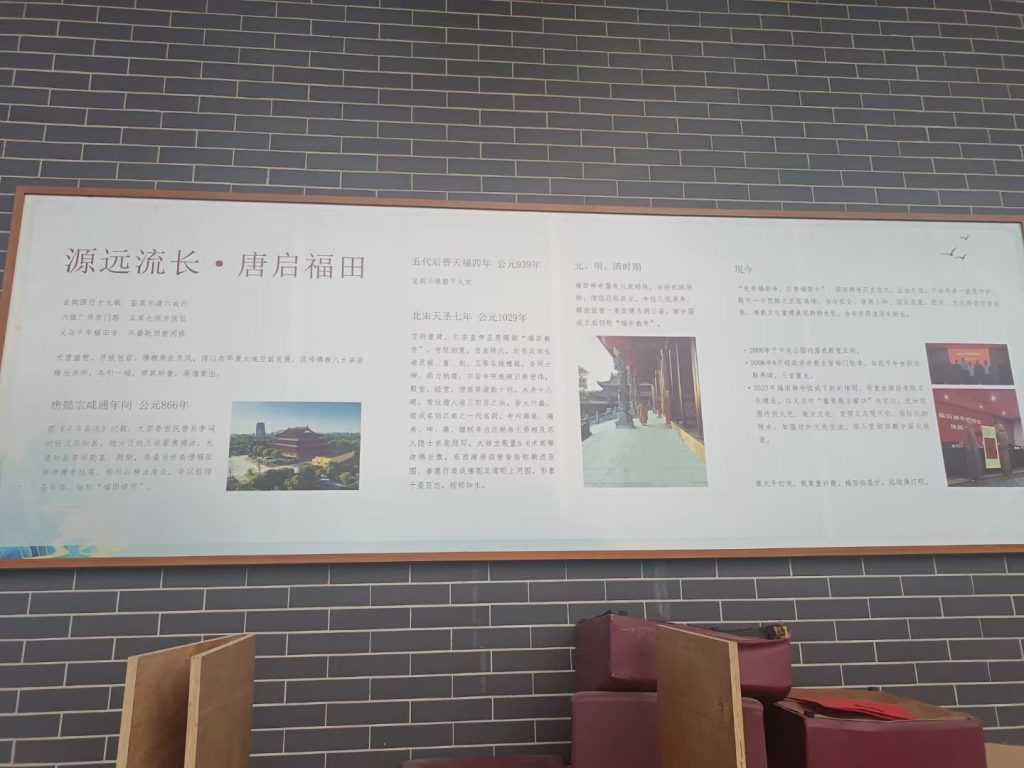
The history of Futian Temple dates back to the Xiantong period of Emperor Yizong in the Tang Dynasty (866 AD). Initially named “Futian Chan Temple”, it embodied the Buddhist philosophy of “planting abundant karmic fields and delivering all sentient beings”. At that time, Yiwu was still a small county in central Zhejiang. The construction of the temple not only provided a place for local believers to worship Buddha and pray for blessings but also served as an important platform for cultural exchanges in the region. However, as time went by, the ancient temple could not escape misfortune. In the fourth year of the Tianfu period of the Later Jin Dynasty in the Five Dynasties (939 AD), a massive fire swept through the temple, reducing its halls and pavilions to ashes and interrupting its centuries-old incense offerings. It was not until the seventh year of the Tiansheng period of the Northern Song Dynasty (1029 AD) that local believers raised funds to rebuild the temple, restoring it to its former glory. Notably, when Emperor Renzong of the Northern Song heard of the temple’s reconstruction, he personally conferred a plaque and renamed it “Futian Temple”. This name has been in use ever since, bearing witness to the temple’s connection with the imperial family and highlighting its important historical status.
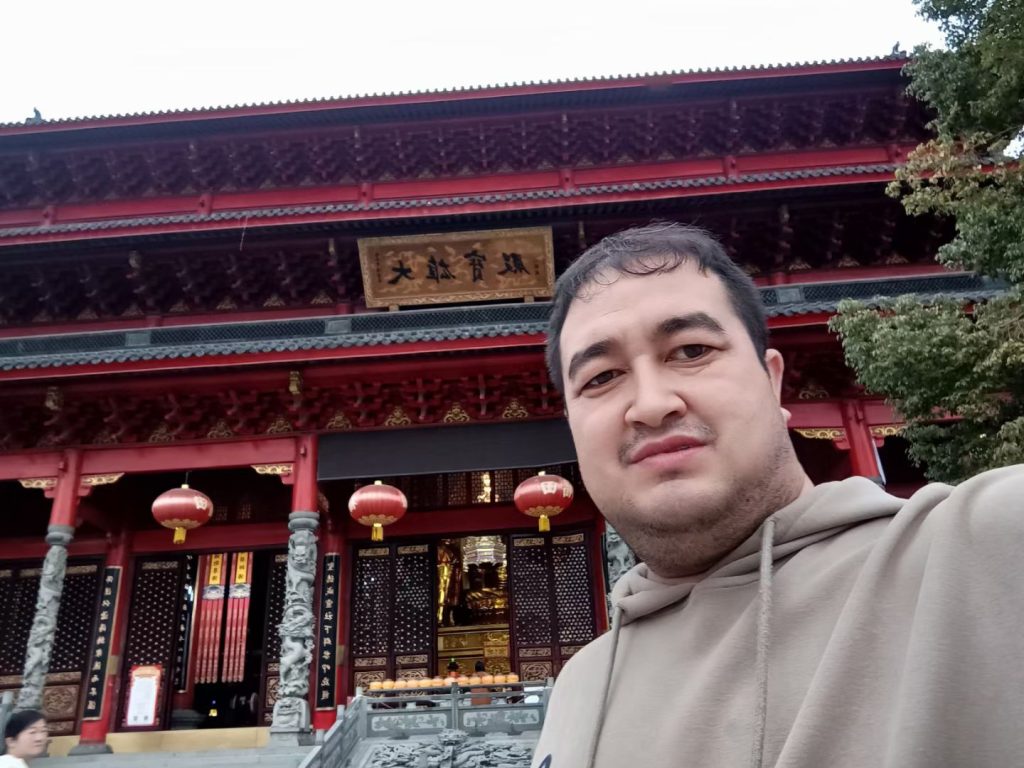
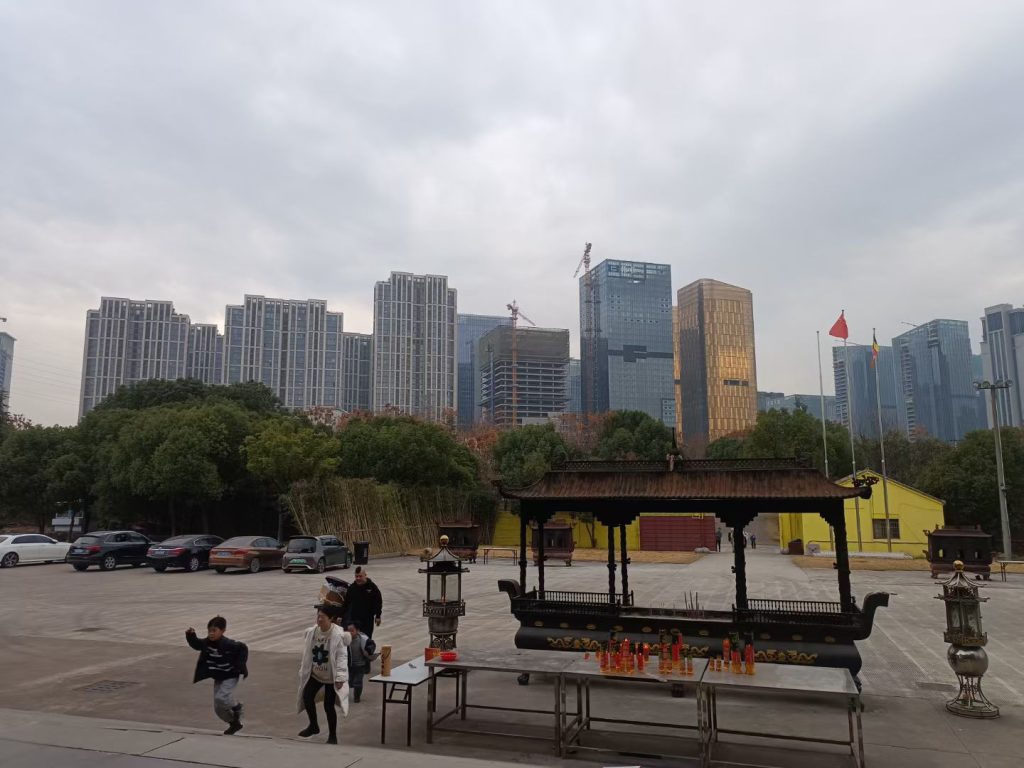
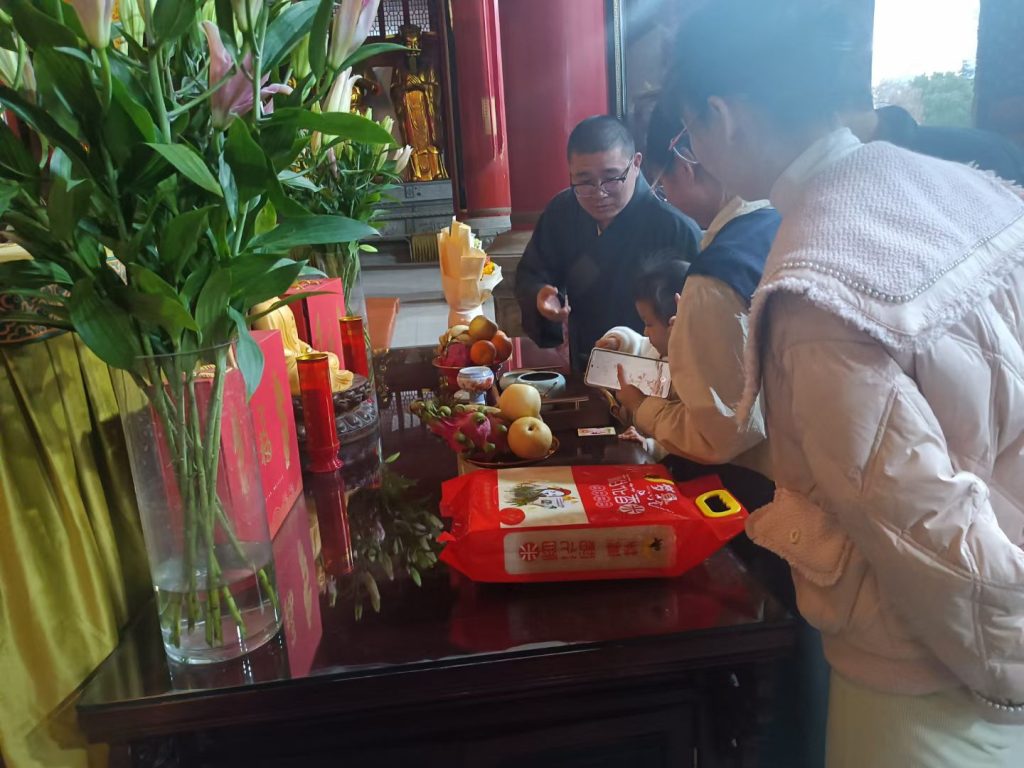
Today’s Futian Temple has been carefully renovated while preserving its historical style. Stepping through the temple gate, the towering Heavenly Kings Hall comes into view first. Inside the hall, the statues of the Four Heavenly Kings are vividly crafted, with wide eyes and fierce expressions, guarding this pure land. Passing through the Heavenly Kings Hall, one enters an open courtyard where ancient trees tower high with lush foliage, including several centenarian camphor trees that have witnessed the temple’s vicissitudes. In the center of the courtyard, incense curls up from the censer, as believers hold incense sticks and kowtow devoutly, praying for peace and prosperity. Further inside lies the Mahavira Hall, the core building of the temple. It enshrines three grand Buddha statues: Sakyamuni Buddha, Medicine Buddha, and Amitabha Buddha, all resplendent in gold and exuding solemnity and majesty. The murals inside the hall are even more exquisite, depicting classic Buddhist stories with delicate brushwork. Though weathered by time, their colors remain bright and dazzling, leaving visitors in awe.
Futian Temple is open daily from 7:00 to 19:00. This thoughtful schedule not only caters to believers who wish to worship Buddha in the early morning but also provides a perfect evening retreat for office workers and tourists. During my visit, I discovered that the temple is not only a place of religious activity but also a hub for cultural dissemination. It features a free Buddhist scripture borrowing area for believers and tourists, and regularly hosts meditation courses and cultural lectures that attract numerous enthusiasts of traditional culture. In addition, the temple actively engages in public welfare undertakings. During festivals, it distributes supplies to disadvantaged groups in surrounding communities, practicing the Buddhist philosophy of “compassion for all and benefiting the world”.
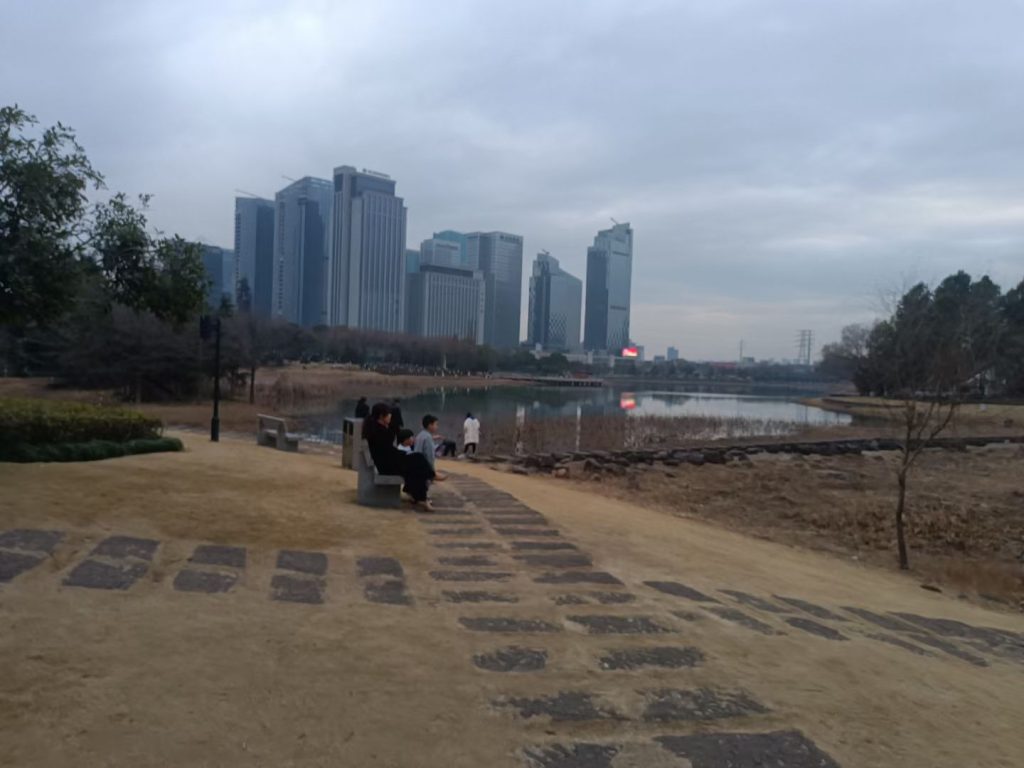
Standing at the highest point of the temple, I overlooked the bustling scene of Yiwu International Trade City. The tranquility of the ancient temple stands in stark contrast to the hustle and bustle of the city. Like a centenarian who has weathered a thousand years of changes, Futian Temple adheres to traditional beliefs while embracing modern society with an open mind. This visit allowed me to not only appreciate the architectural beauty and historical charm of the ancient temple but also feel the profound heritage and humanistic care of Buddhist culture. I believe that in the days to come, Futian Temple will continue to attract more visitors and worshippers with its unique charm, becoming a bright cultural calling card of Yiwu City.

Leave a Reply
You must be logged in to post a comment.