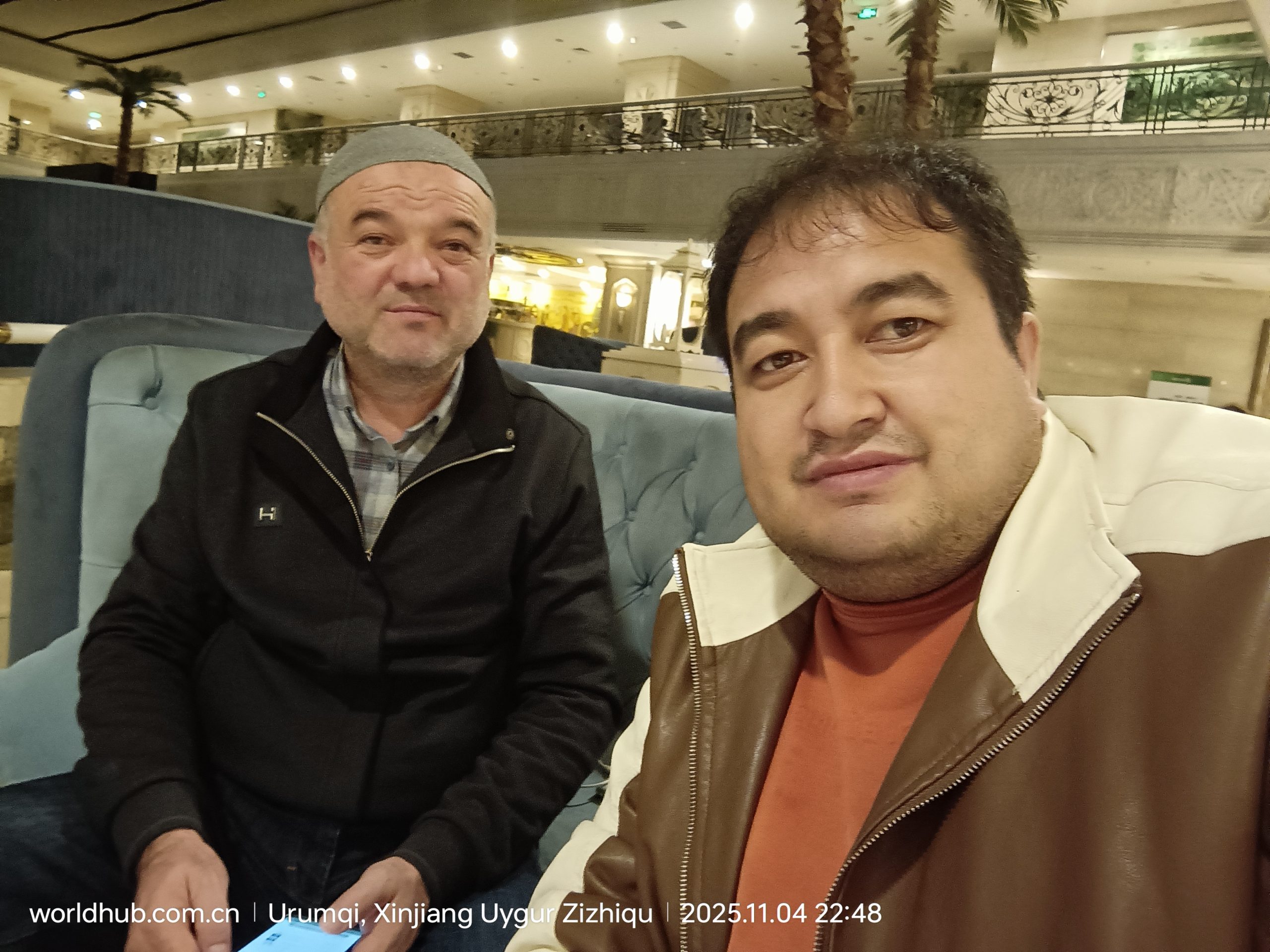
In the golden autumn of October, Urumqi, Xinjiang, a city fragrant with melons and fruits, ushered in a cross-border trade event. On October 27, 2025, two senior hardware and building materials merchants from Uzbekistan traveled thousands of miles to Urumqi, embarking on a 12-day business inspection and procurement trip with the demand for high-quality hardware products, sanitary ware accessories, and water pipe fittings. During the trip, our staff accompanied them throughout, and the three traveled together to major professional building materials markets in Urumqi, from Hualing New Market to traditional business districts, from international trade hubs to characteristic blocks. While accurately matching procurement needs, they also built a bridge for China-Uzbekistan trade and cultural exchanges. The procurement activities successfully concluded on November 7, achieving double gains in economic and trade cooperation and cultural understanding.
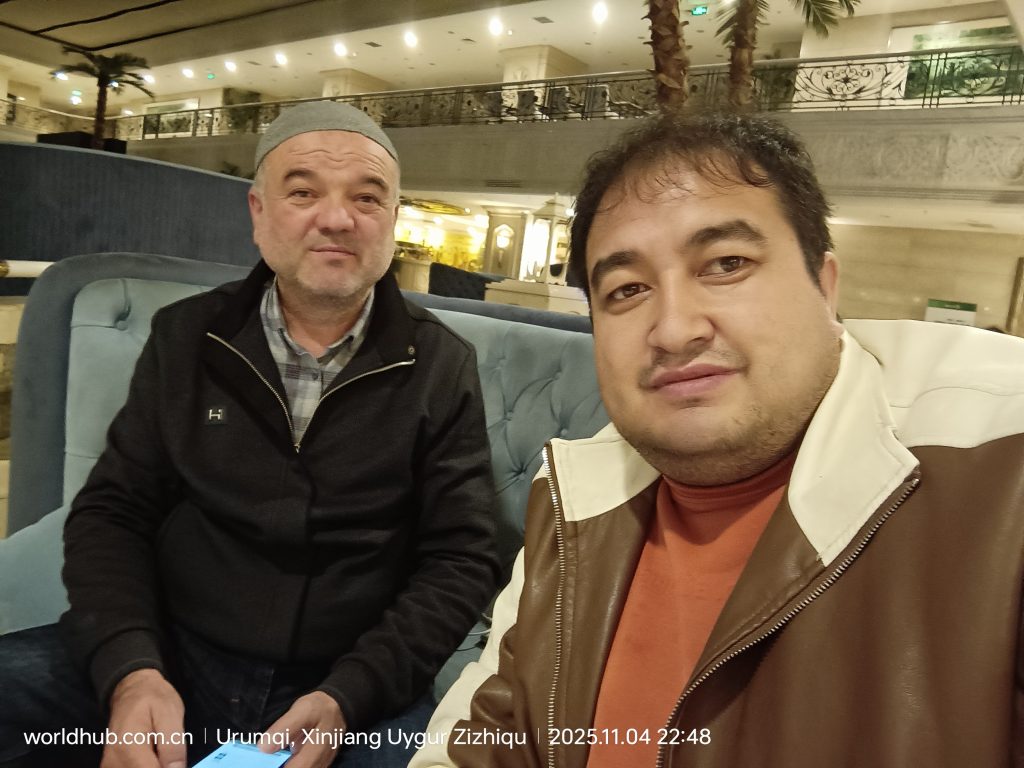
As an important node on the ancient Silk Road, Uzbekistan is geographically close and culturally connected to China’s Xinjiang, with a long history of traditional trade exchanges. With the in-depth advancement of the “Belt and Road” Initiative, the demand for cooperation in the building materials and hardware field between China and Uzbekistan has continued to heat up. The visiting Uzbek businessmen have been deeply engaged in the local hardware and building materials market for many years and have strict requirements for product quality, technical standards, and cost-effectiveness. It is understood that the hardware products, sanitary ware accessories, and water pipe fittings purchased this time will mainly supply Uzbekistan’s domestic construction projects, home decoration, and retail markets to meet the consumer demand brought by the accelerated infrastructure construction and the improvement of residents’ living standards in the region. “Building materials from China’s Xinjiang have a good reputation in the Central Asian market due to their reliable quality and highly competitive prices. We made a special trip here this time hoping to find long-term and stable partners and bring high-quality Chinese products back to Uzbekistan,” one of the Uzbek businessmen said in an interview on the day of arrival.
On October 28, the procurement team’s itinerary officially kicked off, and the first stop was directly to Hualing New Market, the “leading benchmark” of Urumqi’s building materials market. As one of the largest and most comprehensive professional building materials and home furnishing markets in northwest China, Hualing New Market gathers thousands of building materials merchants, with a wide range of hardware tools, sanitary ware, pipe fittings and other products, covering the full range of supply from high-end customization to mass consumption. Entering the market, various types of faucets, shower sets, stainless steel water pipes, hardware connectors and other products were neatly displayed. The merchants carefully checked the technical details of the products while communicating in depth with the vendors through translators on core issues such as material specifications, production standards, delivery cycles, and after-sales guarantees. In front of a booth of a merchant specializing in sanitary ware accessories, the Uzbek businessmen showed great interest in a shower set adopting constant temperature technology. They personally tested the sensitivity of water temperature adjustment and asked in detail about the product’s waterproof performance and service life. The person in charge of the merchant demonstrated the product’s installation process and core advantages on site and provided relevant test reports. Their professional explanation and high-quality products won high recognition from the foreign merchants, and a preliminary procurement intention was reached on the spot.
In the following days, the procurement team rushed to visit traditional business districts such as the old area of Hualing Market, Xiaoximen, and Daximen. Different from modern professional markets, the building materials merchants in these districts have more characteristics. Many merchants have been deeply engaged in the industry for decades and have stable production supply chains and unique product advantages. On Xiaoximen Hardware and Building Materials Street, the merchants were attracted by a store specializing in stainless steel water pipe fittings. Its independently developed anti-leakage joints adopt new sealing technology, which is suitable for various pipe diameters and has strong corrosion resistance, making it very suitable for the local climatic conditions in Uzbekistan. The merchants conducted on-site pressure tests and were very satisfied with the product’s performance, immediately finalizing some product procurement orders. The sanitary ware products in Daximen Business District are famous for their novel designs and diverse styles. Various sanitary ware integrating Chinese minimalism and European luxury meet the aesthetic needs of different consumer groups. The Uzbek businessmen stated that local consumers have increasingly high requirements for the design sense and functionality of sanitary ware products, and these products are exactly in line with market demand, with broad sales prospects.
As an important foreign trade window in Urumqi facing Central Asia, the Border International Trade Market became a key stop of this procurement trip. Relying on Xinjiang’s geographical advantages, the market focuses on international markets such as Central Asia and West Asia, gathering a large number of building materials enterprises engaged in foreign trade exports, with complete product export qualifications and familiarity with international trade rules and overseas market demand. Here, the procurement team held one-on-one negotiations with many foreign trade merchants, focusing on coordinating core cooperation details such as export customs declaration, logistics and transportation, and payment settlement. In response to the characteristics of the Uzbek market, the merchants recommended customized products that meet local voltage standards and whose materials are adapted to the local climate, and promised to provide full-process foreign trade service support to solve the worries of the merchants. After several rounds of communication, the two sides reached cooperation consensus on various categories such as hardware tools and water pipe fittings, and signed the first batch of procurement agreements with a considerable amount. The person in charge of one merchant said: “The potential for China-Uzbekistan building materials trade is huge. We attach great importance to cooperation with Uzbek businessmen and will contribute to win-win results for both sides with the best products and services.”
In addition to procurement, our accompanying staff also carefully arranged cultural experience sessions to allow the Uzbek businessmen to deeply experience the regional culture and folk customs of Urumqi. On the Grand Bazaar Pedestrian Street, the merchants tasted Xinjiang’s characteristic delicacies such as samsa, pilaf, and lamb skewers, enjoyed traditional Uyghur song and dance performances, and personally experienced intangible cultural heritage skills such as carpet weaving and ethnic musical instrument making. During the communication with local residents, the merchants learned about the living scenes of all ethnic groups in Xinjiang living in harmony and helping each other, and felt the unique charm of Xinjiang’s diverse culture. Taking this opportunity, our accompanying staff also had in-depth exchanges with the merchants on Uzbekistan’s history, culture, folk customs, and dietary characteristics. From the historical heritage of Uzbekistan’s famous ancient cities such as Samarkand and Bukhara, to the production techniques of traditional delicacies such as naan, pilaf, and samsa, and to the local unique ethnic costumes and festival customs, the merchants shared enthusiastically with great familiarity. Through these exchanges, our staff gained a more comprehensive and in-depth understanding of Uzbekistan’s culture, and also made the two foreign merchants feel the hospitality of the Chinese people, further narrowing the distance between each other.
“This trip to Urumqi has exceeded expectations. We not only found satisfactory suppliers and signed the desired procurement orders, but also felt the charm of China’s Xinjiang and the enthusiasm of Chinese friends,” the Uzbek businessmen said with joy at the procurement summary meeting on November 7. “Through cooperation with Chinese merchants, we have seen the advanced technology and rigorous craftsmanship of China’s building materials industry, and we believe these products will be well received in the Uzbek market. At the same time, we also hope to take this procurement as an opportunity to promote more characteristic Uzbek products to enter the Chinese market and promote the two-way circulation of trade between the two countries.”
Our accompanying staff also stated that the process of accompanying the procurement was not only a practice of trade docking, but also a profound cultural learning journey. “In the daily interaction with the Uzbek businessmen, I deeply understood their cultural traditions, living habits, and ways of thinking, and felt the Uzbek people’s pursuit of peace, cooperation, and win-win results. This cultural understanding will lay a solid foundation for more China-Uzbekistan trade cooperation in the future, making trade cooperation not only limited to the circulation of products, but also a link for cultural exchanges.”
The successful conclusion of the Uzbek businessmen’s procurement trip to Urumqi has not only injected new vitality into China-Uzbekistan building materials trade, but also built a bridge for cultural exchanges between the two countries. As the capital and transportation hub of Xinjiang, Urumqi, with its improved trade system, superior geographical advantages, and rich product resources, is becoming an important platform for Central and West Asian countries to carry out building materials trade. In the future, it is believed that more Central Asian merchants will come to Urumqi for inspection and procurement, promoting the development of China-Uzbekistan trade cooperation to a deeper level and broader field, and at the same time promoting the in-depth integration of the two countries’ cultures, allowing the cultural dialogue on the ancient Silk Road to bloom more brilliantly in the new era.