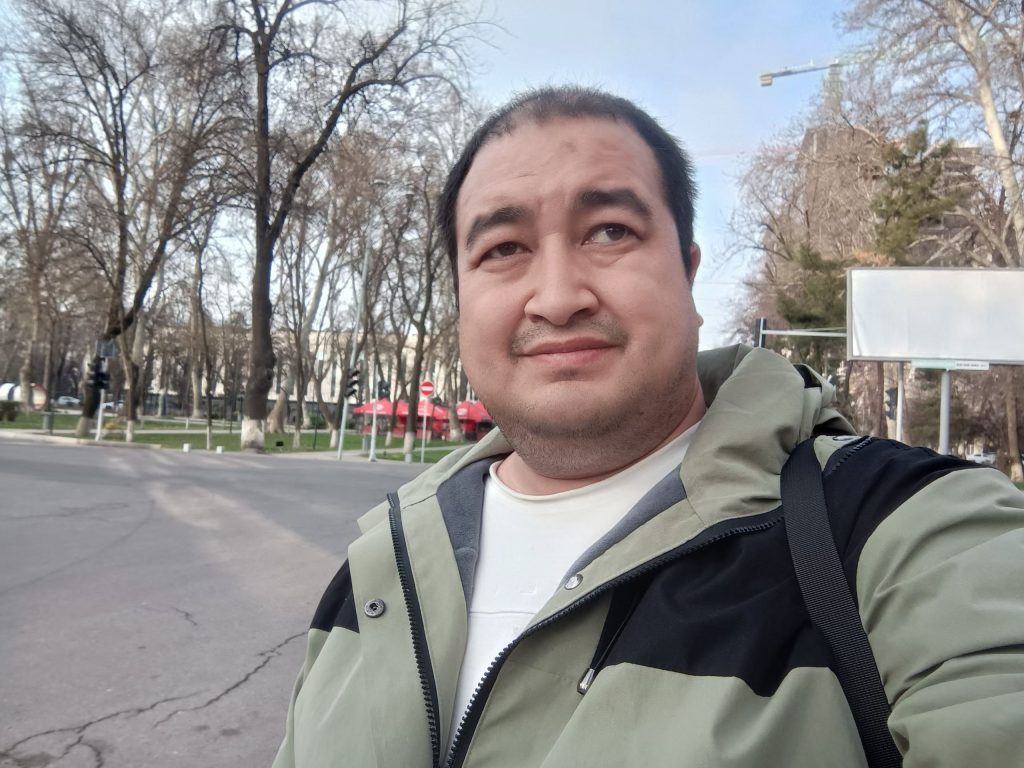
I am MR AOSIMAN TUOHESUN ,from china , Complete Record of the Business Trip to Uzbekistan
On the evening of March 21, 2026, I boarded a flight from Urumqi Diwopu International Airport to Tashkent, Uzbekistan, carrying only a simple backpack with work equipment and a small handbag—no checked luggage. As night deepened, the plane soared above the clouds. Outside the window was a vast, dark sky, occasionally dotted with scattered city lights below. My heart was filled with both anticipation and nervousness, as this journey was not just a long-distance trip but a crucial expedition to seek overseas opportunities for my dream e-commerce platform.
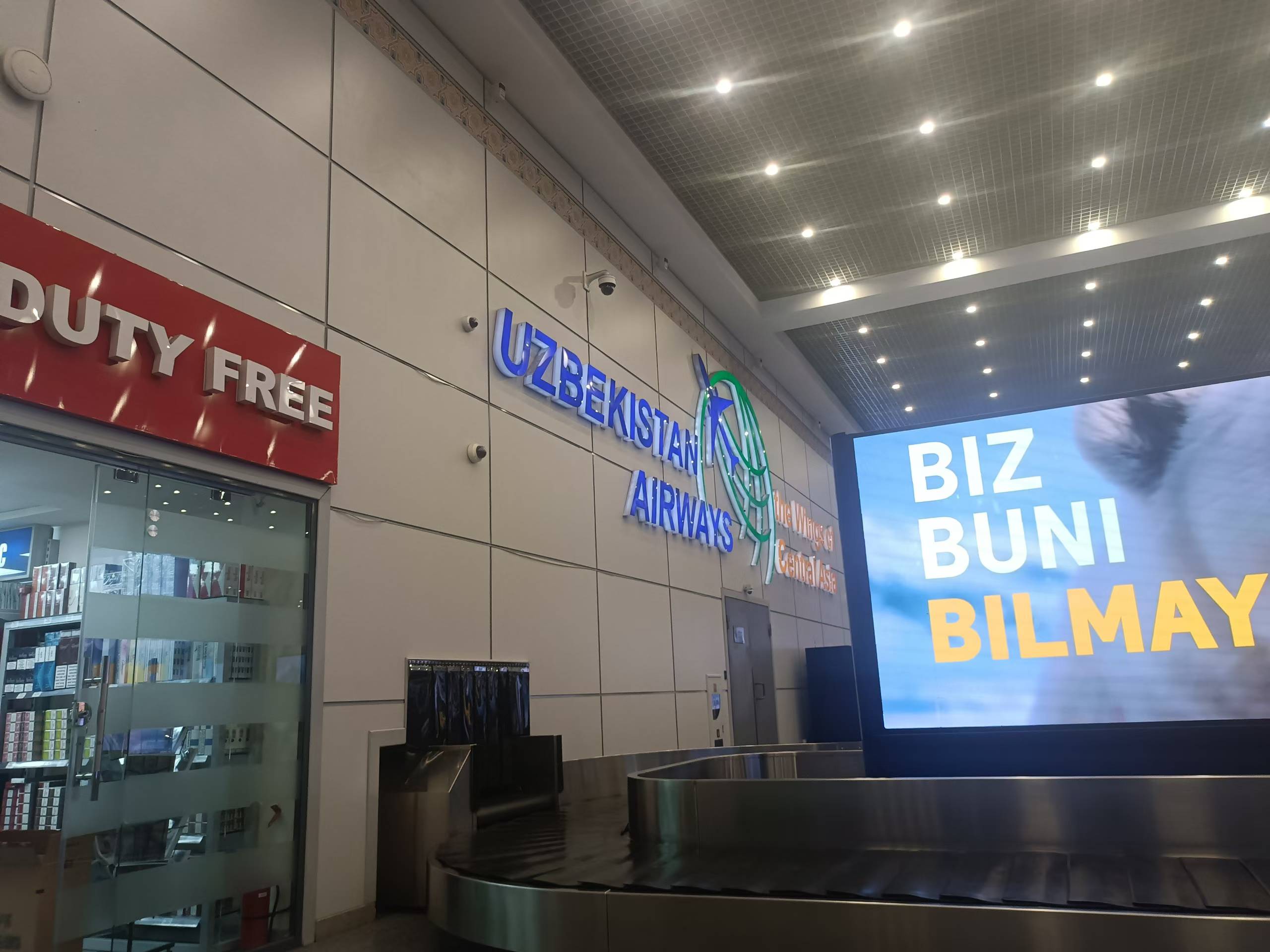
After several hours of flight, the plane landed smoothly at Tashkent International Airport. The night was already deep, but the airport was brightly lit, with travelers of various expressions coming and going. The air carried a mix of local spices and the scent of aviation fuel. Since I had no checked luggage, I passed through customs quickly. Stepping out of the cabin, I felt Tashkent’s mild evening breeze, which was warmer than Urumqi’s slight chill, carrying the gentle touch of Central Asia.
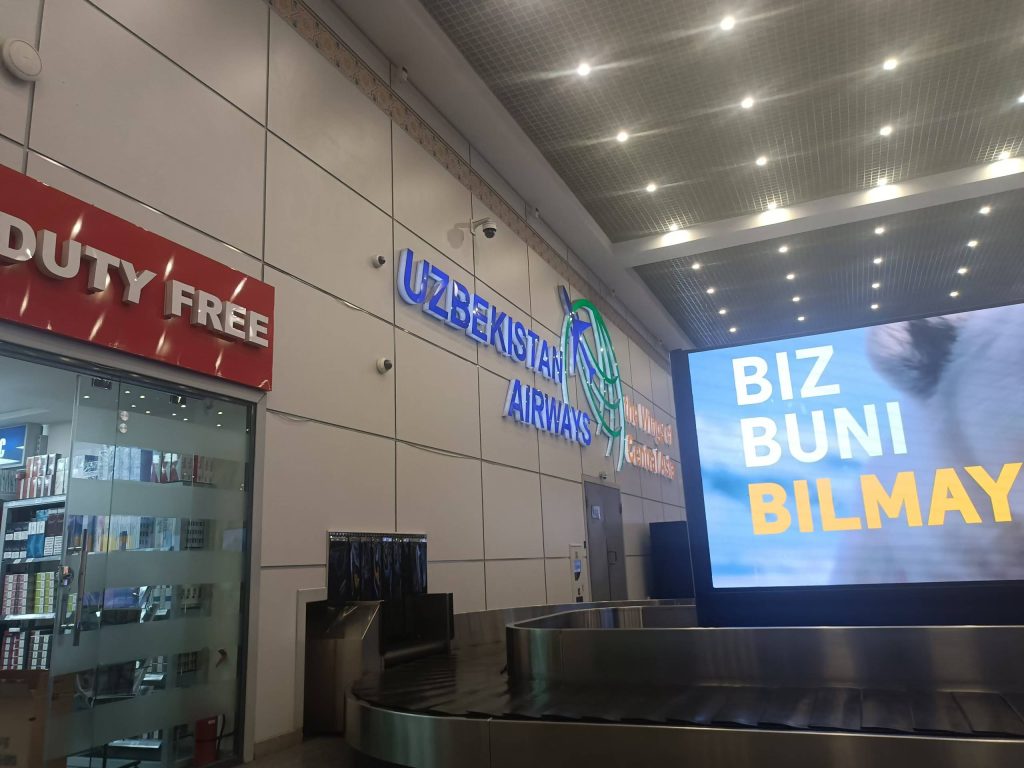
After entering the country, my first priority was to get a local SIM card for communication and work. The airport had dedicated telecom service counters, where the staff enthusiastically explained the plans in simple Chinese and English. I chose a package suitable for short-term travel with ample data, costing 120,000 Uzbekistani som. At the exchange rate of the day, 1 Chinese yuan was equivalent to 1,780 som, making the SIM card package about 67 yuan—quite affordable. The activation process was quick and convenient, taking less than 10 minutes, which greatly improved my first impression of the city.
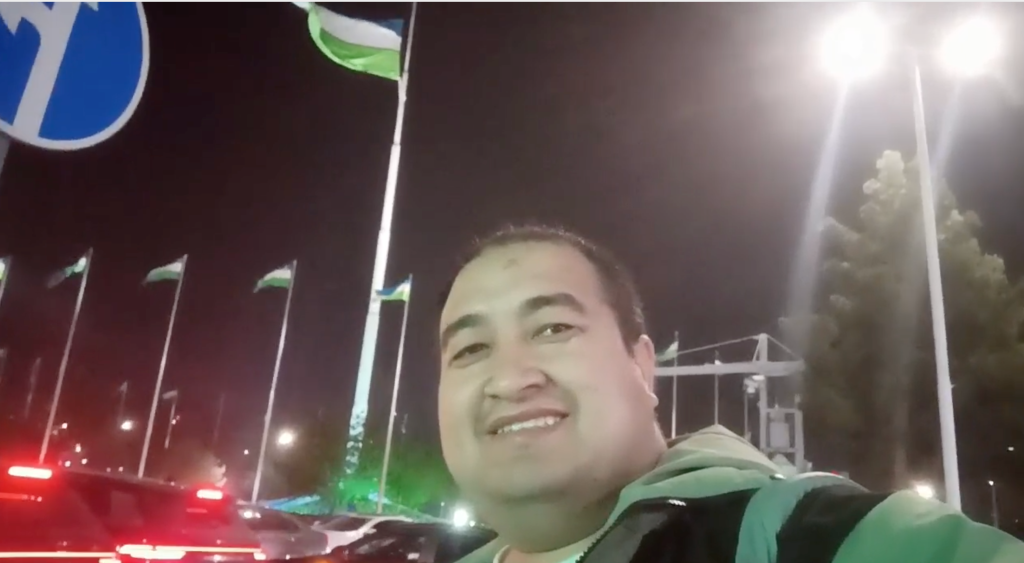
After getting the SIM card, I headed to the airport’s currency exchange counter to convert some money. I had prepared a certain amount of Chinese yuan in advance and exchanged it for enough som to cover the initial part of my trip at the rate of 1:1,780. The staff at the exchange counter were efficient, requiring minimal documentation, and the entire process took only a few minutes. After exchanging the money, I walked out of the airport terminal and immediately spotted the Uzbekistani flag fluttering in the wind. The flag consists of three horizontal stripes—sky blue, white, and green—with two thin red stripes in between and a white crescent and stars on the upper left, symbolizing peace, nature, and renewal. It stood out vividly in the night, and at that moment, I truly felt I was in a foreign land.
I had already booked a hotel in downtown Tashkent online, with a daily rate of 128 yuan, including a 5 USD tax, which amounted to approximately 227,840 som. At the airport exit, I hailed a taxi. Most local taxis are black or white, and the driver could communicate in basic English. I showed him the hotel’s location, and he drove smoothly toward the city center. Tashkent at night was quiet, with buildings along the streets blending Central Asian characteristics with modern touches. Soft streetlights illuminated the roads, and occasionally, small shops were still open. The ride was smooth, and I soon arrived at the hotel. The hotel was clean, and the staff were attentive. After checking in, I unpacked briefly and rested to recharge for the next day’s work.
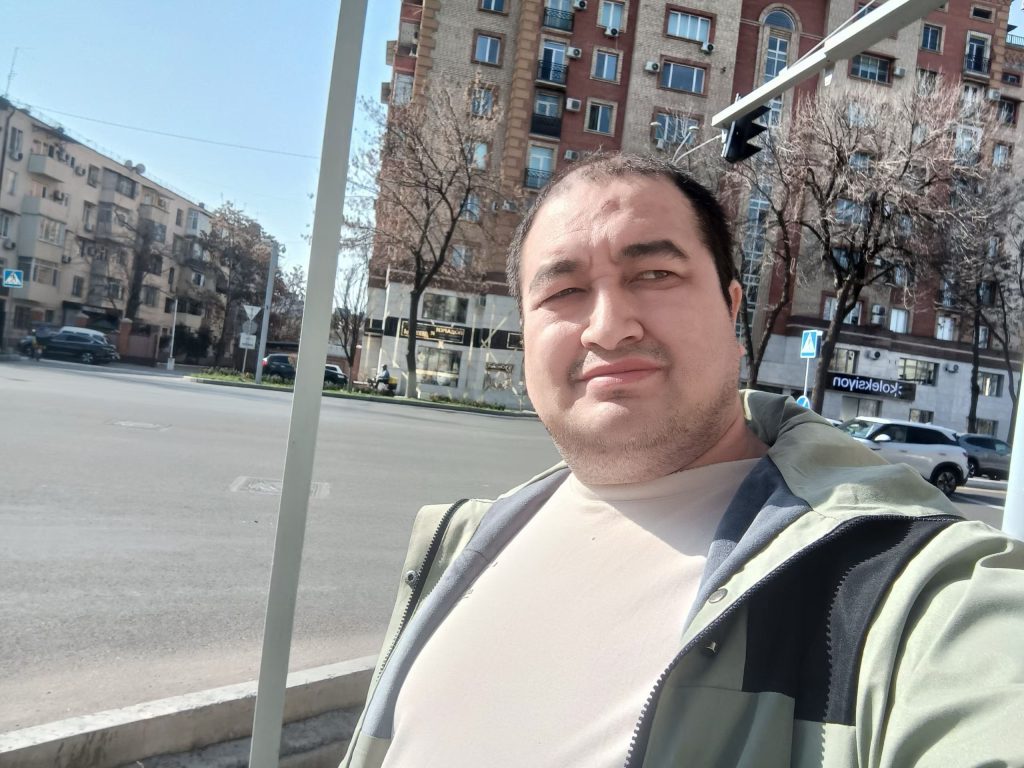
For the next 12 days, I stayed at this hotel, embarking on a busy yet fulfilling schedule. During the day, I worked in my hotel room, focusing on developing my dream e-commerce platform—coding, refining pages, and optimizing features. Occasionally, I took breaks to enjoy a cup of local black tea to ease the fatigue. I had been preparing this e-commerce platform for a long time, hoping to build a trade bridge between China and Central Asian countries, helping more Chinese products enter the Central Asian market and introducing Central Asian specialties to Chinese consumers.
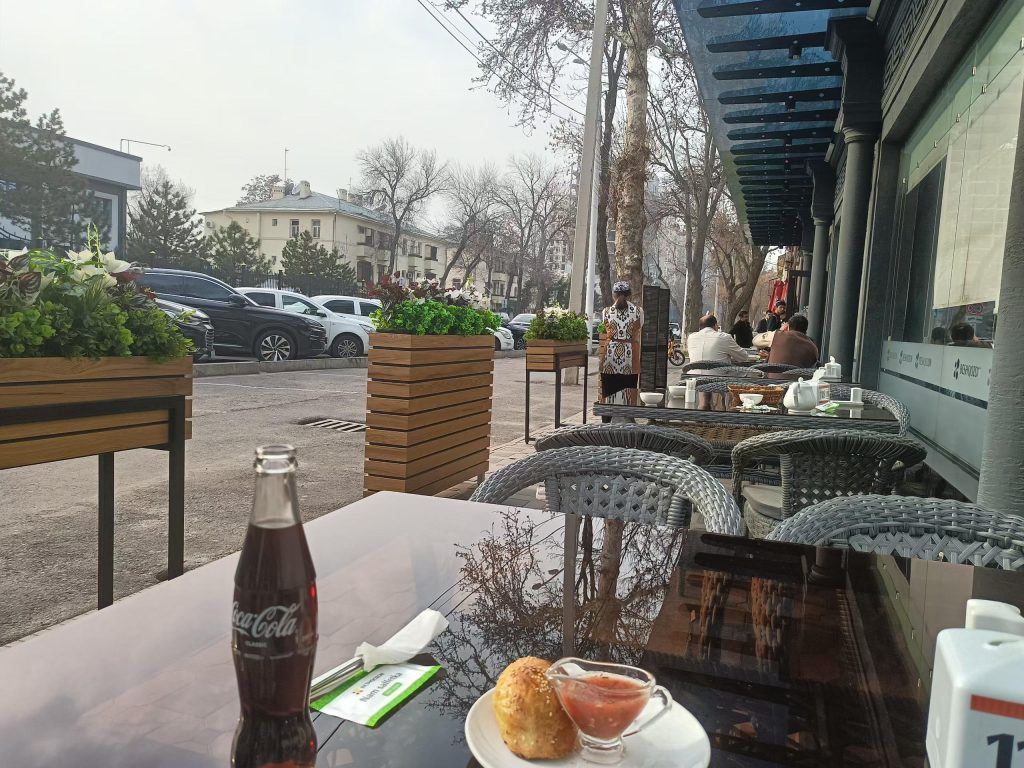
In the evenings, I ventured out into the streets and alleys of Tashkent to investigate the local market. I explored various commercial districts and markets, observing local consumption habits, preferred product types, and noting popular industries and potential market demands. I paid special attention to gaps in markets like electric vehicles and home goods, gathering material for the future operation of my e-commerce platform. Tashkent’s nights were lively, with markets filled with all kinds of specialty products. Vendors enthusiastically called out to customers, and occasionally, I met local residents who spoke Chinese. We exchanged simple conversations, and they were happy to share insights about the local market.
Originally, I planned to depart from Tashkent to Samarkand on the afternoon of March 26. Before leaving, I learned that there were multiple transportation options from Tashkent to Samarkand, with the train being the most convenient, taking only 2 hours and 18 minutes. The train schedule was frequent, with departures every four hours. I booked my ticket in advance and arrived at Tashkent North Station on time in the afternoon. Boarding the high-speed train to Samarkand, I enjoyed the picturesque Central Asian countryside along the way—vast oases set against distant mountains, creating a beautiful landscape.
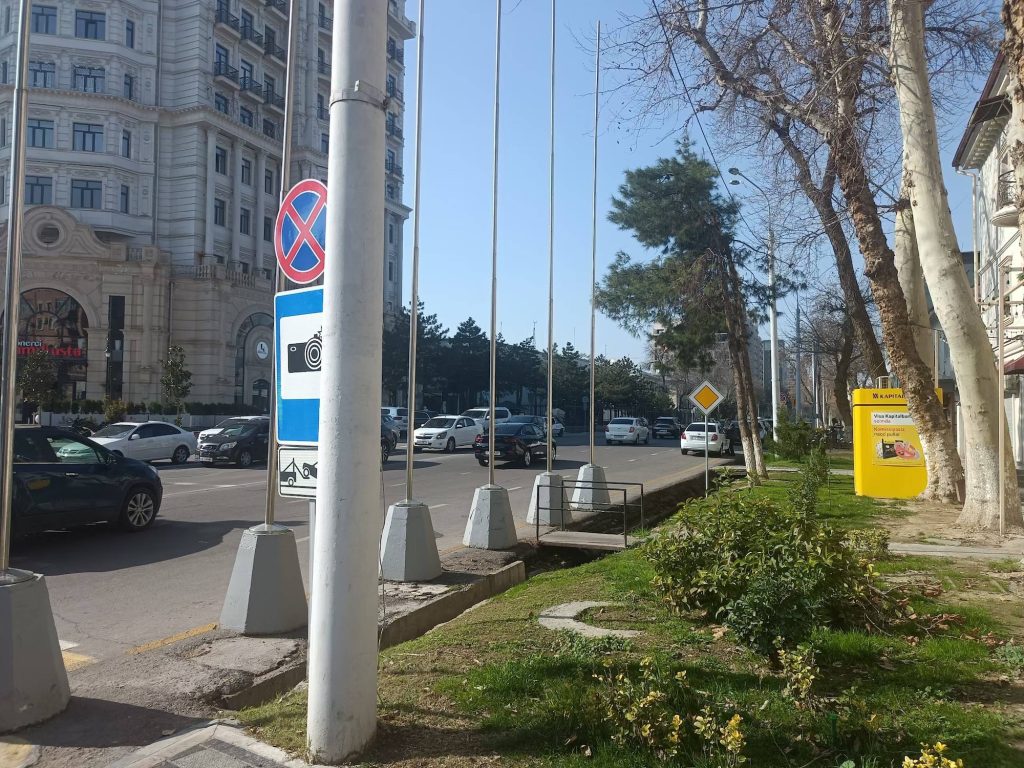
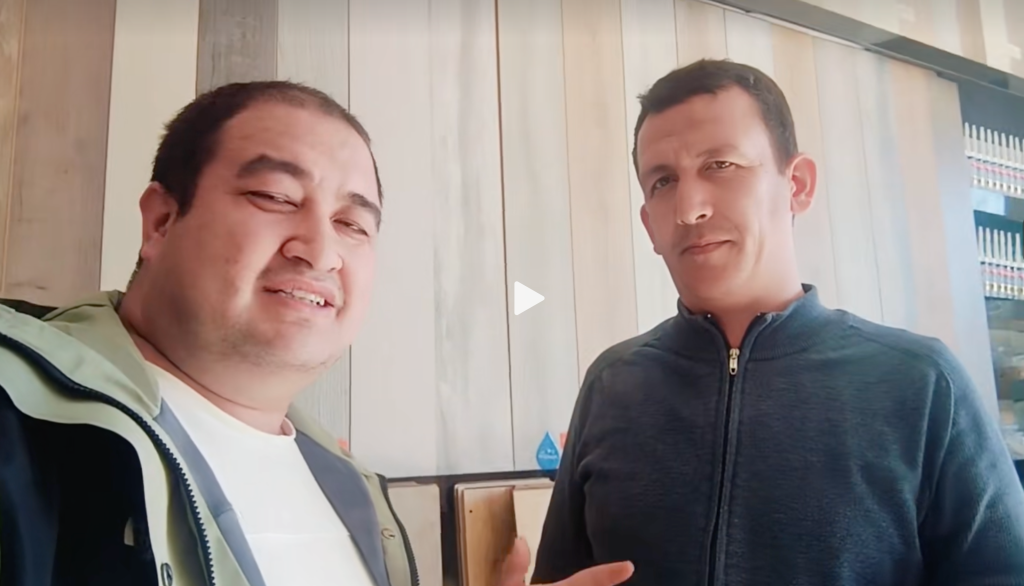
Early the next morning, I arrived in Samarkand, a city steeped in history and the charm of the ancient Silk Road. That day, I met my local friend Kodir as planned. We had connected through business dealings before, and he was warm and straightforward. After meeting, Kodir immediately showed me samples of the three-wheeled electric vehicles he intended to purchase, detailing his requirements, including load capacity, range, design, and other technical specifications. We also finalized the purchase quantity and price floor. I took out my notebook and carefully recorded every detail, afraid of missing anything. After all, three-wheeled electric vehicles have broad demand in the Central Asian market, and local policies offer tax incentives for new energy vehicles, making this a significant opportunity for my e-commerce platform.
After concluding the discussion with Kodir, he accompanied me to visit three other local friends who ran a bathroom supplies store, a flooring store, and a safe store, respectively. Their shops were neatly organized with simple and practical decor, fitting the local aesthetic. I greeted each of them, exchanged pleasantries, and learned about their business operations and product needs. To my surprise, when they learned about my e-commerce platform, they showed great interest and placed orders on the spot, hoping to sell their products in the Chinese market through my platform. This was incredibly encouraging and strengthened my resolve to build the platform.

In the afternoon, I visited Samarkand’s famous fabric market, known for selling local Atlas fabric. The market was filled with stalls displaying vibrant Atlas fabrics in intricate patterns and bright colors, each piece showcasing unique designs and Uzbekistan’s traditional craftsmanship. After careful selection, I bought 12 meters of Atlas fabric to bring back to China—some as gifts for friends and some as samples for the e-commerce platform. According to local vendors, Atlas fabric prices vary based on composition, ranging from 35,000 to 85,000 som per meter. The one I chose was of high quality and offered great value for money.
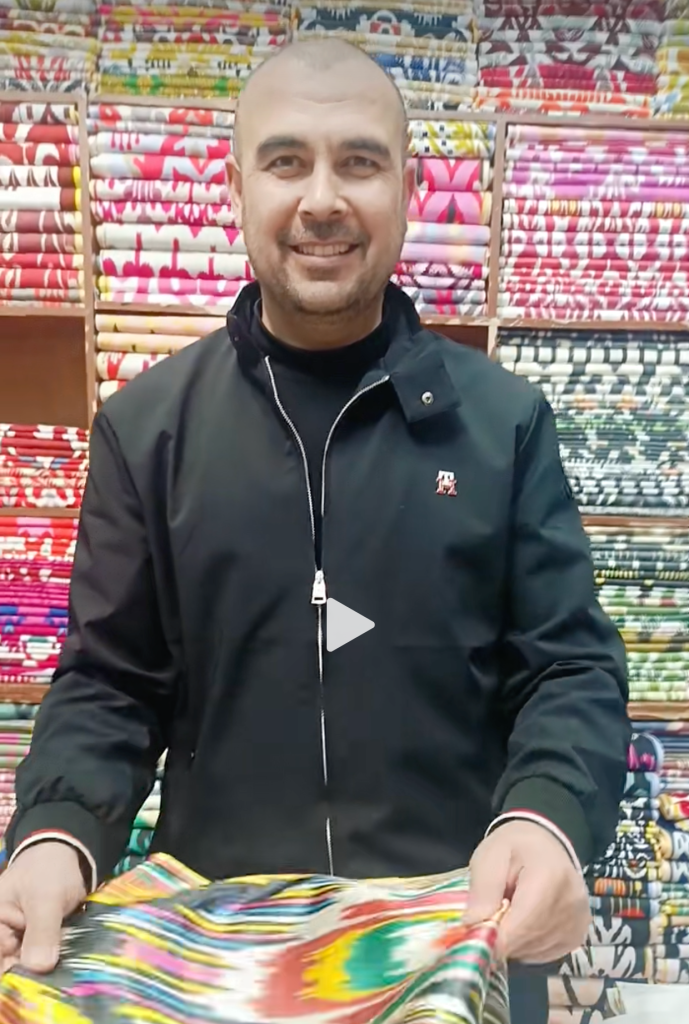
After purchasing the fabric, I took the train back to my hotel in Tashkent. Unknowingly, the business trip was nearing its end. I booked my return flight to China online, wrapping up my busy time in Tashkent. On the day of departure, I arrived at Tashkent International Airport early and waited for two hours. During this time, I saw tourists from various countries, carrying luggage with expressions of travel fatigue and anticipation. I seized the opportunity to distribute promotional flyers for my e-commerce platform to nearby Russian clients and Kazakh tourists, briefly explaining the platform’s features and advantages. Many showed keen interest, exchanged contact information, and expressed hope for future collaboration.

In the afternoon, I boarded a flight to Almaty International Airport in Kazakhstan, which took just over an hour. Upon arriving at Almaty Airport, I didn’t leave the terminal but stayed in the transit area to continue working. During the layover, I organized the market data I had collected, responded to client inquiries, and distributed promotional flyers to passing travelers, seizing every opportunity to promote the e-commerce platform.
Early the next morning, I boarded the flight back to Urumqi. As the plane took off, I looked out at Almaty through the window, filled with a sense of accomplishment and reflection. This trip to Uzbekistan not only allowed me to complete market research and secure orders but also reinforced my dream of building a cross-border e-commerce platform. Though the journey was busy, every effort paid off. I believe that in the future, my e-commerce platform will serve as a bridge for trade between China and Central Asian countries, helping me realize my entrepreneurial dream.