咖啡勺里的醇香与匠心
咖啡文化的迷人之处,不仅在于杯中那一抹醇厚的香气,更在于从研磨、冲泡到品饮的每一个仪式感满满的瞬间。而咖啡勺,这柄看似不起眼的小物件,正是串联起咖啡风味与人文故事的奇妙纽带。它既是搅拌咖啡的实用工具,也是承载着匠人巧思与时光温度的工艺品,在方寸之间演绎着咖啡世界的别样精彩。
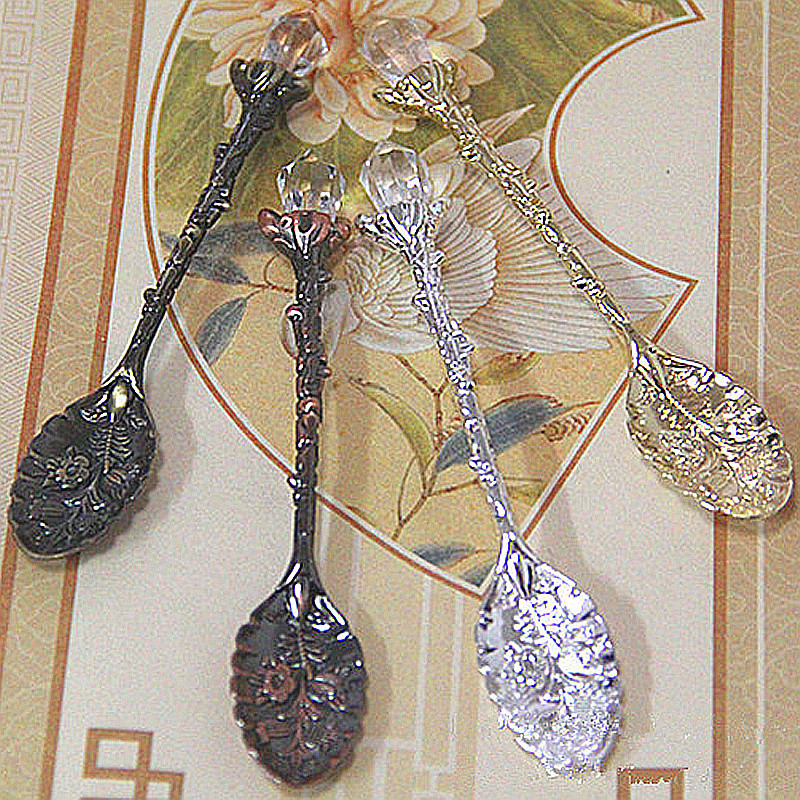
咖啡勺的诞生,与咖啡文化的传播息息相关。17世纪的欧洲,咖啡从阿拉伯世界传入,迅速成为贵族圈层的新宠。最初,人们用普通勺子搅拌咖啡,却发现其大小与咖啡杯难以适配,且容易破坏咖啡表层的细腻奶泡。于是,专门为咖啡设计的小勺应运而生。早期的咖啡勺多由银质打造,表面雕刻着繁复的花纹,不仅是实用器具,更是主人身份与品味的象征。在维也纳的咖啡屋里,一把精致的银质咖啡勺,搭配着骨瓷咖啡杯,成为了欧洲咖啡文化优雅与浪漫的注脚。
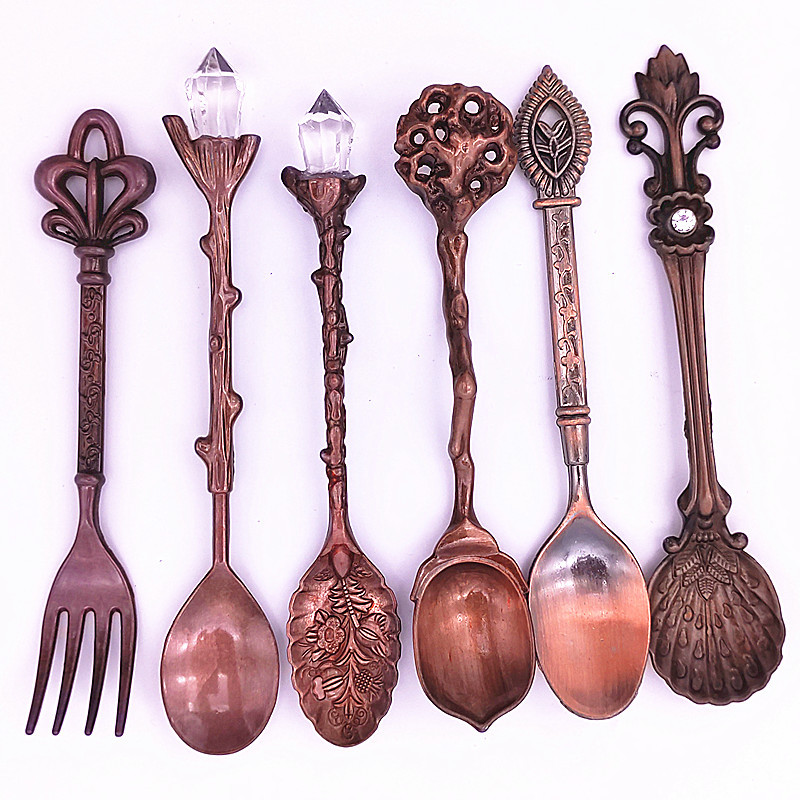
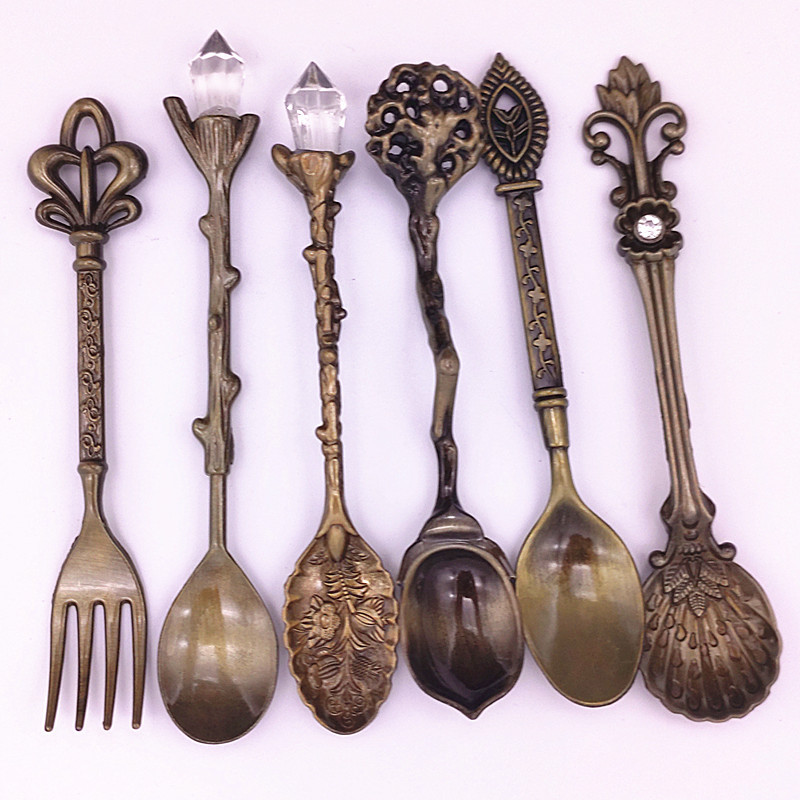
随着咖啡文化的普及,咖啡勺逐渐走出贵族的象牙塔,成为大众生活的一部分,其材质与工艺也愈发丰富多元。木质咖啡勺带着天然的温润质感,每一道纹理都独一无二,搅拌时不会破坏咖啡杯的釉面,还能隐约散发木质的清香;陶瓷咖啡勺则与咖啡杯完美呼应,釉色或清新淡雅,或浓墨重彩,宛如一件件微型艺术品;而黄铜、紫铜材质的咖啡勺,经过匠人之手的打磨与雕刻,随着时间的推移会逐渐形成独特的包浆,承载着使用者的专属记忆。
在咖啡勺的工艺世界里,最动人的莫过于那些手工匠人倾注的心血。在意大利的手工工坊中,匠人以传统失蜡法铸造铜质咖啡勺,从模具制作到精细打磨,每一个步骤都耗时良久。勺柄上的花纹,或是咖啡树的枝叶,或是咖啡豆的轮廓,或是充满异域风情的几何图案,皆由匠人一刀一刀雕刻而成。而在日本,职人则偏爱极简风格,他们选用优质榉木,通过精细的打磨让咖啡勺的线条流畅自然,勺面光滑如镜,既保留了木材的天然质感,又展现出日式美学的克制与精致。
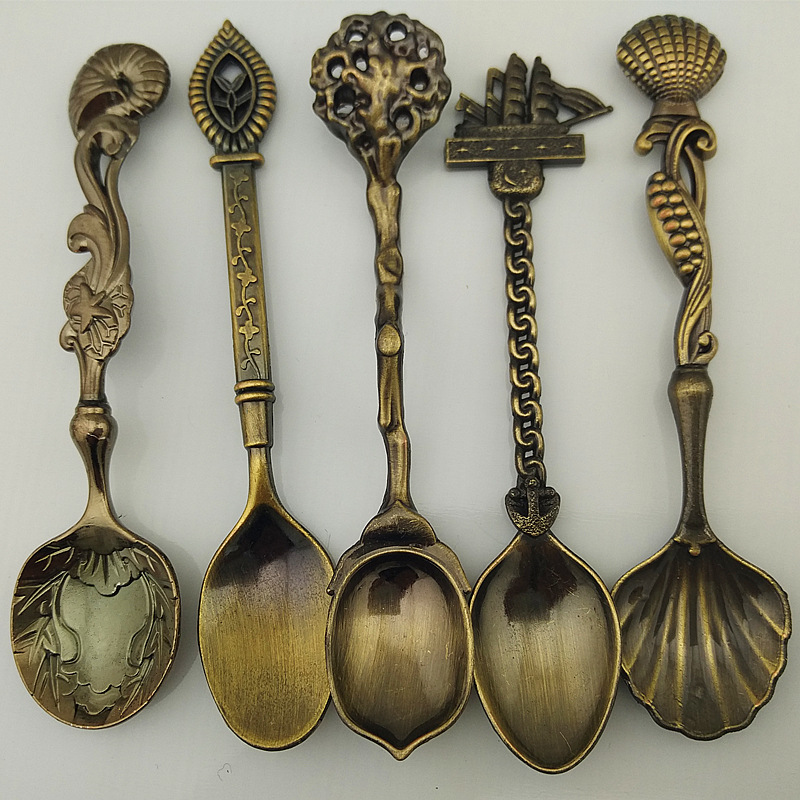
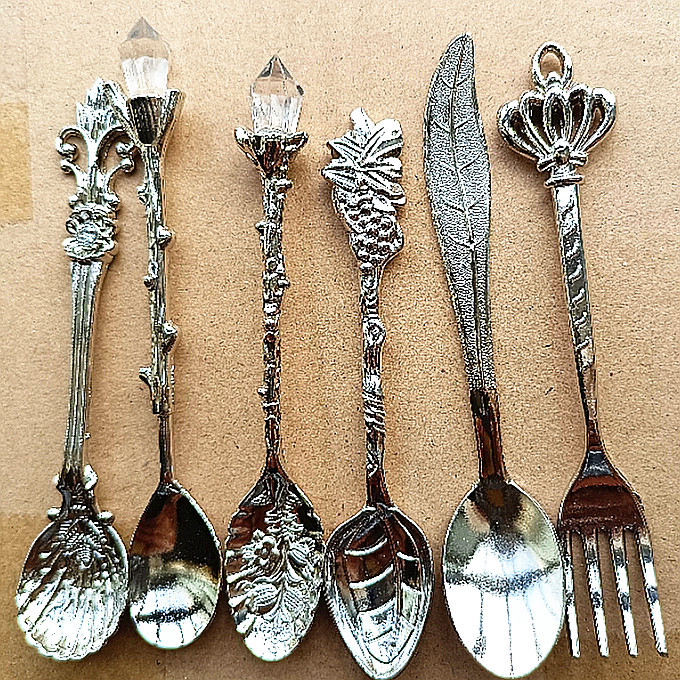
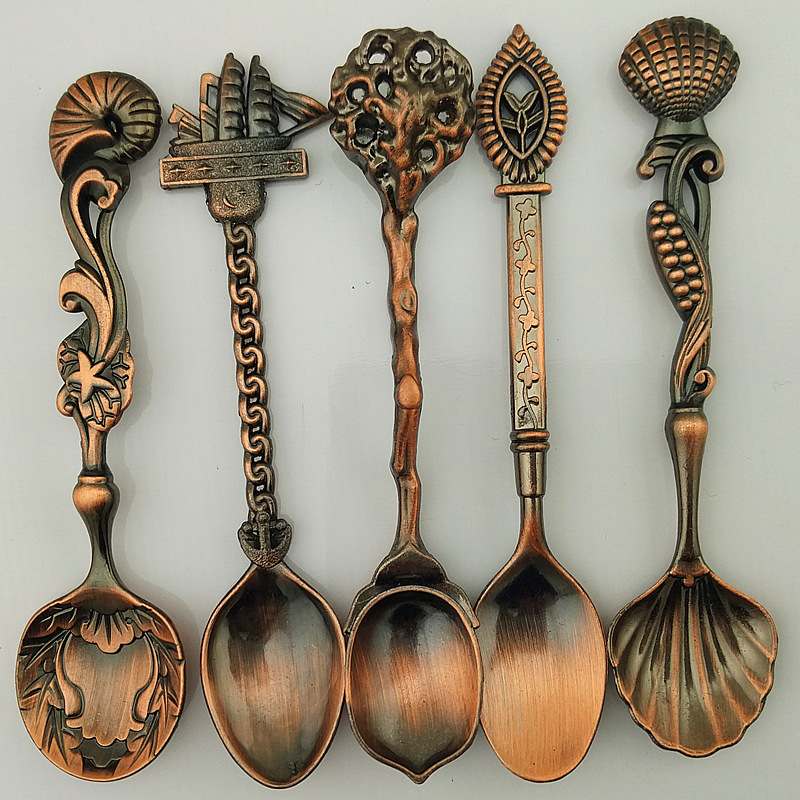
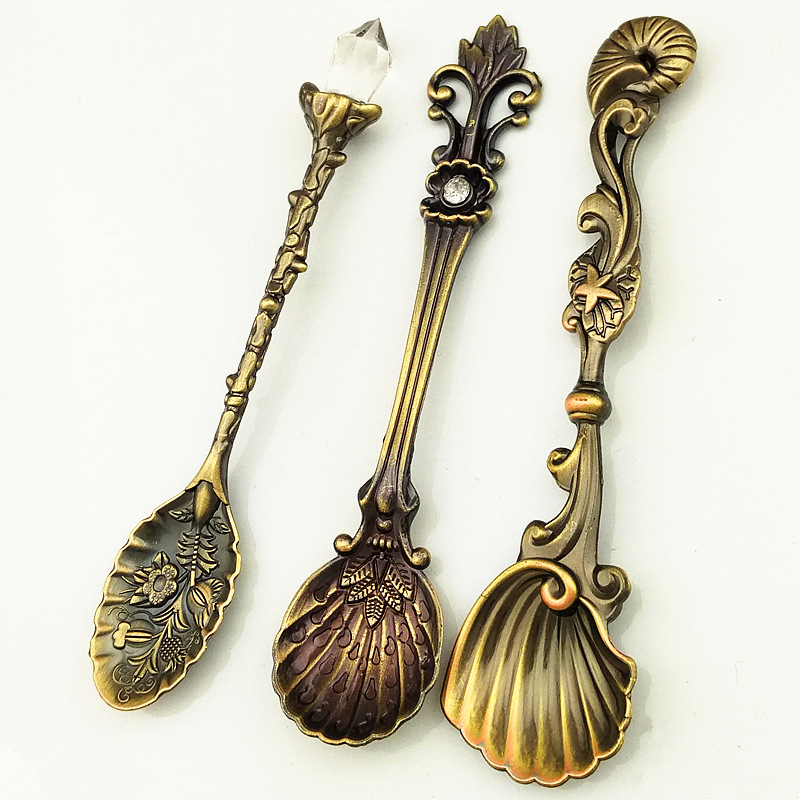
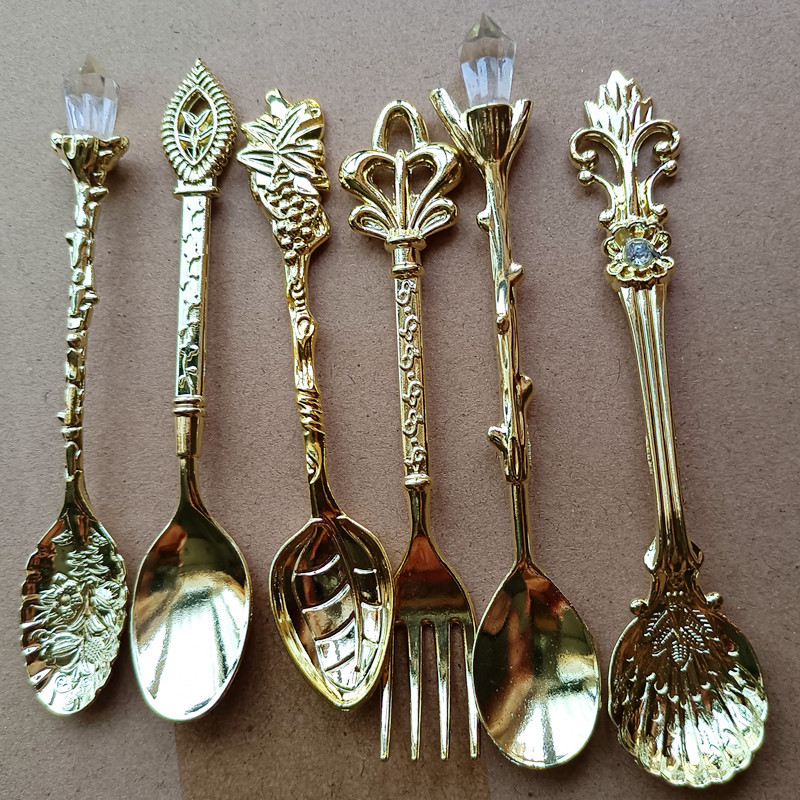
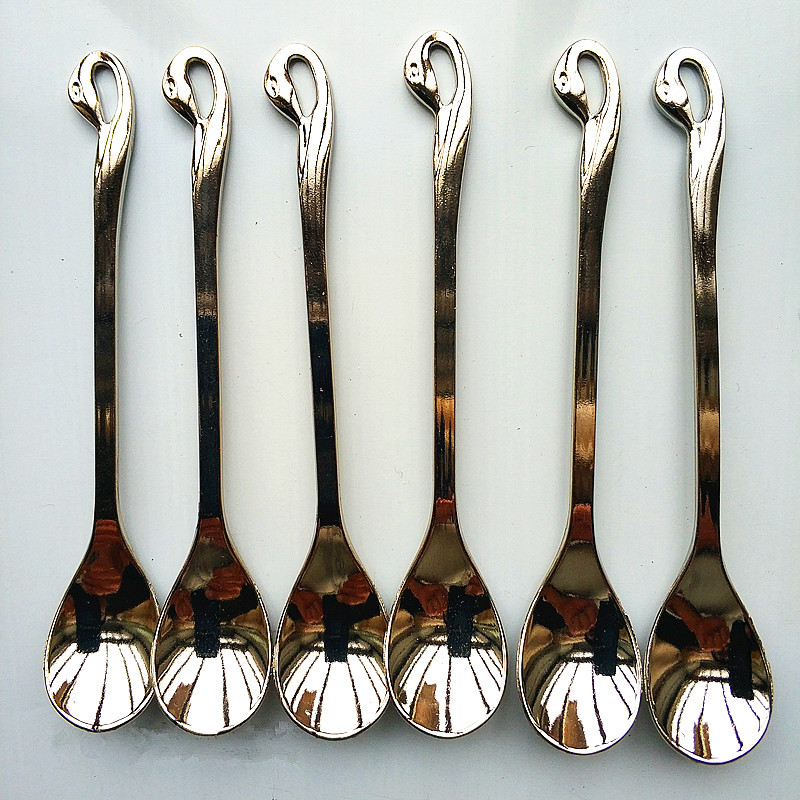
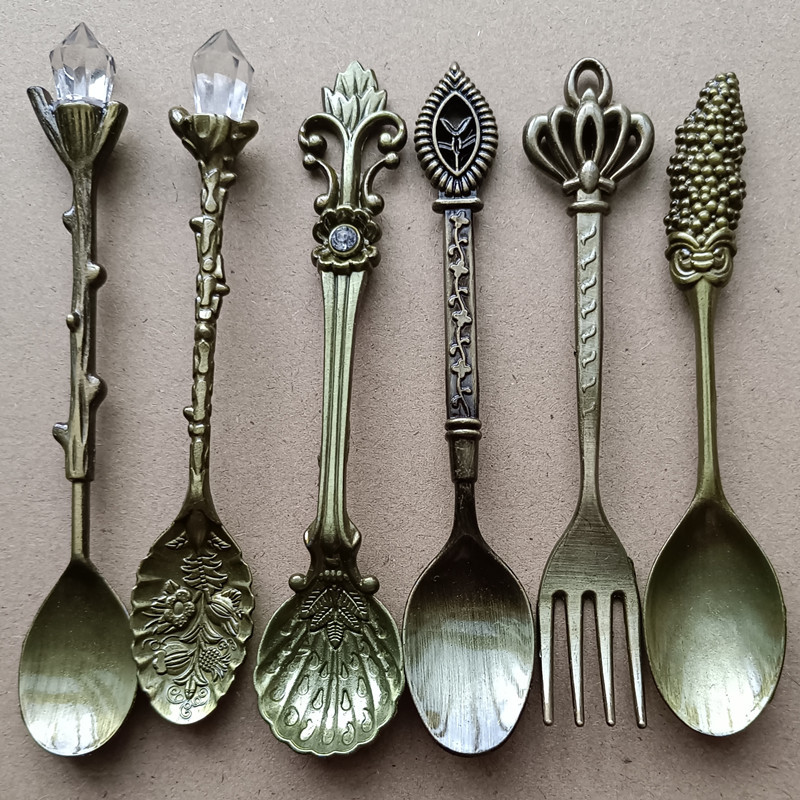
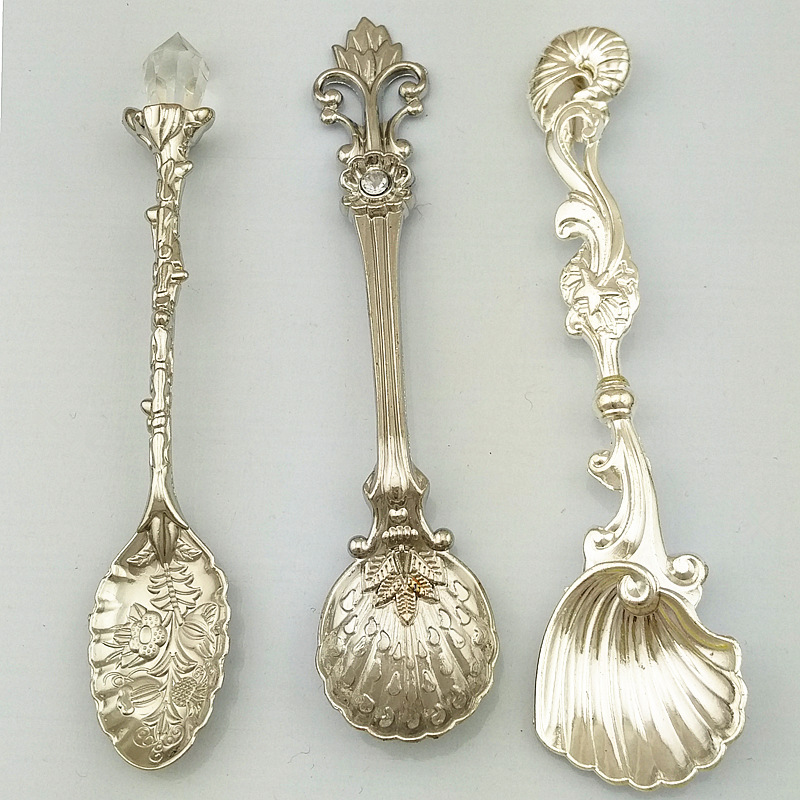
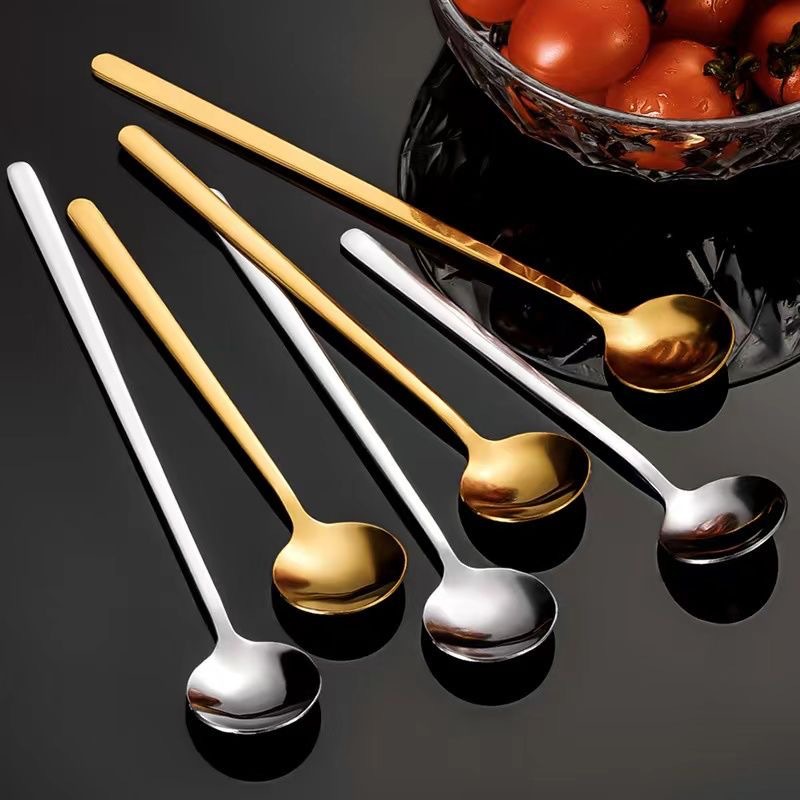
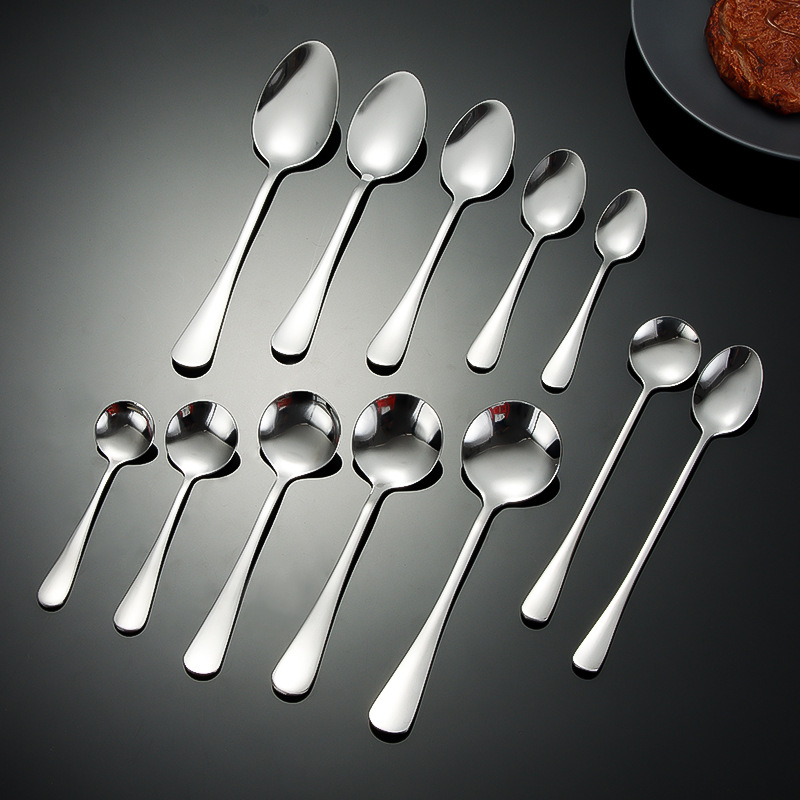
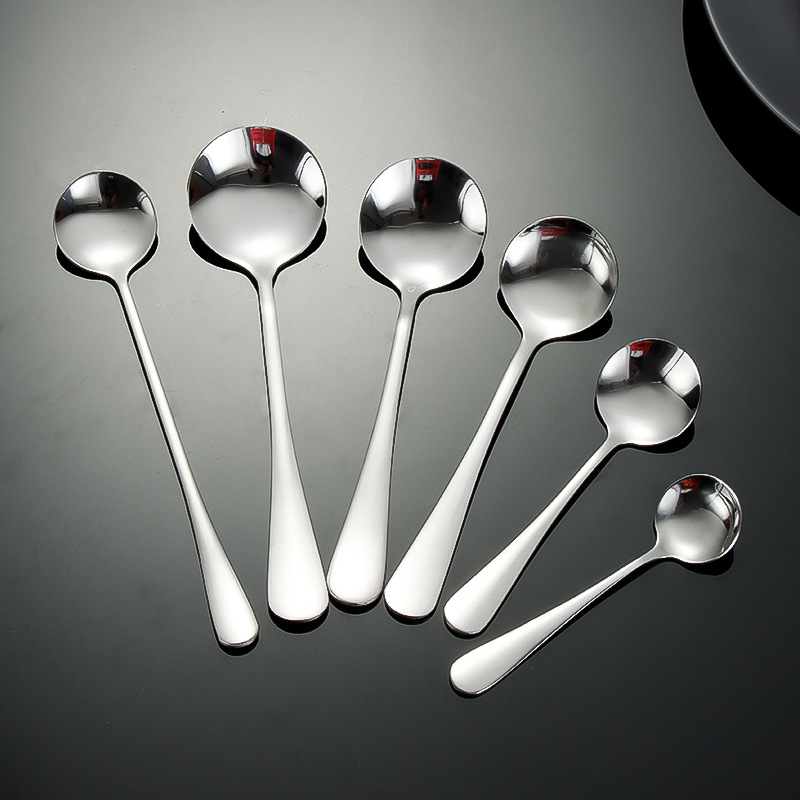
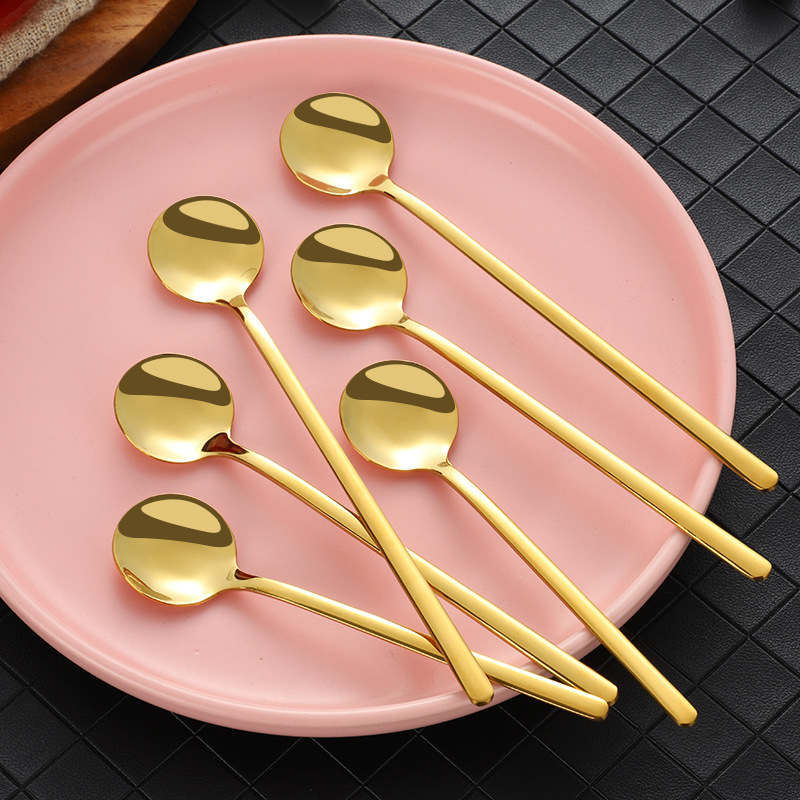
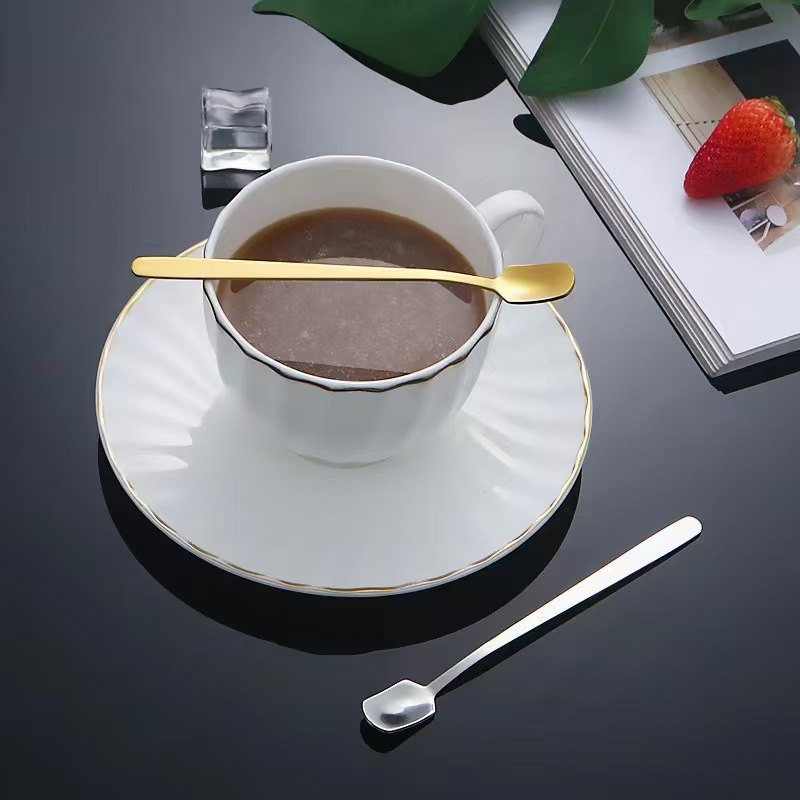
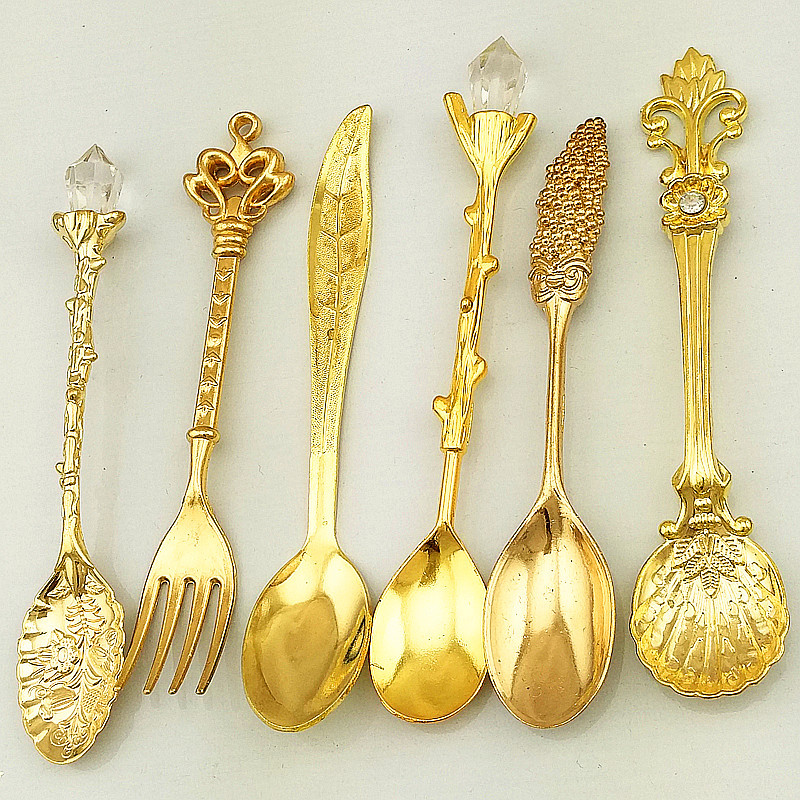
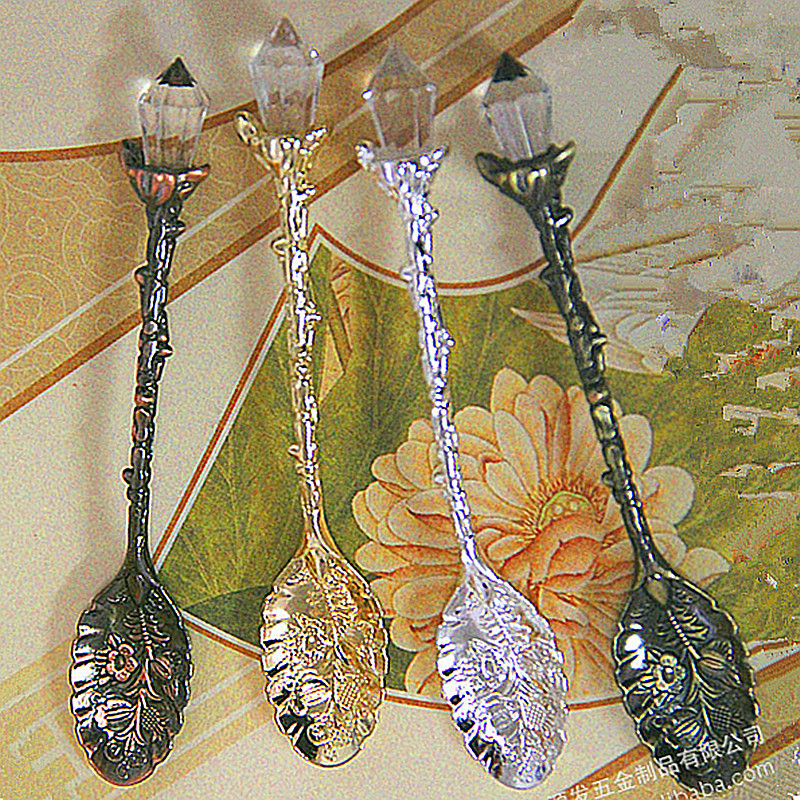
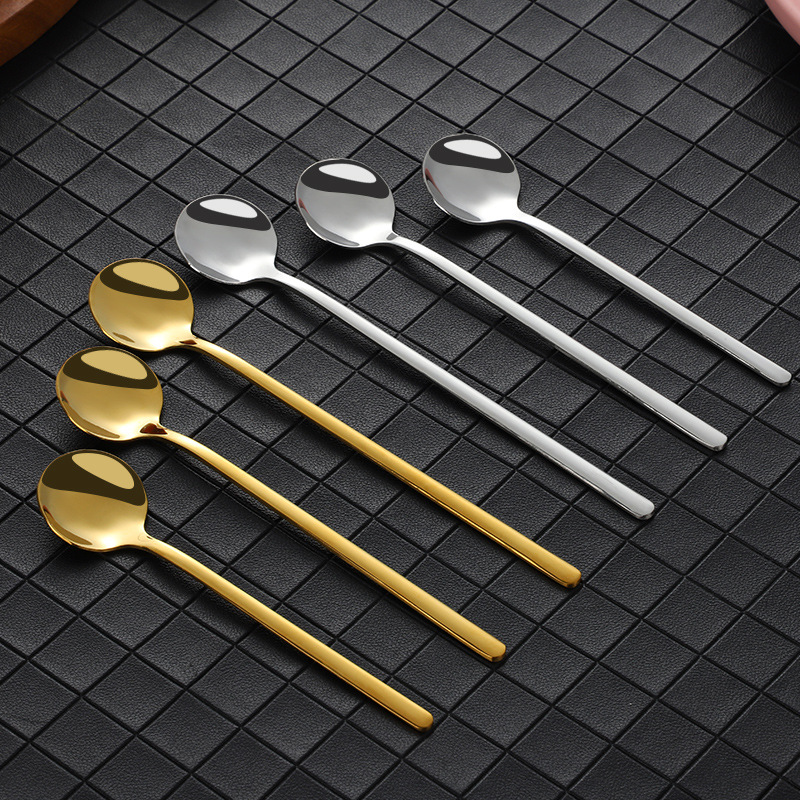
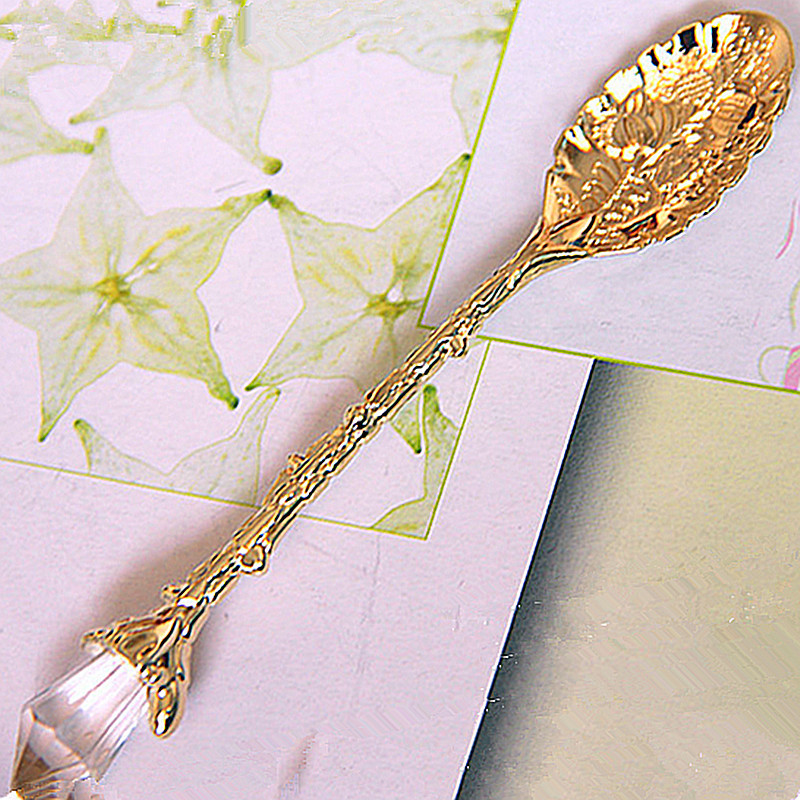
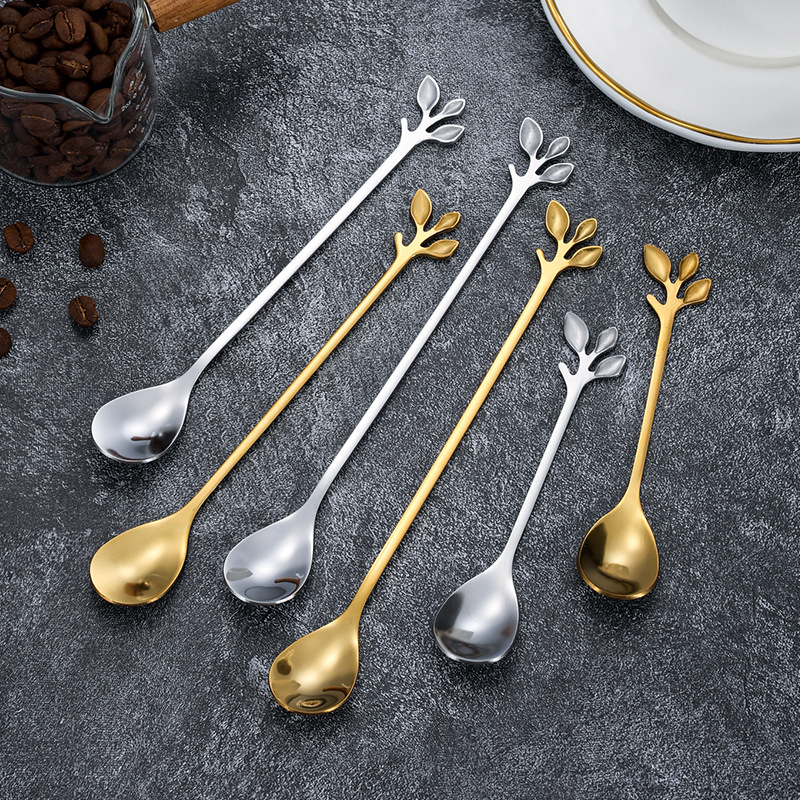
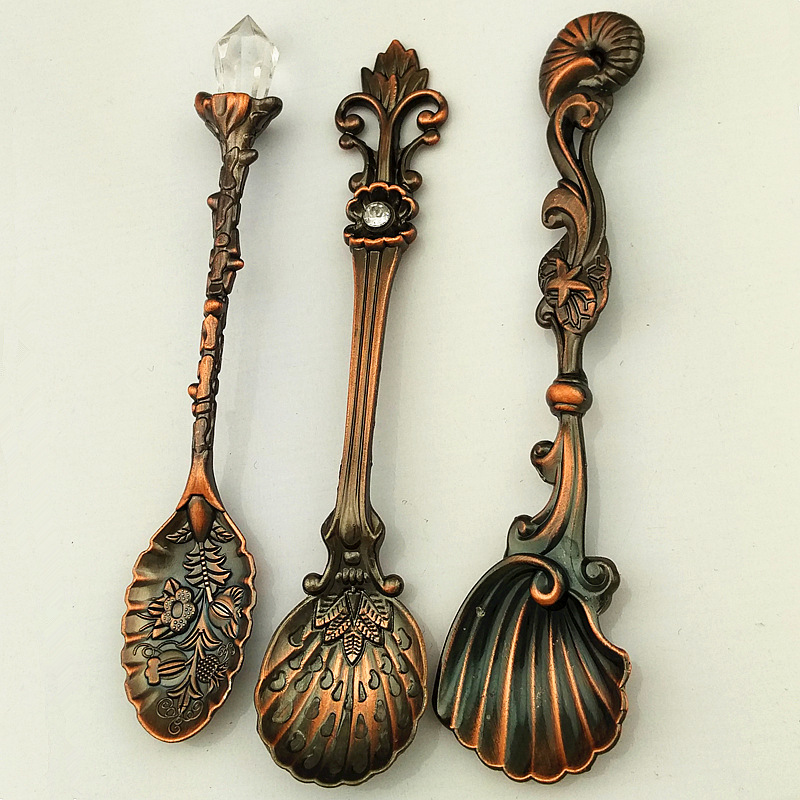
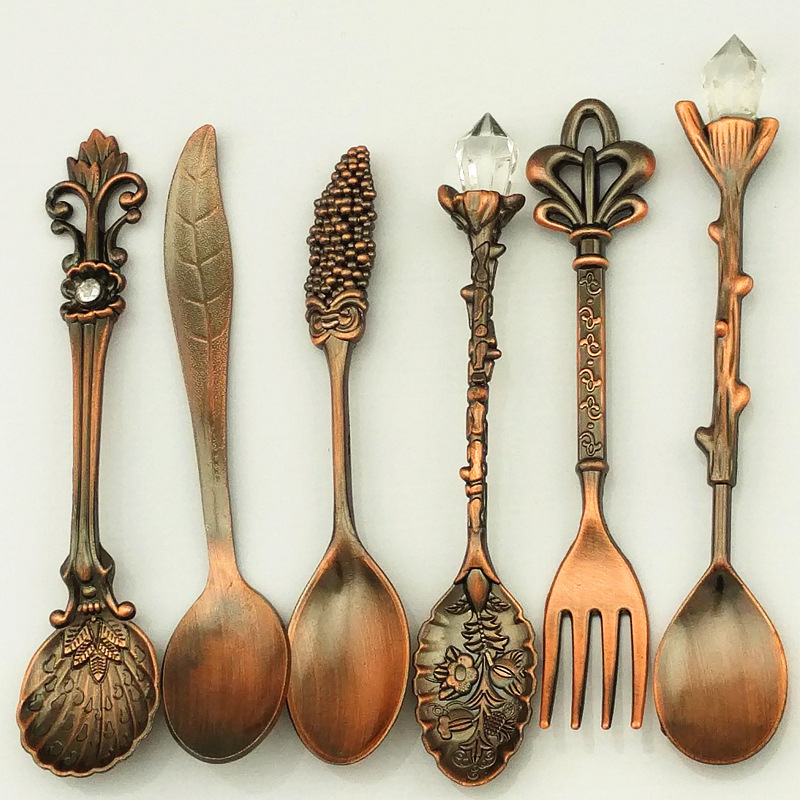
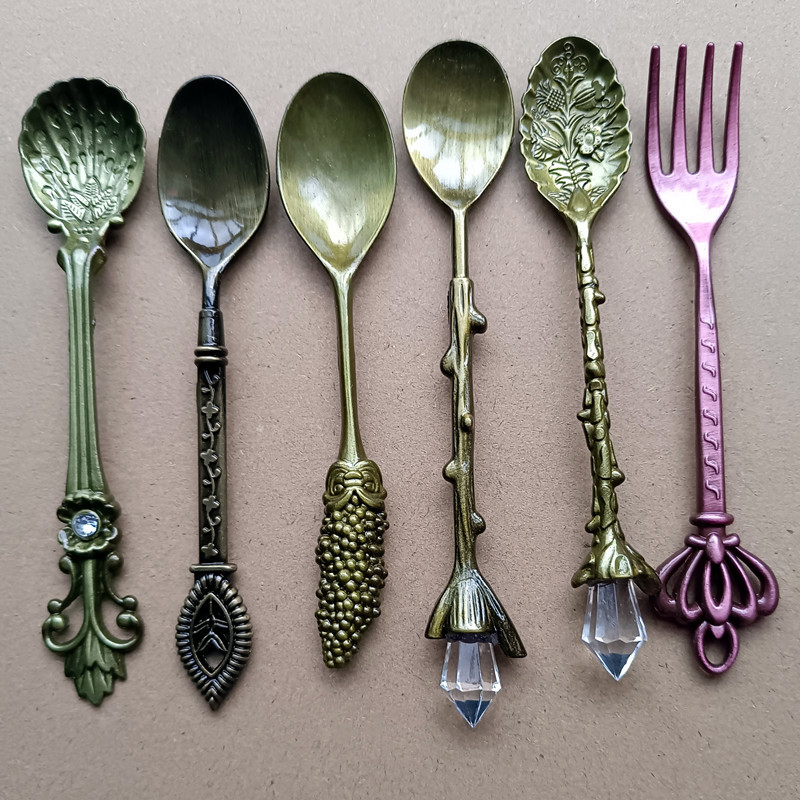
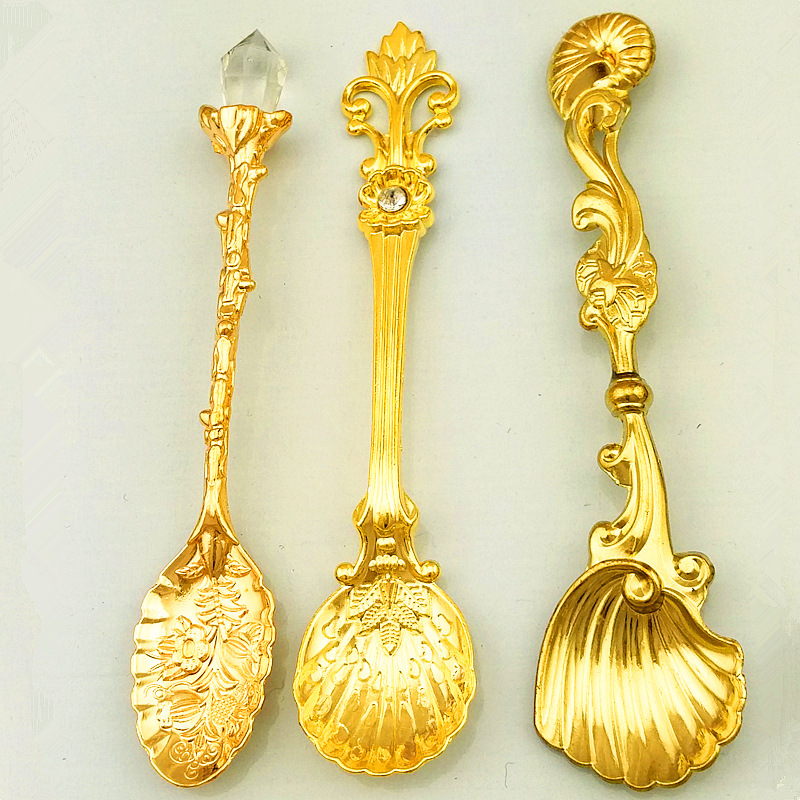
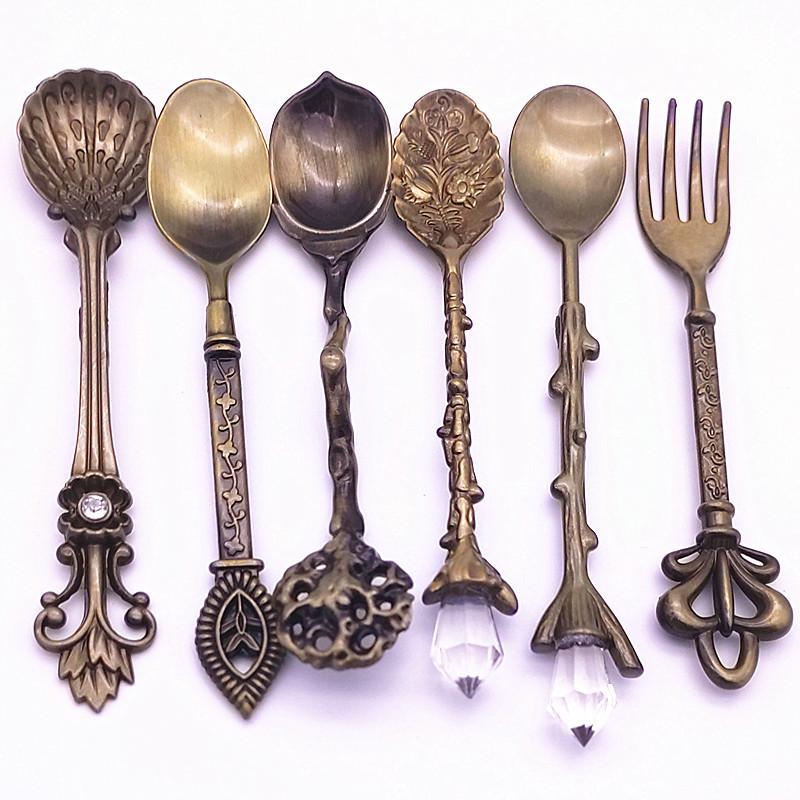
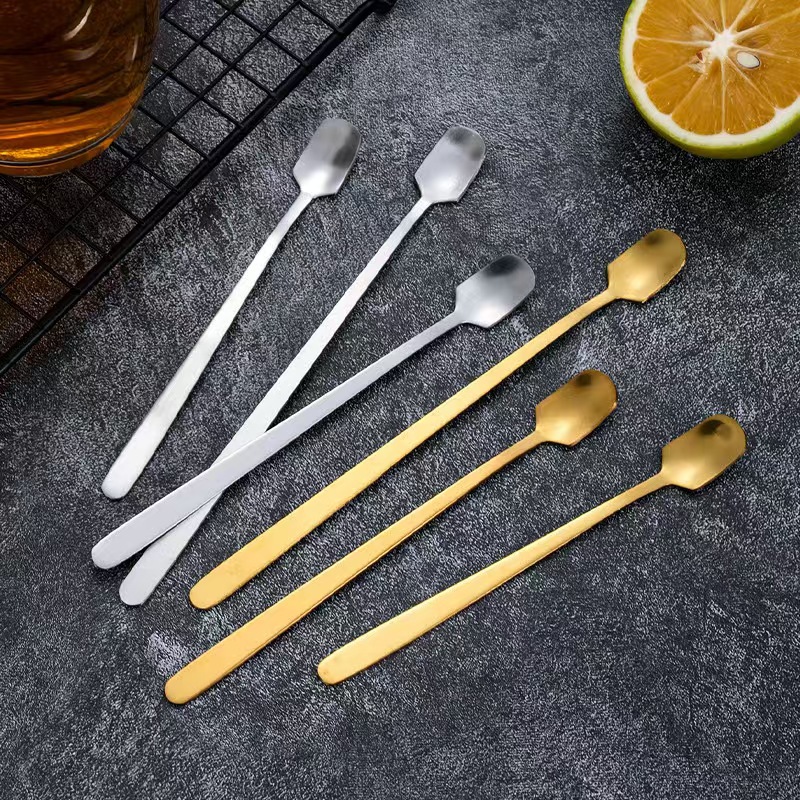
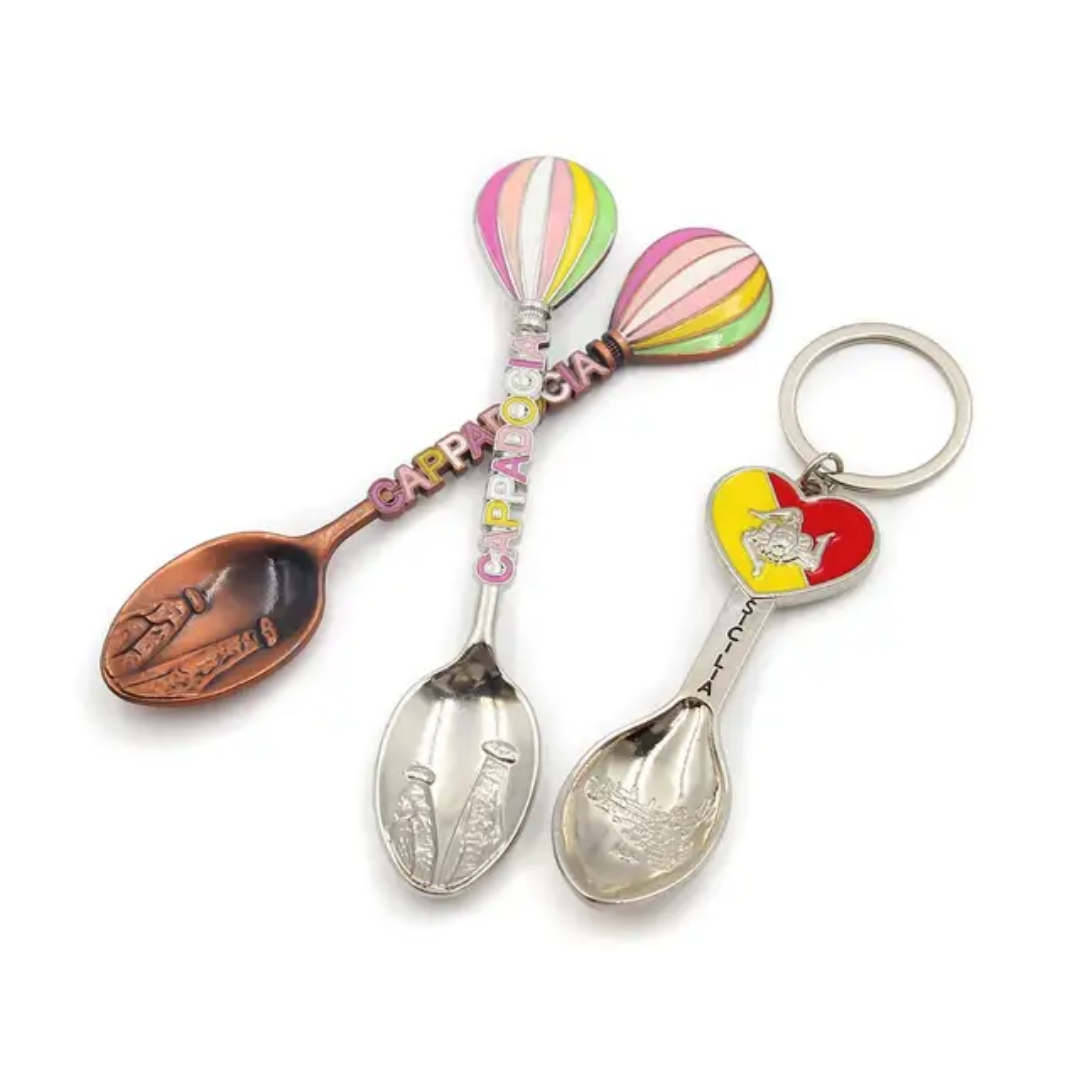
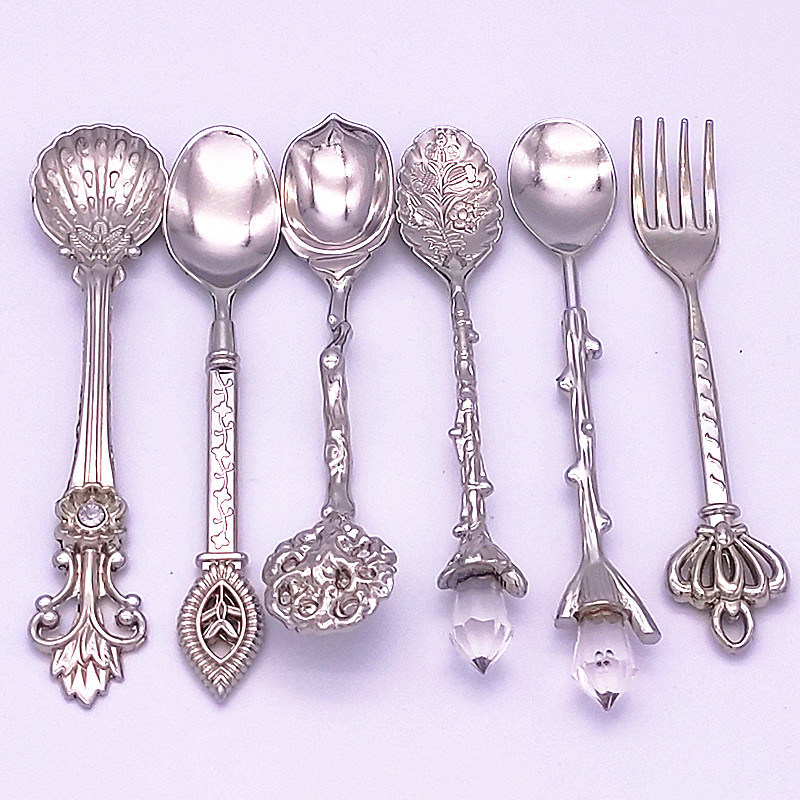
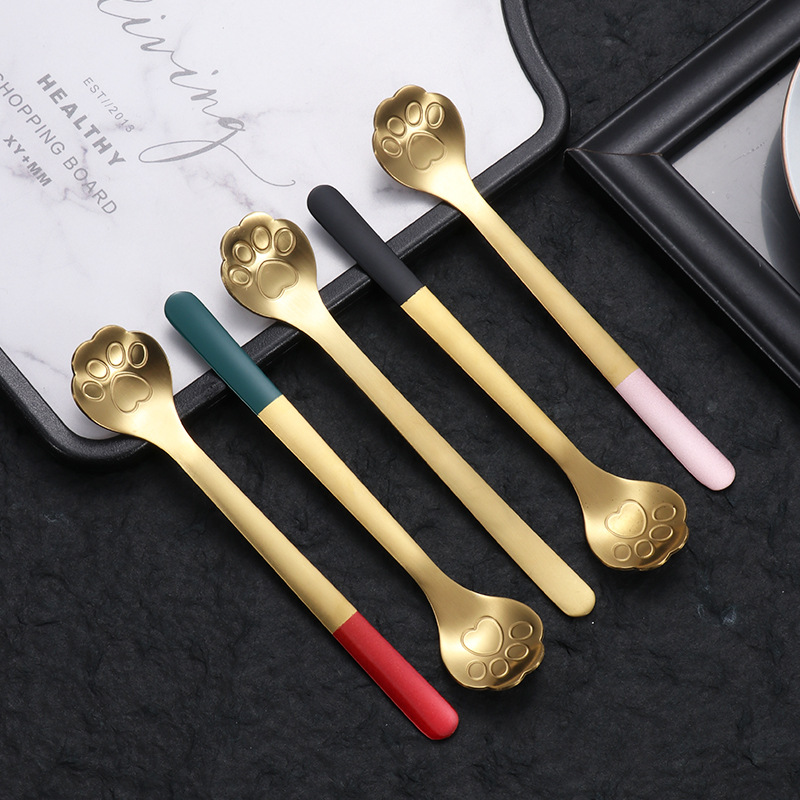
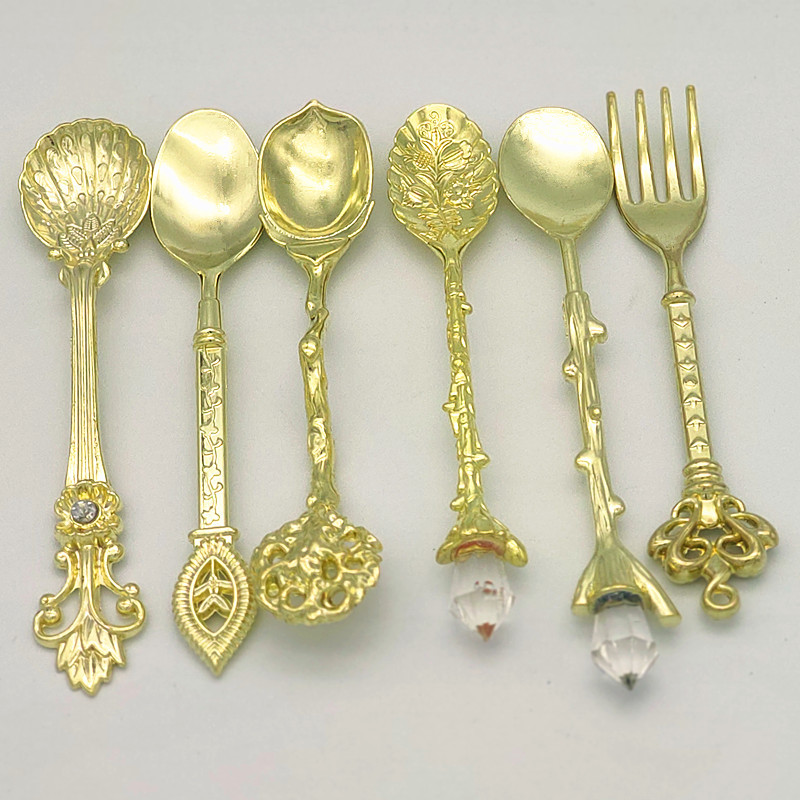
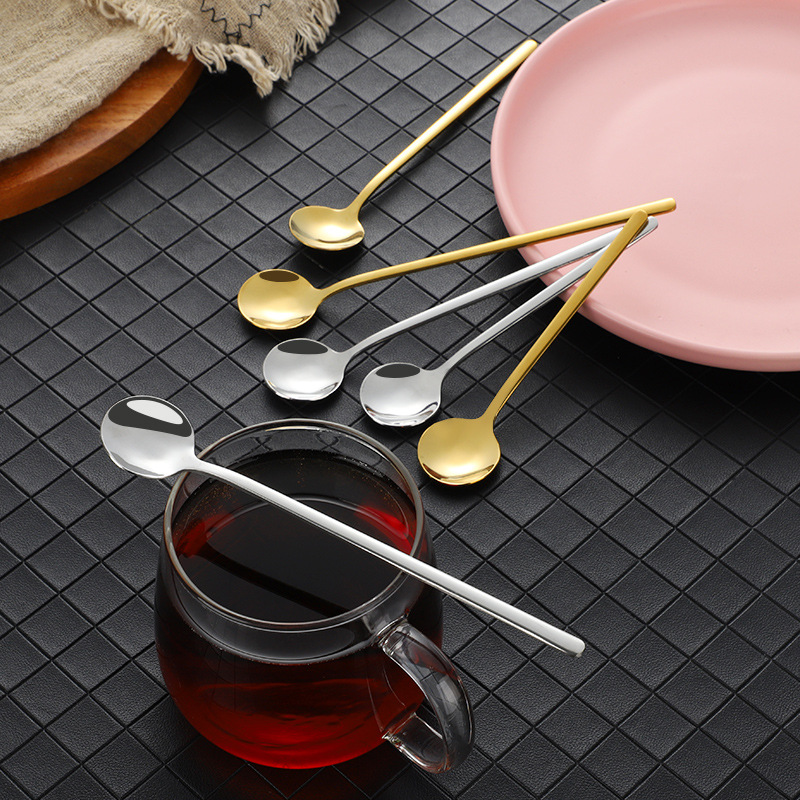
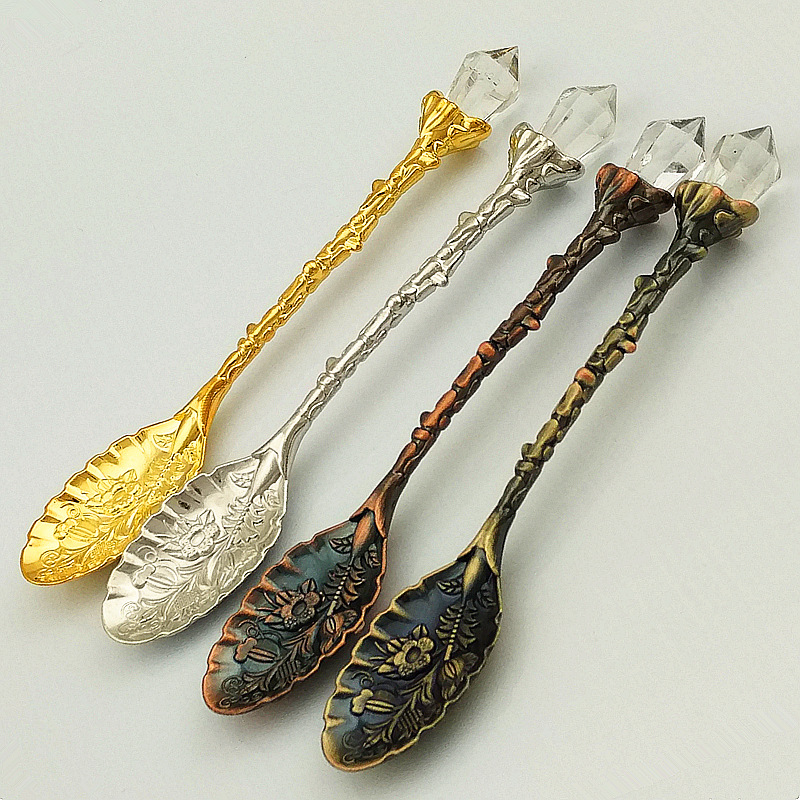
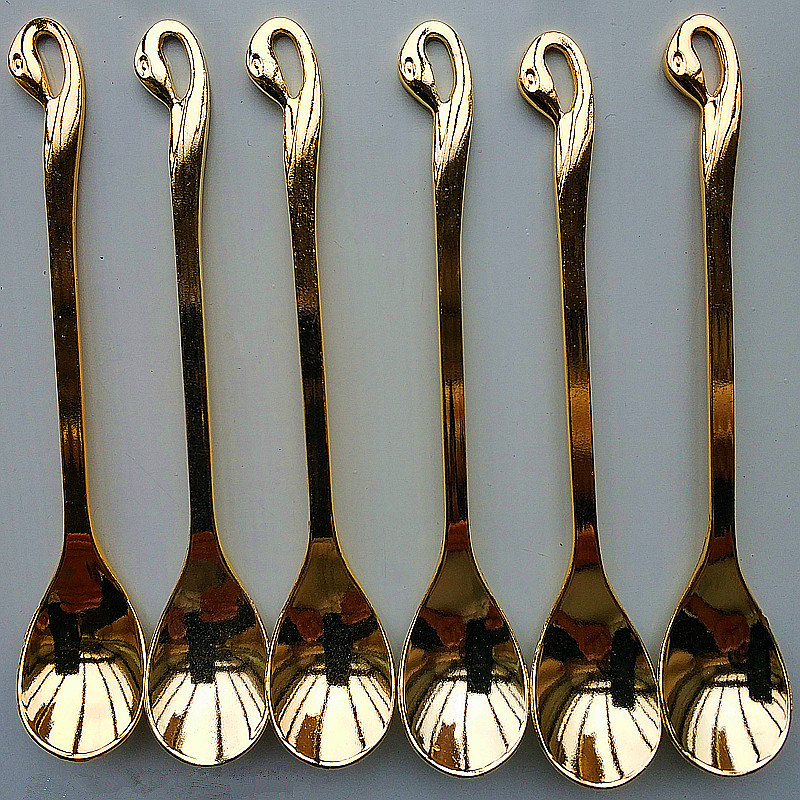
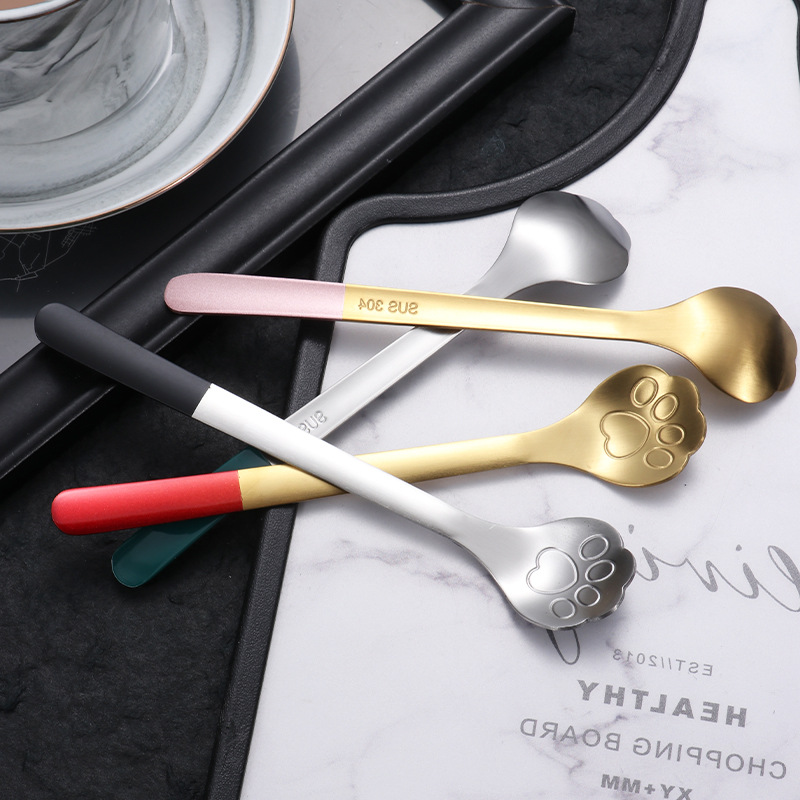
如今,咖啡勺早已超越了工具的属性,成为咖啡文化的重要载体。一把手工咖啡勺,不仅能让咖啡的香气在搅拌中愈发醇厚,更能让品饮者在使用的瞬间,感受到匠人匠心与咖啡文化的深度交融。它是咖啡桌上的小小风景,也是时光馈赠的珍贵礼物,在每一次与咖啡的相遇中,诉说着关于醇香、匠心与热爱的动人故事。
Aroma and Craftsmanship in a Coffee Spoon
The allure of coffee culture lies not only in the rich aroma in the cup, but also in every ritual-laden moment from grinding and brewing to sipping. And the coffee spoon, this seemingly insignificant little object, is the wonderful link connecting coffee flavors with human stories. It is both a practical tool for stirring coffee and a craft piece embodying the artisans’ ingenuity and the warmth of time, unfolding a unique splendor of the coffee world within its tiny frame.
The birth of the coffee spoon is closely tied to the spread of coffee culture. In 17th-century Europe, coffee was introduced from the Arab world and quickly became a favorite among the aristocracy. Initially, people used ordinary spoons to stir coffee, but found they were ill-suited to the size of coffee cups and often damaged the delicate milk foam on the surface. Thus, small spoons specially designed for coffee came into being. Early coffee spoons were mostly made of silver, carved with intricate patterns—they were not only practical utensils, but also symbols of their owners’ status and taste. In Vienna’s coffee houses, an exquisite silver coffee spoon paired with a bone china cup became the epitome of elegance and romance in European coffee culture.
As coffee culture gained popularity, coffee spoons gradually moved beyond the aristocratic ivory tower to become part of everyday life, with their materials and craftsmanship growing increasingly diverse. Wooden coffee spoons carry the natural warmth of the wood, each with unique grain patterns. They do not scratch the glaze of coffee cups when stirring, and can even exude a faint woody fragrance. Ceramic coffee spoons perfectly complement coffee cups, with glazes ranging from fresh and understated to bold and vibrant, resembling miniature works of art. Meanwhile, brass and red copper coffee spoons, polished and carved by skilled artisans, develop a unique patina over time, bearing the exclusive memories of their users.
In the world of coffee spoon craftsmanship, the most touching aspect is the dedication poured in by master craftsmen. In traditional Italian workshops, artisans use the lost-wax casting method to create copper coffee spoons, a painstaking process that takes a long time from mold-making to fine polishing. The patterns on the spoon handles—whether coffee tree branches and leaves, coffee bean outlines, or exotic geometric designs—are all carved by hand, one stroke at a time. In Japan, master craftsmen favor a minimalist style. They select high-quality beech wood and, through meticulous sanding, create coffee spoons with smooth, flowing lines and mirror-like surfaces. These spoons retain the natural texture of the wood while embodying the restraint and refinement of Japanese aesthetics.
Today, coffee spoons have long transcended their functional role to become important carriers of coffee culture. A handcrafted coffee spoon not only enhances the aroma of coffee as it stirs, but also allows the drinker to feel the deep integration of artisan craftsmanship and coffee culture in every use. It is a small but beautiful addition to the coffee table, and a precious gift from time itself. With every encounter with coffee, it tells a touching story of aroma, craftsmanship, and passion.